Formulation Review: Skin Barrier Repair and Oil Control Lotion
Question
Please help check this formula:
A
- Glycerin: 2.00%
- Propanediol: 1.00%
- Ceracare Liposome 3: 1.00%
B
- D.I. water: 40.00%
- Vitamin B5: 1.00%
- Disodium EDTA: 0.10%
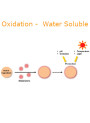
- ActiveProtec™ OX: 1.00%
C
- D.I. water: 20.00%
- Sebum-Reg™ (Capryloyl Glycine): 1.00%
D
- Hyaluronic complex: 5.00% (mix various size, dry weight approx. 0.25% of formula)
- Hydroalgae: 1.00%
- Stock Hi-LiconeA (10%): 1.00% (Pre-made stock solution with Butylene glycol; calculate the amount needed to get Hi-LiconeA (10%) equivalent to 0.1-0.2% of the formula)
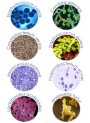
- Prebio-care (Skin Prebiotic): 3.00%
- Vitamin B3: 3.00%
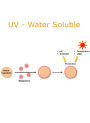
- ActiveProtec™ UV: 0.50%
- Portulaca Extract: 0.50%
- Allantoin: 0.20%
E
- Silk lotion maker: 1.00%
- Sucrose maker: 2.00%
- Hydrogenated Coco-Glycerides (34C): 1.00%
- Protect OX: 0.05%
- Protect UV: 0.05%
F
- Super fruit oil: 2.00% (Not from this supplier)
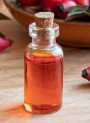
- Rose hip oil: 2.00%
- Squalane (natural): 1.00%
- Vitamin E acetate: 0.50%
G
- Xanthan gum: 0.5%
- My Preserv COS: 1.50%
Add water to 100% and adjust pH to approximately 5-6.
Answer
Ingredient Resolution & Classification
I have reviewed your formula and matched the ingredients with the MySkinRecipes catalog:
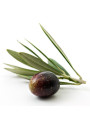
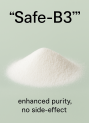
- Found: Glycerin, Propanediol, Ceracare™ Liposome-3, Panthenol (Vitamin B5), Disodium EDTA, ActiveProtec™ OX, Sebum-Reg™, Hyaluronic Acid (Standard Molecule), HydroAlgae™, Hi-LiconeA™, Prebio-care, Safe-B3™ (Vitamin B3), ActiveProtec™ UV, Portulaca Extract, Allantoin, Silk Lotion Maker, Sucrose Cream Maker™, Hydrogenated Coco-Glycerides (34C), Protec™ OX, Protec™ UV, Rosehip Oil, Squalane (Olive), Vitamin E (Tocopheryl Acetate), Xanthan Gum.
- Not Found: Super fruit oil (Replacement: Sea Buckthorn (Fruit) Oil (Virgin, CO2 Extraction). This is an excellent "super fruit" oil alternative, rich in vitamins and antioxidants, providing a similar high-nutrient profile for your oil phase).
Formula Review & Technical Recommendations
Your formula is well-designed, offering a comprehensive approach to skin barrier repair, oil control, and stability. However, there are critical technical steps required for these specific ingredients to work effectively:
1. Solubility & Preparation
- Sebum-Reg™ (Capryloyl Glycine): This ingredient has specific solubility requirements. In Part C, you must adjust the water pH to higher than 7 (using an alkalizer like Triethanolamine) to dissolve it completely. Once dissolved and mixed into the final formula, you should adjust the pH back down to 5.0–6.0, which is the range where it functions best.
- Hi-LiconeA™ (Licochalcone A): Your plan to create a 10% stock solution in Butylene Glycol is correct. This ingredient is not water-soluble but dissolves well in glycols. Using it at 1% of the stock (0.1% active) is the ideal rate for reducing oiliness and irritation.
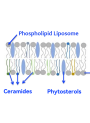
- Ceracare™ Liposome-3: Dispersing this in the Glycerin/Propanediol phase (Part A) with slight heat (approx. 50°C) will ensure the liposomes are well-distributed before adding to the water phase.
2. Temperature Management
- HydroAlgae™: This is highly heat-sensitive. Do not exceed 40°C. It must be added in Part D only after the emulsion has cooled down to room temperature to preserve its moisture-retaining properties.
- Emulsification (Part E & F): Since you are using Hydrogenated Coco-Glycerides and Sucrose Cream Maker™, you must heat both the water phase and the oil phase to 70–80°C to properly melt the waxes and form a stable emulsion. Silk Lotion Maker can be used in cold processes, but in this specific formula, heat is required for the other structural components.
3. Stability & pH
- pH Control: Your target pH of 5.0–6.0 is perfect. It ensures the stability of Vitamin B3 (preventing conversion to nicotinic acid), Vitamin B5, and the efficacy of Sebum-Reg™.
- Protection System: You have implemented a very robust protection system. The combination of ActiveProtec™ OX/UV (water-phase) and Protec™ OX/UV (oil-phase) will effectively prevent the natural oils (Rosehip, Squalane, and Sea Buckthorn) from oxidizing and protect the botanical extracts from UV degradation.
4. Texture & Consistency
- Xanthan Gum: At 0.5%, this will provide good stability to the emulsion and a smooth skin feel.
- Allantoin: 0.2% is a safe and effective level that will dissolve easily in the water phase.
Overall, this is a professional-grade formulation. The most critical steps for success are the pH-dependent dissolution of Sebum-Reg™ and ensuring HydroAlgae™ is added only when the mixture is cool.
Follow-up Replies
Question:
Please help check this formula:
A
- Glycerin: 2.00%
- Propanediol: 1.00%
- Ceracare Liposome 3: 1.00%
B
- D.I. water: 40.00%
- Vitamin B5: 1.00%
- Disodium EDTA: 0.10%
- ActiveProtec™ OX: 1.00%
C
- D.I. water: 20.00%
- Sebum-Reg™ (Capryloyl Glycine): 1.00%
D
- Hyaluronic complex: 5.00% (mix various size, dry weight approx. 0.25% of formula)
- Hydroalgae: 1.00%
- Stock Hi-LiconeA (10%): 1.00% (Pre-made stock solution with Butylene glycol; calculate the amount needed to get Hi-LiconeA (10%) equivalent to 0.1-0.2% of the formula)
- Prebio-care (Skin Prebiotic): 3.00%
- Vitamin B3: 3.00%
- ActiveProtec™ UV: 0.50%
- Portulaca Extract: 0.50%
- Allantoin: 0.20%
E
- Silk lotion maker: 1.00%
- Sucrose maker: 2.00%
- Hydrogenated Coco-Glycerides (34C): 1.00%
- Protect OX: 0.05%
- Protect UV: 0.05%
F
- Super fruit oil: 2.00%
- Rose hip oil: 2.00%
- Squalane (natural): 1.00%
- Vitamin E acetate: 0.50%
G
- Xanthan gum: 0.5%
- My Preserv COS: 1.50%
Add water to 100% and adjust pH to approximately 5-6.
I have additional questions:
- If the formula is too liquid to the point where it "shoots" out of the pump, which chemicals can help increase viscosity while adding a bit of a "heavy" feel? I've tried adding Xanthan Gum at 0.5% to 1%, but it didn't solve the problem. How can I fix this?
- Does pre-mixing an active ingredient with certain glycols before adding it to the main formula help with absorption? For example, if I mix Ceracare Liposome 3 with Propylene Glycol first before adding it to the water phase, will it improve the absorption of Ceracare Liposome 3, or is it the same as adding them separately to the water phase?
Answer:
1. Solving the "Shooting Pump" and Texture Issue
The reason increasing Xanthan Gum (even up to 1%) doesn't solve the "shooting" issue is that Xanthan Gum only increases the viscosity of the water phase, creating a "shear-thinning" or "stringy" texture. It does not provide the structural "body" or "heaviness" required to make a stable, creamy emulsion that stays together when pumped.
To add "heaviness" and create a more controlled, professional cream texture, you should add Fatty Alcohols to your oil phase (Part E):
- Cetyl Alcohol: Adds body and a smooth, creamy feel without being overly greasy.
- Cetearyl Alcohol: Provides more "heaviness" and a stronger skin-coating (occlusive) feel than Cetyl Alcohol.
- Behenyl Alcohol: Offers a very stable, elegant thickness with a matte finish.
Recommendation: Add 1.0% – 2.0% of either Cetyl Alcohol or Cetearyl Alcohol into Part E. You must heat this phase to 70–80°C to melt them. This will transform your liquid lotion into a structured cream that won't "shoot" out of the pump.
2. Pre-mixing Actives with Glycols (Ceracare™ Liposome-3)
Regarding your question about pre-mixing with Propylene Glycol or other glycols:
- Dispersion vs. Absorption: For Ceracare™ Liposome-3, pre-mixing it with a glycol (like Glycerin or Propylene Glycol) and heating it to above 50°C is primarily for Dispersion. It ensures the liposomes are evenly distributed and do not clump together when added to the main water phase.
- Efficacy: While the liposome itself is already a delivery system designed for high bioavailability, ensuring it is perfectly dispersed is the technically correct way to maximize its efficacy.
- Absorption: Glycols like Propylene Glycol do act as penetration enhancers for many active ingredients. While it won't fundamentally change how the liposome itself works, having glycols in the formula generally aids the overall penetration of the various actives in your recipe.
Conclusion: You should continue pre-mixing Ceracare™ Liposome-3 in the glycol phase with slight heat as you planned; it is the best practice for a stable and effective formula.
Related Products Mentioned
Vitamin E (Tocopheryl Acetate)

Allantoin
Squalane (Olive)
Glycerin (USP/Food Grade)
Disodium EDTA



Sebum-Reg™ (Capryloyl Glycine)
Prebio-care (Skin Prebiotic)

Silk Lotion Maker
ActiveProtec™ UV
ActiveProtec™ OX

Portulaca Extract (Red/Yellow Liquid)
Safe-B3™ (Vitamin B3, Niacinamide)
Rosehip Oil (Virgin, Fresh)

HydroAlgae™

HyaCap™ Hyaluronic Acid Standard
Propylene Glycol (USP)
Cetyl Alcohol
Cetearyl Alcohol (50/50, e.q. Lanette O)