Formulation Review: Skin Whitening and Brightening Cream
Question
I would like to request a review of my formulation for a skin whitening and brightening cream. My formula includes the following ingredients and percentages:
- Water: 72.3%
- Disodium EDTA: 0.2%
- Alpha Arbutin: 2%
- Lemon Peel Bioferment: 2%
- Vitamin B3 (Niacinamide): 4%
- Aloe Vera Extract: 3%
- Centella Asiatica Extract (Madecassoside): 5%
- Sweet Almond Oil: 5%
- Coenzyme Q10: 4%
- Light Cream Maker: 1.5%
- Phenoxyethanol: 1%
My mixing method involves separating the water and oil phases and then combining them. I would appreciate feedback on the ingredient choices, percentages, mixing steps, and any potential issues or recommendations for improvement.
Answer
Formula Review: Skin Whitening and Brightening Cream
Thank you for sharing your formula. Based on the ingredients and mixing method you provided, along with the staff's feedback, here is a review and some additional recommendations:
Overall Assessment: The formula contains several excellent active ingredients known for their skin whitening, brightening, and conditioning properties. The basic approach of separating water and oil phases is a standard method for creating emulsions.
Staff Feedback: The staff's comment regarding the addition of Phenoxyethanol at the end of the process is correct. Preservatives are typically added during the cool-down phase of an emulsion.
Specific Ingredient Notes & Recommendations:
- Alpha Arbutin (2%): This is a good concentration for skin brightening. Ensure the final formula pH is between 3.5-6.5 for optimal stability and efficacy. Add this ingredient during the cool-down phase below 30°C. Consider incorporating
ActiveProtecTM OXat 0.6% into the water phase to help prevent potential discoloration of the formula over time. - Lemon Peel Bioferment (2%): This concentration is within the recommended range and provides tyrosinase inhibition and antioxidant benefits. Add this ingredient during the cool-down phase below 40°C.
- Vitamin B3 (Niacinamide) (4%): This is a beneficial concentration for addressing hyperpigmentation, strengthening the skin barrier, and reducing oiliness. The optimal pH range for Niacinamide is typically 4.0-7.0.
- Aloe Vera Extract (3%): A good addition for soothing and moisturizing the skin.
- Centella Asiatica Extract (Madecassoside) (5%): The percentage used (5%) is significantly higher than the typical recommended usage rate (0.1-2%) for high-purity Madecassoside extracts like
Centella Asiatica Extract (Madecassoside 90%). Using a higher percentage might not necessarily increase efficacy and could potentially affect the formula's stability or the ingredient's solubility (it dissolves in water up to ~1%). It is recommended to review the suggested usage rate for the specific Centella product you are using or consider reducing the percentage to within the commonly recommended range (e.g., 1-2%). Add this ingredient during the cool-down phase, ideally below 40°C, and ensure the final pH is between 4-6.5. - Coenzyme Q10 (4%): The percentage used (4%) is considerably higher than the recommended usage rate (0.01-0.5%) for oil-soluble
Coenzyme Q10 (98%, Powder, Oil-Soluble). Using such a high concentration is likely unnecessary for efficacy and could lead to formulation challenges (e.g., solubility, crystallization). It is strongly recommended to reduce the percentage to within the recommended range (e.g., 0.5%). If using the oil-soluble powder, ensure it is fully dissolved in the oil phase before emulsification and add it during the cool-down phase below 60°C. Alternatively, consider if a water-soluble form of CoQ10 might be more suitable for your desired product characteristics, although the usage rate would still need to be checked. - Sweet Almond Oil (5%): A standard emollient for the oil phase.
- Light Cream Maker (1.5%): The specific type of emulsifier used is crucial. Different emulsifiers have different requirements for heating temperature, mixing speed, and the order of phase addition. Ensure the chosen cream maker is compatible with your ingredients and intended process.
- Disodium EDTA (0.2%): This is a good concentration for chelating metal ions in the water, which helps improve formula stability. It is best practice to add Disodium EDTA to the water phase before adding other water-soluble ingredients to ensure it can effectively bind to any metal ions present.
- Phenoxyethanol (1%): This is a common and effective preservative level. As the staff noted, add this during the cool-down phase, typically below 40°C. Note that Phenoxyethanol alone may not provide complete broad-spectrum coverage against all types of microbes, particularly fungi. Depending on your formula and desired shelf life, you might consider using a co-preservative or a broad-spectrum preservative blend if needed.
- Water (72.3%): The percentages in your formula sum to 99.5%. Adjust the water percentage to 72.8% to reach a total of 100%.
- Alpha Arbutin (2%): This is a good concentration for skin brightening. Ensure the final formula pH is between 3.5-6.5 for optimal stability and efficacy. Add this ingredient during the cool-down phase below 30°C. Consider incorporating
Mixing Method Recommendations:
- Temperature Control: The provided mixing method does not mention heating or cooling, which are essential steps for creating a stable emulsion. Typically, the water and oil phases are heated separately to a specific temperature (determined by the emulsifier) before combining them. After emulsification, the mixture is cooled while stirring. Heat-sensitive ingredients (Alpha Arbutin, Lemon Peel Bioferment, Centella Asiatica Extract, Coenzyme Q10) must be added during this cool-down phase below their maximum temperature limits (30-60°C).
- Phase Addition Order: While adding the water phase to the oil phase can work with some emulsifiers, adding the oil phase to the water phase is a more common method for creating stable oil-in-water (O/W) emulsions (light creams) and might be recommended depending on your specific cream maker.
- Disodium EDTA: Add to the water phase before other water-soluble ingredients.
- Phenoxyethanol: Add during the cool-down phase.
- pH Adjustment: After the cream has cooled and all ingredients are added, check the final pH and adjust it to the optimal range (e.g., 4.0-6.5) for ingredient stability and skin compatibility using a dilute acid (like citric acid solution) or base (like sodium hydroxide solution) if necessary.
Stability and Preservation Testing: It is highly recommended to perform stability testing (e.g., exposing the product to different temperatures or temperature cycles) to ensure the cream remains stable over time. Additionally, a challenge test should be conducted to confirm that your preservative system is effective in preventing microbial growth throughout the product's intended shelf life.
By adjusting the percentages of Centella Asiatica Extract and Coenzyme Q10 to their recommended usage rates and incorporating proper temperature control and phase addition order based on your specific cream maker, you can improve the stability and efficacy of your formula.
Related Products Mentioned
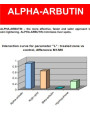
Alpha Arbutin (Switzerland)
Safe-B3™ (Vitamin B3, Niacinamide)
Phenoxyethanol (Extra Pure)
Disodium EDTA
Lemon Peel Bioferment (Lemon Skin™)