Formulation Review: Water-Based Anti-Aging Serum & Anti-Aging Cream
Question
I am seeking an expert review for two cosmetic formulations I have developed: a Water-Based Anti-Aging Serum and an Anti-Aging Cream. For both formulations, I need an assessment of their stability, feasibility, efficacy, rheology, and solubility steps and tips. Please also advise if any other ingredients are needed.
Here are the detailed formulations:
1. Water-Based Anti-Aging Serum
- (Hydration, soothing, antioxidant boost)*
Total batch: 50 g
Phase A – Water Base (Room Temp)
- Distilled Water – q.s. to 100% (≈ 33.75 g after other additions)
Galactomyces Ferment– 5% → 2.50 gCentella Asiatica Extract– 1% → 0.50 gEctoine– 2% → 1.00 gSodium PCA 50%– 2% → 1.00 gDipotassium Glycyrrhizate– 0.5% → 0.25 gMYFerment™ Balance– 3% → 1.50 gPure-Oryzanol™– 0.5% → 0.25 g
Phase B – Cool-down
SOD-Wasabi™– 3% → 1.50 gUme Extract– 2% → 1.00 gAcetyl Zingerone– 0.5% → 0.25 g- Preservative – per supplier (≈0.5–1%)
pH adjuster: Sodium Citrate or Citric Acid to pH 5.0–5.5
Stability & Notes:
- Fully water-based → stable with cool processing.
- Antioxidant + calming actives for post-exfoliation or daily AM use.
2. Anti-Aging Cream
- (Wrinkles, Elasticity, Pores)*
- (Barrier-support + high-performance DNA & peptide actives)*
Total batch: 100 g
Phase A – Water Phase (Heat to ~75°C)
- Distilled Water – q.s. to 100% (≈ 34.50 g after other additions)
GABA (Gamma Aminobutyric Acid)– 1% → 1.00 gAlpha-Ketoglutarate– 1% → 1.00 g
Phase B – Oil Phase (~75°C)
Squalane– 5% → 5.00 gCetearyl Olivate + Sorbitan Olivate (Olivem 1000)– 4% → 4.00 gCaprylic/Capric Glycerides– 3% → 3.00 gCocoSilk™– 2% → 2.00 g
Phase C – Cool-down (<40°C)
HRC-4000™– 10% → 10.00 gSalmon DNA (PDRN stock)– 10% → 10.00 gPure-Adenosine™– 0.5% → 0.50 gAcetyl Zingerone– 1% → 1.00 gCentella Asiatica Extract– 1% → 1.00 gUme Extract– 2% → 2.00 g
Preservative – per supplier (≈0.5–1%)
pH adjuster: Sodium Citrate or Citric Acid to pH 5.0–5.5
Answer
We've reviewed your proposed formulations for the Water-Based Anti-Aging Serum and the Anti-Aging Cream. Here's a detailed analysis regarding stability, feasibility, efficacy, rheology, and solubility, along with our recommendations:
1. Water-Based Anti-Aging Serum
Stability & Feasibility:
- Galactomyces Ferment, Centella Asiatica Extract, Ectoine, Sodium PCA 50%, Dipotassium Glycyrrhizate, MYFerment™ Balance, SOD-Wasabi™, Ume Extract: These ingredients are generally compatible with your proposed water-based, room temperature/cool-down processing. Their solubility in water and temperature sensitivities align with your plan.
- Pure-Oryzanol™: This is the primary concern for this formulation. Our Pure-Oryzanol™ is oil-soluble and will not dissolve in a water-based serum. This will lead to instability, cloudiness, and potential separation.
- Acetyl Zingerone: The specific product description for Acetyl Zingerone is not available in our database, so its solubility and stability in this context cannot be fully confirmed.
Efficacy:
- The combination of Galactomyces Ferment, Centella Asiatica Extract, Ectoine, Sodium PCA, Dipotassium Glycyrrhizate, MYFerment™ Balance, SOD-Wasabi™, and Ume Extract provides a strong blend of hydrating, soothing, and antioxidant properties, aligning well with your serum's goals.
Rheology & Solubility Tips:
- Pure-Oryzanol™: We recommend replacing Pure-Oryzanol™ with a water-soluble antioxidant to maintain the clear, water-based nature of your serum. Alternatively, if Pure-Oryzanol™ is essential, you would need to incorporate a suitable solubilizer (e.g., PEG-40 Hydrogenated Castor Oil, Polysorbate 20) in Phase A. This may affect the clarity of the serum.
- Dipotassium Glycyrrhizate: Be aware that Dipotassium Glycyrrhizate has a mild electrolyte nature and may cause the formula to become slightly less viscous. If a thicker serum is desired, consider adding a water-soluble thickener (e.g., Xanthan Gum, Carbomer) to Phase A.
- Acetyl Zingerone: We advise confirming the solubility and stability of Acetyl Zingerone with its supplier or choosing an alternative active with known properties for water-based formulations.
2. Anti-Aging Cream
Stability & Feasibility:
- Squalane, Olivem 1000, Caprylic/Capric Glycerides, CocoSilk™: These oil-phase ingredients are compatible with heating to 75°C for emulsification. Olivem 1000 is an excellent emulsifier for creating stable creams.
- HRC-4000™, Salmon DNA, Pure-Adenosine™, Centella Asiatica Extract, Ume Extract: These cool-down phase ingredients are generally heat-sensitive and are correctly placed in Phase C, to be added below 40°C.
- GABA (Gamma Aminobutyric Acid): Our GABA products (both synthetic and natural bioferment) should not be heated for more than 5 minutes. Your current plan to include it in Phase A (heated to ~75°C) is not ideal and could lead to degradation, reducing its efficacy.
- Alpha-Ketoglutarate: While its description doesn't explicitly prohibit heating, its solubility is noted at room temperature. For optimal stability and efficacy, it's generally safer to add it in the cool-down phase.
- Acetyl Zingerone: As with the serum, the specific product description for Acetyl Zingerone is not available, so its compatibility with the cream formulation cannot be fully confirmed.
Efficacy:
- This cream formulation features a robust blend of actives like GABA, Alpha-Ketoglutarate, HRC-4000™, Salmon DNA, Pure-Adenosine™, Centella Asiatica Extract, and Ume Extract, targeting wrinkles, elasticity, and pores effectively. The concentrations are appropriate for their intended benefits.
Rheology & Solubility Tips:
- GABA: We strongly recommend moving GABA from Phase A to Phase C. Add it to the cream after the emulsion has formed and cooled below 40°C to preserve its integrity and efficacy.
- Alpha-Ketoglutarate: For best practice, we suggest moving Alpha-Ketoglutarate to Phase C as well, adding it during the cool-down phase to ensure its stability.
- Acetyl Zingerone: Please confirm the solubility and stability of Acetyl Zingerone or consider an alternative with confirmed properties for emulsion systems.
General Formulation Tips for Both Products:
- Preservative System: Ensure the chosen preservative system is broad-spectrum and effective within the target pH range of 5.0-5.5. It must also be compatible with all active ingredients, especially the ferment extracts.
- pH Adjustment: Always perform pH adjustment at the end of the formulation process, once all ingredients are incorporated and the product has cooled to room temperature.
- Stability Testing: We highly recommend conducting comprehensive stability testing on your final products, including accelerated stability tests, freeze-thaw cycles, and shelf-life studies, to ensure their long-term integrity and performance.
You can find links to all mentioned products below this answer.
Related Products Mentioned
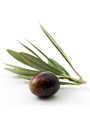
Squalane (Olive)
Sodium PCA 50%
GABA Gamma aminobutyric acid (Synthetic)

Ume Extract (Anti-Glycation)
Ectoine (Ectoin, from Bio-fermentation)
Pure-Adenosine™
alpha Ketoglutaric acid

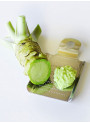
SOD-Wasabi™ (Wasabi Ferment Extract)
CocoSilk™ (Coco-Caprylate/Caprate)