Formulation Separation Issue in Sunscreen Cream
Question
I have a sunscreen cream formulation with the following ingredients and percentages:
- Aqua 66 %
- Spectrastat BHL 0.7%
- 1-3 Propanediol 2%
- 1,2 Hexanediol 2%
- Aloe water 1.5%
- Niacinamide 0.5%
- B5 0.7%
- noni+ mangosteen ext. 1.5%
- oxyeskin 1%
The sample sent from the lab separated, but a sample of the same sunscreen kept at the office did not separate. Could you please explain why the lab sample separated while the office sample remained stable?
Answer
Analysis of the Formulation and Separation Issue
Your formulation contains a high percentage of water (66%) along with humectants/solvents like Propanediol and 1,2-Hexanediol, skin conditioning agents such as Aloe Vera Extract, Niacinamide (Vitamin B3), Panthenol (Vitamin B5), and Ceramide, a preservative blend (Spectrastat BHL / Preserve-Free BHL™), and plant extracts (noni+mangosteen, oxyeskin / Pure-Oxymatrine™).
The primary reason for the separation observed in the lab sample is likely the lack of a robust emulsification or stabilization system suitable for a "cream" format. While ingredients like 1,2-Hexanediol and Propanediol offer some solvency and humectancy, and Spectrastat BHL provides preservation, none of the listed ingredients are strong traditional emulsifiers or thickeners designed to create and maintain a stable oil-in-water or water-in-oil emulsion, especially if there are oil-soluble components or UV filters present (you mentioned it's a sunscreen, but no UV filters were listed).
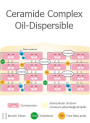
The Ceramide ingredient (like Ceramide Complex or Ceracare™ variants) can contribute to the skin barrier but typically requires proper incorporation, sometimes with specific emulsifiers or lipids, to remain stable in a formula.
Potential Causes for the Difference Between Samples
The difference in stability between the lab sample and the office sample could be attributed to several factors:
- Processing Variations: Even minor differences in the manufacturing process, such as mixing speed, temperature control, or the order and rate of ingredient addition, can significantly impact the stability of a formula, particularly one without a strong stabilizing system. The lab batch might have experienced suboptimal processing.
- Raw Material Batch Variations: Subtle differences in the quality or properties of one or more raw material batches used for the lab sample compared to the office sample could affect compatibility and stability.
- Storage Conditions: The lab sample might have been exposed to temperature fluctuations or other environmental stresses during or after manufacturing that the office sample, stored under more stable conditions, was not. Temperature changes are a common trigger for emulsion breakdown.
- Time: It's possible the lab sample is older or has been stored longer under conditions that accelerated instability compared to the office sample.
Recommendations
- Review Manufacturing Process: Carefully compare the manufacturing steps, parameters (temperature, mixing), and equipment used for the stable office batch versus the unstable lab batch. Identify any discrepancies.
- Check Raw Material Batches: Examine the Certificates of Analysis (CoA) for all ingredients used in both batches to check for variations in specifications.
- Assess Formulation Stability: Given the ingredient profile, this formulation appears inherently prone to separation without additional stabilizing agents. If a stable cream or lotion is desired, consider incorporating appropriate emulsifiers and/or thickeners suitable for the intended product type and any oil phase (including UV filters if it's a sunscreen).
- Conduct Stability Testing: Perform comprehensive stability testing on future batches under various conditions (e.g., accelerated aging, freeze-thaw cycles) to predict shelf life and identify potential issues early.
Related Products Mentioned
Safe-B3™ (Vitamin B3, Niacinamide)