Formulation Separation Issue with Multiple Actives
Question
I mixed a formulation using the following ingredients:
- Rose Water
- Fucus Film™
- Double Hyaluron Liquid
- GlucoBright™ (Acetyl glucosamine)
- Safe-B3™ (Vitamin B3, Niacinamide)
- WaterSoft™
- Mineral Ready™ (Mn+Zn+Cu)
- Galactomyces Ferment Filtrate (aka Pitera)
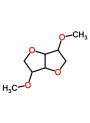
- Dimethyl Isosorbide (DMI)
After mixing, the formulation separated. Could you please tell me which ingredient might be causing this separation?
Answer
Formulation Separation Issue
It appears you are experiencing separation in a formulation containing several active ingredients. Separation in cosmetic formulations can occur for various reasons, especially when combining multiple different types of ingredients.
Based on the ingredients you listed:
- Rose Water
- Fucus Film™
- Double Hyaluron Liquid
- GlucoBright™ (Acetyl glucosamine)
- Safe-B3™ (Vitamin B3, Niacinamide)
- WaterSoft™
- Mineral Ready™ (Mn+Zn+Cu)
- Galactomyces Ferment Filtrate (aka Pitera)
- Dimethyl Isosorbide (DMI)
Potential causes for separation in a formula with these components could include:
- pH Level: Some ingredients, such as GlucoBright™ (Acetyl glucosamine), Safe-B3™ (Vitamin B3), and Galactomyces Ferment Filtrate, have specific optimal pH ranges for stability and efficacy. If the final pH of your formulation is outside these ranges, it could lead to precipitation or separation.
- Ingredient Compatibility: While all listed ingredients are water-soluble, interactions between different extracts (Fucus Film™, Galactomyces Ferment Filtrate), minerals (Mineral Ready™), and other active compounds can sometimes cause instability or incompatibility, leading to separation over time.
- Mixing Method and Temperature: Certain ingredients, like Fucus Film™ and Galactomyces Ferment Filtrate, are sensitive to heat and should be added during the cooling phase below 40°C. Safe-B3™ and GlucoBright™ can withstand heat but prolonged heating should be avoided. Incorrect mixing order or exposure to high temperatures could affect the stability of the emulsion or solution.
- Concentration of Ingredients: Using ingredients at concentrations outside their recommended ranges, or having a high total concentration of dissolved solids, can sometimes destabilize a formulation.
- Interaction with Solvents/Penetration Enhancers: While DMI is a good solvent, its interaction with the other components at the specific concentrations used could potentially play a role in the separation.
To troubleshoot the issue, consider checking the following:
- Verify the final pH of your formulation and adjust it if necessary to be within the optimal range for the sensitive ingredients (ideally between 4.0 and 7.0).
- Review your mixing process to ensure ingredients are added in the correct order and at appropriate temperatures, especially those sensitive to heat.
- Check the concentrations of each ingredient to ensure they are within the recommended usage rates.
Without the exact percentages and detailed mixing steps of your specific formula, it is challenging to pinpoint the precise cause. However, focusing on pH, compatibility, and mixing procedure are good starting points for troubleshooting.
Related Products Mentioned
Safe-B3™ (Vitamin B3, Niacinamide)
GlucoBright™ (Acetyl Glucosamine)
Double Hyaluron Liquid
Rose Water (Rosa Damascena)

WaterSoft™ (PEG/PPG-17/6 copolymer)
Mineral Ready™ (Mn+Zn+Cu)

Fucus Film™ (fucus vesiculosus extract)