Formulation Stability: High Oil Phase, Dimethicone, Glycols, and Satin Cream Maker
Question
I am formulating a cream base. After creating the base and blending in Phospholipid, can I add Dimethicone 1cSt (mixing by hand) followed by the preservative in the final step?
Also, if I use two types of glycol totaling 10%, will this make the formula too liquid and cause separation? Is 1.5% Satin Cream Maker sufficient for this type of liquid formula?
Answer
Subject: Regarding Phospholipid again!!!
Thank you for your questions regarding the formulation mixing process. Based on the information provided and the staff's response:
Regarding the mixing step for Dimethicone 1cSt and the effect of blending time:
The staff's recommended procedure, as confirmed in their answer to your second question, is to add Dimethicone 1cSt after blending the Phospholipid. This suggests that the blending time required for Phospholipid does not significantly impact the rapid evaporation of Dimethicone 1cSt in this sequence, or that this is the optimal method despite it.Regarding adding Dimethicone 1cSt after blending Phospholipid:
Yes, the staff confirms that your proposed method is correct. The recommended order is to first create the cream base, then blend in the Phospholipid, followed by adding Dimethicone 1cSt (mixing by hand is acceptable, but machine blending is recommended for better integration), and finally adding the preservative. The staff advises using a machine blender without heat for better emulsification and reduced risk of separation.Regarding the effect of 10% glycol content on viscosity and stability, and the sufficiency of Satin Cream Maker:
The staff indicates that your formula has a high chance of separation. This is because the total oil phase content, which includes Silicones, glycols, and diols, is too high, exceeding the recommended maximum of 25% of the formula. While the glycols do contribute to thinning the formula, the high overall oil load is the primary reason for the instability and risk of separation, even if you desire a liquid texture. The staff's response implies that 1.5% Satin Cream Maker is not sufficient to stabilize a formula with such a high oil phase percentage. To improve stability and prevent separation, you should reduce the total oil phase content (including glycols/diols and silicones) to below 25%.
Related Products Mentioned
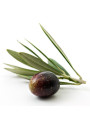
Squalane (Olive)
Ethoxydiglycol (e.q. Transcutol)
Dimethicone (Medium/350, Low-Odor)

Satin Cream Maker™

Shea Nut Oil
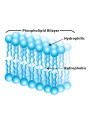
Phospholipid

Meadowfoam Seed Oil (Refined)
Kukui Nut Oil