Formulation Testing and Stability for Whitening Creams with Vitamin C
Asked by: paraquatyouedok.55555555
On: February 18, 2026
Product Type:
Cosmetics
Answered
Question
As an RD developing a brightening cream (Whitening Cream), once the formulation is complete:
- What comprehensive tests should be conducted to ensure it meets the standards of a high-quality whitening product?
- If
Vitamin Cis added to the formula, what impact will it have on the product? - Does the inclusion of
Vitamin Crequire different testing protocols or any additional specific tests compared to standard formulations?
Answer
For an RD developing a high-quality whitening cream, ensuring both efficacy and stability is paramount. When incorporating sensitive actives like Vitamin C, the testing protocol becomes more rigorous.
1. Comprehensive Testing for Whitening Creams
To ensure a professional-grade product, the following tests are recommended:
- Physical & Chemical Stability: Monitor changes in color, odor, pH, and viscosity over time.
- Heating Stability Test: Use accelerated aging tests (e.g., Heating Stability Test (40C+50C, 30day)) to simulate long-term storage and check for ingredient degradation or emulsion separation.
- Microbial Challenge Test: Ensure the preservative system is robust enough to prevent contamination throughout the product's shelf life using a Microbial Challenge Test.
- Active Content Measurement: Verify that the whitening agents remain at effective levels after stability testing.
2. Effects of Adding Vitamin C
Vitamin C is a powerful antioxidant and whitening agent, but it introduces specific challenges:
- Efficacy: It effectively inhibits melanin production and boosts collagen, but only if it remains stable.
- Stability Issues: Pure Vitamin C, such as Vitamin C (L-ascorbic acid) (Fine), is highly prone to oxidation when exposed to light, air, and heat, often turning the cream yellow or brown.
- pH Requirements: L-ascorbic acid typically requires a low pH (around 3.0-3.5) for optimal skin penetration, which can be irritating for some skin types.
- Formulation Alternatives: For better stability, consider using derivatives like Perfect-C™ (Ascorbyl Tetraisopalmitate), which is oil-soluble and much more stable, or water-soluble derivatives like Ascorbyl Glucoside.
3. Specialized Testing for Vitamin C Formulations
When Vitamin C is included, you must add these specific checks:
- Quantitative Analysis (UV-VIS Content Measurement): It is crucial to measure the remaining concentration of Vitamin C after stability tests to determine the degradation rate. Specific tests include:
- UV-VIS Ascorbic Acid Content Measurement (for pure Vitamin C).
- UV-VIS Ethyl Ascorbic Acid Content Measurement (for Ethyl Ascorbic Acid derivatives).
- UV-VIS Ascorbyl Glucoside Content Measurement (for Ascorbyl Glucoside).
- Color Stability Monitoring: Even slight yellowing can impact consumer perception. Precise color tracking is essential.
- Packaging Compatibility: Since Vitamin C is sensitive, testing with opaque or airless packaging is necessary to prevent premature oxidation.
RD Tip: For superior whitening results, consider a multi-mechanism approach by combining Vitamin C with other actives like Resorcinol derivatives to target different stages of melanogenesis.
Related Products Mentioned
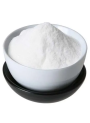
Vitamin C (L-ascorbic acid) (Fine)
Cosmetics


Heating Stability Test (40C+50C, 30day)
Lab Testing Service
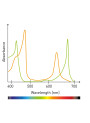
UV-VIS Ascorbic Acid Content Measurement
Lab Testing Service

Microbial Challenge Test
Lab Testing Service
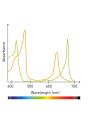
UV-VIS Ethyl Ascorbic Acid Content Measurement
Lab Testing Service
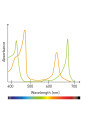
Spectrophotometric Determination of Ascorbyl Glucoside Content
Lab Testing Service