Formulation with Activated Resorcinol in Lotion/Gel and Texture
Question
I would like to know if Activated Resorcinol™ can be mixed into gel products.
My proposed method is to dissolve Activated Resorcinol™ in LipidSoft™ first, and then add it to other gel ingredients in the final step. The gel base I want to mix with includes Aloe + Vitamin B3, N-Acetyl Glucosamine + Adenosine + Pro polymer.
Also, regarding the Nivea Extra White Make Up Starter product, which ingredient provides the "Skin Protective Shield" effect?
Answer
Lotion Formula and Method Review
Thank you for sharing your lotion formula and method. It's great that you have Activated Resorcinol™ in stock!
Let's review your formula and steps:
Your formula includes several beneficial ingredients:
- Safe-B3™ (Vitamin B3, Niacinamide): Known for reducing wrinkles, hyperpigmentation, increasing moisture by stimulating collagen and ceramide production, strengthening the skin barrier, and controlling oiliness.
- GlucoBright™ (Acetyl Glucosamine): Works synergistically with Vitamin B3 for whitening and reducing dark spots. It also helps stimulate the skin's natural production of Hyaluronic Acid for moisture and can help reduce wrinkles.
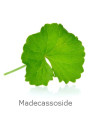
- Centella Asiatica Extract (Madecassoside 90%): Stimulates collagen production (Type I and III), reduces wrinkles, tightens skin, helps with scars and redness from acne, and reduces inflammation.
- LipidSoft™: An emollient that provides softness and smoothness. There are various types, but they generally help dissolve oils and other ingredients.
- Light Cream Maker™: An oil-in-water emulsifier and thickener that works without heat, creating a light, smooth, and easily absorbed cream.
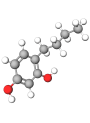
- Activated Resorcinol™ (4-Butyl Resorcinol): A potent skin brightening agent that reduces tyrosinase activity, inhibits pigment transfer, and has anti-melasma properties.
- Phenoxyethanol (Extra Pure): A broad-spectrum preservative.
Your method of separating into water and oil phases before combining is correct for creating an emulsion. Dissolving Activated Resorcinol™ in LipidSoft™ is also the recommended method as it is oil-soluble.
Regarding the mixing steps and the feedback you received:
- Phenoxyethanol Solubility: As noted in the forum reply, Phenoxyethanol has limited solubility in water alone (around 1%). While your formula has 1% Phenoxyethanol and 80% water, meaning not all of it will dissolve initially in the water phase, your method of combining it with the oil phase containing LipidSoft™ and then emulsifying with Light Cream Maker™ should still allow it to incorporate properly into the final emulsion. The suggestion to add Phenoxyethanol at the very end is a common alternative method that can sometimes make incorporation easier, but your current method is also viable.
- Activated Resorcinol™ Dissolution: The feedback confirming that Activated Resorcinol™ dissolves easily in LipidSoft™ is consistent with the product information and supports your method for Part 2.
Overall, your formula composition is good for a skin brightening and anti-aging lotion, and your mixing method is appropriate for creating this type of emulsion. Just be mindful of the Phenoxyethanol solubility, although your current method should likely work.
Nivea Product Question
You asked about the Nivea Extra White Make Up Starter product and which ingredient provides the "Skin Protective Shield" effect.
Unfortunately, I cannot view external images or websites, so I was unable to see the ingredient list for the Nivea product you mentioned. Without the specific list of ingredients, I cannot identify which one(s) are responsible for the claimed "Skin Protective Shield."
Generally, ingredients that can provide a protective or barrier effect on the skin in cosmetic products include:
- Film-forming polymers: These create a thin, often flexible layer on the skin surface.
- Silicones: Such as Dimethicone, which can form a smooth, breathable barrier.
- Certain emollients or oils: Which can help reinforce the skin's natural lipid barrier and provide a physical layer.
- Humectants and barrier repair ingredients: Like Glycerin, Hyaluronic Acid, or Ceramides, which improve skin hydration and strengthen the skin's natural barrier function, indirectly offering protection.
The term "Skin Protective Shield" is a marketing description and could refer to one or a combination of these types of ingredients working together to create a barrier against makeup or environmental factors.
If you can provide the ingredient list in text format, I would be happy to analyze it further and give you a more specific answer based on the components listed.
Related Products Mentioned
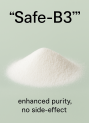
Safe-B3™ (Vitamin B3, Niacinamide)
GlucoBright™ (Acetyl Glucosamine)
Light Cream Maker™