Formulation with Stabilized Vitamin C Serum Base and Active Ingredient Compatibility
Question
I am trying to create custom serum and toner formulations using the Stabilized Vitamin C (Natural-C Glycol™) Serum base. I have several questions regarding adding other active ingredients:
- Can I add L-ascorbic acid powder to the base, specifically aiming for a total concentration of 20%?
- Can other powdered active ingredients be mixed directly into this base?
- Can oil-based or oil-soluble ingredients be mixed into this base?
- What are the potential issues or recommendations when modifying this base, especially considering the known incompatibility (Complexation) between Niacinamide (Safe-B3™) and L-ascorbic acid, which I included in a proposed toner formula?
Answer
Formulation Advice for Stabilized Vitamin C Serum Base
Thank you for your detailed questions and proposed formulas. It's great that you are experimenting with different active ingredients.
Based on the information available regarding the Stabilized Vitamin C (Natural-C Glycol™) Serum, this product is designed as a finished base and is not suitable for mixing additional ingredients, other than fragrance (up to 1%) and color. Adding other active ingredients can compromise the stability of the Vitamin C in the base, and the manufacturer cannot guarantee the stability of the final product in such cases. This is a crucial limitation to consider for both of your proposed formulas.
Let's address your specific questions:
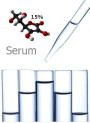
Can L-ascorbic acid be added at 20%? Adding L-ascorbic acid powder to the Stabilized Vitamin C Serum base is not recommended. The base already contains 15% L-ascorbic acid stabilized in glycol. Adding more L-ascorbic acid powder, which is highly unstable in water unless properly stabilized (e.g., with Ferulic Acid + Vitamin E or Glutathione), and potentially introducing water from other ingredients, would likely destabilize the existing Vitamin C in the base and affect the overall formula stability. If you aim for a high concentration of L-ascorbic acid with multiple actives, it would be better to formulate a serum from scratch using L-ascorbic acid powder and appropriate stabilization techniques.
Can powdered active ingredients be added? Adding powdered ingredients directly to the Stabilized Vitamin C Serum base is not advisable. Powders need to be properly dissolved or dispersed, usually in a water or oil phase, before being incorporated into a formula. Dissolving water-soluble powders would introduce water, which, as mentioned, can negatively impact the stability of the Vitamin C in this specific base. Furthermore, the base is not designed to accommodate additional ingredients.
Can oil-based or oil-soluble ingredients be mixed? While you've removed LipidSoft™ Moist from your revised formulas, generally, adding oil-based or oil-soluble ingredients to a water-based or hydro-glycolic serum base like Stabilized Vitamin C Serum would require an emulsifier to create a stable mixture. Without an emulsifier, the oil and water phases would separate. However, the primary constraint remains that this base is not intended for adding any extra ingredients, including oil-soluble ones.
Other recommendations? Given the limitations of the Stabilized Vitamin C (Natural-C Glycol™) Serum base for custom formulations, if you wish to create serums or toners with multiple active ingredients, it is highly recommended to formulate from scratch. This allows you to select a stable form of Vitamin C that is compatible with your desired active ingredients and target pH. Alternative stable, water-soluble Vitamin C derivatives like Ethyl Ascorbic Acid or Ascorbyl Glucoside (AA-2G) are generally more suitable for complex formulations and offer better compatibility with other ingredients compared to L-ascorbic acid, especially in the presence of water.
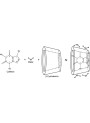
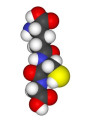
Regarding the incompatibility of Vitamin B3 (Niacinamide) and L-ascorbic acid, as noted by the staff, mixing these two ingredients can lead to a reaction called "Complexation", forming Niacinamide ascorbate. The effects of this new compound on the skin are currently unknown, which is why this combination is generally advised against, even if the individual ingredients are stable at the target pH. This is relevant to your proposed toner formula which included Safe-B3™ and the Vitamin C base.
In summary, while your proposed ingredients are beneficial for skin, attempting to incorporate them into the Stabilized Vitamin C (Natural-C Glycol™) Serum base is not recommended due to the base's inherent limitations on additional ingredients and potential compatibility issues like the one between Niacinamide and L-ascorbic acid. Formulating from scratch with compatible ingredients and a suitable Vitamin C form would be a more effective approach for developing your unique serum and toner formulas.
Related Products Mentioned
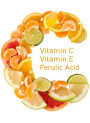
Vitamin C E Ferulic
Safe-B3™ (Vitamin B3, Niacinamide)

GlucoBright™ (Acetyl Glucosamine)
Vitamin C (L-ascorbic acid) (Ultra-Fine)

Lactic Acid (AHA) 88%
Double Hyaluron Liquid

LipidSoft™ Moist (Triethylhexanoin)
L-Carnosine

Pro-Cysteine
Pure-Adenosine™