Foundation/BB Cream Formulation: Thickness, Pilling, and Powder/Sunscreen Changes
Question
I am formulating a Foundation/BB cream. I modified the powder blend and added Zinc Oxide into the formula. The resulting cream is very thick, feels dry, and pills when applied.
My original formula used Silk Mica Powder. I changed the powder blend to include:
MatteSilica XL(3%)Polymethylsilsesquioxane 2microns(7%)Nylon-12(1%)Titanium Dioxide Nano EasyDisperse(3%)Zinc Oxide 200nm EasyDisperse(3%)
The total powder percentage is still 17%.
My questions are:
- Is the increased thickness, dryness, and pilling caused by changing the powder blend, even though the total percentage remained at 17%? Different powders have different properties, and I suspect the new blend is the issue.
- When adding
Zinc Oxide 200nm EasyDispersepowder, I reduced the percentage ofSilicone Gel Ultra Clearto maintain the total formula percentage. Was this correct, and why did the texture become thicker? - Can I replace the powder sunscreens (
Titanium Dioxide Nano EasyDisperse,Zinc Oxide 200nm EasyDisperse) with liquid sunscreens (Titanium Dioxide 15nm Liquid,Zinc Oxide 35nm Liquid) at the same percentages (3% each)? - Would changing from powder sunscreens to liquid sunscreens help make the cream texture less thick and reduce pilling?
Answer
Formulation Analysis and Recommendations
Here is an analysis of your questions based on the ingredients and formulation principles:
1. Thickness and Pilling from Powder Blend
Yes, the change in the powder blend is the likely cause of the increased thickness, dryness, and pilling, even though the total percentage remained at 17%. Different powders have different properties, including particle size, shape, oil absorption capacity, and surface treatment, which significantly impact the texture and feel of a formulation.
- Silk Mica Powder is known for providing a smooth, silky feel and easy spreadability.
- Your new blend included MatteSilica XL and Polymethylsilsesquioxane 2microns.
- MatteSilica XL is designed for high oil absorption and can contribute to a matte finish. While it helps with slip, high levels or combination with other absorbent powders can lead to a dry feel and potential pilling, especially if dispersion is not optimal.
- Polymethylsilsesquioxane 2microns provides a soft-focus effect and a smooth feel, but it also has oil absorption capabilities. Using it at a high percentage (7%) in combination with MatteSilica XL (3%) likely overloaded the formula with highly absorbent and potentially texture-altering powders, resulting in the thick, dry, and pilling texture you observed.
As confirmed by the staff response, MatteSilica XL and Polymethylsilsesquioxane at high rates are indeed the probable cause of the thickness and pilling.
2. Reducing Silicone Gel when Adding Zinc Oxide
Reducing the percentage of Silicone Gel Ultra Clear when adding Zinc Oxide 200nm EasyDisperse powder is a correct approach to maintain the total percentage of ingredients in the formula. However, as you noted and the staff confirmed, replacing a portion of the liquid silicone gel base with a powder ingredient (even a well-dispersed one like Zinc Oxide EasyDisperse) will naturally lead to a thicker texture.
3. Replacing Powder Sunscreens with Liquid Sunscreens
Yes, you can replace Titanium Dioxide Nano EasyDisperse (powder) and Zinc Oxide 200nm EasyDisperse (powder) with Titanium Dioxide 15nm Liquid and Zinc Oxide 35nm Liquid at the same percentages (3% each).
The liquid versions are pre-dispersed forms of the sunscreen actives in a silicone base, which can often integrate more smoothly into a silicone-based formula compared to powders, potentially improving texture and ease of mixing.
4. Effect of Liquid Sunscreens on Texture and Pilling
Changing from powder sunscreens to liquid sunscreens can generally help make the cream texture smoother and potentially less thick due to better dispersion of the active particles. This can also help reduce pilling if the pilling was caused by poorly dispersed powder sunscreens.
However, based on the staff's assessment of your specific formula issue, the primary cause of the pilling is likely the high concentration of the other added powders, specifically MatteSilica XL and Polymethylsilsesquioxane, rather than the powder sunscreens you initially used.
Therefore, while switching to liquid sunscreens might offer some textural benefits, it may not fully resolve the pilling issue if the levels of MatteSilica XL and Polymethylsilsesquioxane are still too high for the formula's base.
The powders most likely contributing to the pilling in your modified formula are MatteSilica XL and Polymethylsilsesquioxane 2microns when used at high percentages.
To address the thickness and pilling, the staff recommended adjusting the levels of the added powders:
- Reduce Polymethylsilsesquioxane 2microns to 2%.
- Reduce MatteSilica XL to 0.5-1%.
- Reduce Nylon-12 to 1%.
This would change your powder blend total from 17% to 3.5-4%. You would then need to increase the Silicone Gel Ultra Clear percentage to compensate and bring the total formula back to 100%.
Related Products Mentioned
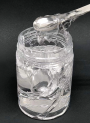
Silicone Gel (Ultra Clear, Super Silky)
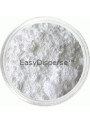

Zinc Oxide 200nm EasyDisperse™
MatteSilica 5™ (5 Micron)
Titanium Dioxide 15nm Liquid (Gloss)

Zinc Oxide 35nm Liquid