Foundation Cream Formulation for Wrinkle Coverage
Question
How can I formulate a flesh-colored foundation cream that provides wrinkle coverage? What types of ingredients are recommended for achieving good adherence and spreadability? Could you provide a basic formula structure and the mixing procedure, and confirm if a preservative is necessary for a water-containing formula?
Answer
To make a flesh-colored foundation cream to help cover wrinkles, based on the information from the staff and product details, here is the approach:
Generally, making foundation cream involves creating a basic cream base and then mixing it with foundation powder to achieve the desired color and coverage. The staff suggested an approximate ratio of 70% cream base to 30% foundation powder, which can be adjusted as needed.
For the foundation cream to adhere well and spread easily, it should contain ingredients from the silicone or emollient group that help the powder adhere to the skin, such as Dimethicone Light or LipidSoft CC, at least 10%.
Furthermore, since the formula contains water, it is necessary to include a preservative to prevent microbial growth.
A sample basic formula provided by the staff (proportions can be adjusted) includes the following components:
Oil Phase
- Dimethicone (Light/50, Low-Odor) 15%
- Light Cream Maker™ 1%
- Mica Powder (20 Micron, Methicone Coated) 20%
- Titanium Dioxide 200nm EasyDisperse™ 3%
- Beige Iron Oxides EasyMix™ 0.5%
- SiliSilk™ 5H 2%
- WhiteMatte3™ (Boron Nitride 3micron) 2%
Water Phase
- Water: Remaining percentage
Instructions:
- Mix all ingredients in the oil phase together.
- Gradually add the water phase to the oil phase, stirring until a cream consistency is achieved.
And don't forget to add a suitable preservative to your formula in the final step, generally after the cream has cooled down. An example is Mild Preserved™ COS, which is a water-soluble broad-spectrum preservative effective in a wide pH range of 2-8.
Related Products Mentioned
Light Cream Maker™
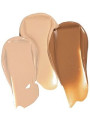
LipidSoft™ CC (Cetyl Ethylhexanoate)
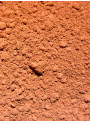
Beige Iron Oxides EasyMix™
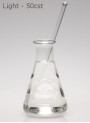
Dimethicone (Light/50, Low-Odor)