Foundation Formula Stability Issues and Solutions
Question
How to improve the stability and prevent water separation in a Water-in-Oil/Silicone-in-Oil foundation formula containing high powder load (approx. 41%) and specific ingredients like Warp Cream Maker, PEG-10 Dimethicone, silicones, and various powders, which is currently separating?
Answer
Formula Stability Issues and Solutions
Based on the formula you provided and the issue of water separation, this is a common challenge with Water-in-Oil (W/O) or Silicone-in-Oil emulsions, especially when they contain a high percentage of powders. The total powder content in your formula (Mica Powder, Silk Talc Powder, Titanium Dioxide, BB Micro Silk™, Polymethylsilsesquioxane) is around 41%, which is quite high and can destabilize the emulsion.
Here are some potential reasons for the separation and ways to address them:
1. Insufficient Emulsifier or Stabilizer
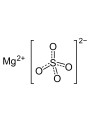
The combination of Warp Cream Maker™ and PEG-10 Dimethicone acts as your emulsifier system. While 12% total emulsifier might seem adequate, the high powder load and the relatively large internal water phase (around 10% water + 3% Glycerin + 1% Phenoxyethanol + 1% Magnesium Sulfate = ~15%) can overwhelm the emulsifier system.
- Solution: Consider slightly increasing the concentration of Warp Cream Maker™ or PEG-10 Dimethicone. You could also explore adding a co-stabilizer specifically designed for W/O emulsions or high-powder systems.
2. High Powder Load
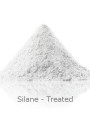
Powders, even surface-treated ones like your Dimethicone Treated Titanium Dioxide, Silane Coated Mica Powder, and Silane Coated Silk Talc Powder, can interfere with emulsion stability. They can absorb components of the continuous phase or disrupt the emulsifier film around the water droplets.
- Solution: Ensure your powders are perfectly dispersed and wetted in the oil/silicone phase before adding the water phase. Poorly dispersed powders can act as nucleation sites for emulsion breakdown. High shear mixing during the powder dispersion phase is crucial.
3. Manufacturing Process
W/O emulsions are very sensitive to the manufacturing method.
- Solution:
- Ensure the oil/silicone phase containing the emulsifiers and dispersed powders is prepared correctly.
- Add the water phase (containing water, Glycerin, Phenoxyethanol, Magnesium Sulfate) very slowly to the oil/silicone phase while mixing continuously with high shear. Adding the water too quickly is a common cause of W/O emulsion failure.
- Maintain high shear mixing for a sufficient period after all the water is added to fully form and stabilize the emulsion droplets.
4. Viscosity of the External Phase
The viscosity of the continuous (oil/silicone) phase plays a significant role in keeping the internal (water) phase dispersed and preventing settling of powders.
- Solution: While you have Dimethicone and Silicone Gel contributing to the viscosity, you might need to increase the viscosity of the external phase further. This could involve using a higher viscosity grade of Dimethicone or adding an oil-soluble polymer or wax that is compatible with your silicone phase.
In summary, to improve the stability of your foundation formula, focus on optimizing the emulsifier system, ensuring excellent powder dispersion, refining your manufacturing process (especially the water addition and mixing speed), and potentially increasing the viscosity of the external phase.
Related Products Mentioned
Phenoxyethanol (Extra Pure)
Dimethicone (Medium/350, Low-Odor)
Silicone Gel (Ultra Clear, Super Silky)

BB Micro Silk™
Warp Cream Maker™ (e.q. Nikkomulese wo)
Mica Powder (20 Micron, Silane Coated)