Foundation Formulation: Analyzing Ingredients and Seeking Ratios/Substitutions
Question
Hello, could you please help analyze the approximate ingredient ratios for a foundation? The original brand uses ingredients roughly like this. Can any ingredients be reduced or substituted? What should be the approximate percentage of each ingredient? Thank you in advance.
Here is the ingredient list:
- WATER(AQUA/EAU)
- DIMETHICONE
- Butylene Glycol
- isohexadecane
- glycerin
- ETHYLHEXYL METHOXYCINNAMATE
- Titanium Dioxide (CI 77891)
- Titanium Dioxide (nano)
- Cetyl PEG/PPG-10/1 Dimethicone
- Cetyl Ethylhexanoate
- Iron Oxides (CI 77492)
- DIPHENYLSILOXY Phenyl Trimethicone
- DEXTRIN PALMITATE
- Phenoxyethanol
- PEG-9 POLYDIMETHYLSILOXYETHYL DIMETHICONE
- ALUMINUM HYDROXIDE
- stearic acid
- Iron Oxides (CI 77491)
- TRISODIUM EDTA
- METHYLPARABEN
- Iron Oxides (CI 77499)
- CELLULOSE GUM
- PALMITIC ACID
- Trehalose
- Tocopheryl Acetate
- DISODIUM STEAROYL GLUTAMATE
- Sodium Hyaluronate
- Fragrance (PARFUM)
- DISTEARYLDIMONIUM CHLORIDE
- MICA
- Synthetic Fluorphlogopite
- Citronellol
- Polymethylsilsesquioxane
- DIMETHICONE/VINYL DIMETHICONE CROSSPOLYMER
- Geraniol
- Linalool
- ISOPROPYL ALCOHOL
- BHT
- BUTYLPHENYL METHYLPROPIONAL
- BUPLEURUM FALCATUM ROOT EXTRACT
- THEANINE
- PEG/PPG-14/7 DIMETHYL ETHER
- SODIUM ACETYLATED HYALURONATE
- ROSA ROXBURGHII FRUIT EXTRACT
- Polyquaternium-51
- POLYSilicone-2
- HYDROLYZED SILK
- HYDROLYZED CONCHIOLIN PROTEIN
Answer
Understanding and Formulating Foundation from an Ingredient List
Thank you for providing the ingredient list for the foundation. Analyzing an existing product's ingredients is a great starting point for developing your own formula. However, determining the exact percentages of each ingredient from a list alone is very challenging, as the specific ratio of each component is crucial for the final product's texture, stability, performance, and feel on the skin. Developing a stable and effective foundation typically requires extensive experimentation and testing.
Based on the ingredient list you provided, here's a breakdown of the main types of ingredients and their roles in the formula:
Key Ingredient Categories and Their Functions
- Base Ingredients (Water, Silicones, Emollients): The formula appears to be a Water-in-Silicone or Water-in-Oil emulsion, with Water as the primary solvent in the internal phase. Silicones like Dimethicone (various viscosities like Light/50 or Very Light/10), Phenyl Trimethicone, and silicone crosspolymers provide a smooth, silky feel, aid spreadability, form a film for longevity, and can offer oil control. Emollients such as Isohexadecane and Cetyl Ethylhexanoate contribute to the smooth texture and prevent a dry feel.
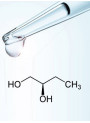
- Humectants (Butylene Glycol, Glycerin, Hyaluronic Acid derivatives): Ingredients like Butylene Glycol, Glycerin, Trehalose, Sodium Hyaluronate, Sodium Acetylated Hyaluronate, and Polyquaternium-51 help to attract and retain moisture in the skin, contributing to a comfortable feel.
- UV Filters (Ethylhexyl Methoxycinnamate, Titanium Dioxide): These provide sun protection. Titanium Dioxide (including nano forms) also acts as a white pigment for coverage.
- Pigments & Opacifiers (Titanium Dioxide, Iron Oxides, Mica): Titanium Dioxide and Iron Oxides (Yellow, Red, Black) are the primary color pigments used to create the foundation shade and provide coverage. Ingredients like Aluminum Hydroxide may help with pigment dispersion. Mica and Synthetic Fluorphlogopite can add luminosity or modify texture.
- Emulsifiers (Silicone-based Emulsifiers, Stearic Acid, Palmitic Acid): Specialized silicone emulsifiers such as Cetyl PEG/PPG-10/1 Dimethicone and PEG-9 POLYDIMETHYLSILOXYETHYL DIMETHICONE (similar to PEG/PPG-18/18 Dimethicone or Lauryl PEG-9 Polydimethylsiloxyethyl Dimethicone) are essential for creating and stabilizing the Water-in-Silicone/Oil emulsion. Fatty acids like Stearic Acid and Palmitic Acid also contribute to the emulsion stability and texture.
- Thickeners/Stabilizers (Dextrin Palmitate, Cellulose Gum, Stearic Acid, Palmitic Acid): These help increase the viscosity and maintain the stability of the formula.
- Preservatives (Phenoxyethanol, Methylparaben): Ingredients like Phenoxyethanol (available in grades like Extra Pure or P5) and Methylparaben are included to prevent microbial growth and ensure product safety and shelf life.
- Other Ingredients: This category includes chelating agents (Trisodium EDTA), antioxidants (BHT, Tocopheryl Acetate), fragrance components (Fragrance, Citronellol, Geraniol, Linalool, Butylphenyl Methylpropional), and various skin conditioning or active ingredients (Bupleurum Falcatum Root Extract, Theanine, Rosa Roxburghii Fruit Extract, Hydrolyzed Silk, Hydrolyzed Conchiolin Protein, Distearyldimonium Chloride, Isopropyl Alcohol, PEG/PPG-14/7 Dimethyl Ether).
Substituting or Reducing Ingredients
- Silicones: Reducing the total silicone content will likely change the texture, spreadability, and longevity. Substituting different types of Dimethicone (e.g., different viscosities) or other silicones will alter the skin feel. Emulsifying silicones like PEG/PPG-18/18 Dimethicone or Lauryl PEG-9 Polydimethylsiloxyethyl Dimethicone are critical for emulsion type and stability.
- Humectants: You can adjust the levels of humectants like Butylene Glycol or Glycerin to modify the hydration level, but high amounts can feel sticky. Other humectants can be substituted.
- UV Filters/Pigments: Adjusting the amount of Titanium Dioxide and Iron Oxides will change the coverage and color intensity. Using treated pigments (like FoundationPro™ Iron Oxides or EasyDisperse™ Titanium Dioxide) can improve dispersion and compatibility in the formula. The ratio of yellow, red, and black Iron Oxides determines the specific shade.
- Emulsifiers: The type and amount of emulsifier are crucial for emulsion stability. Substituting emulsifiers requires careful selection of a compatible type for Water-in-Silicone/Oil systems (like KSG-210) and rigorous stability testing.
- Thickeners/Stabilizers: Adjusting these will change the viscosity. Substituting requires testing to ensure compatibility and desired texture.
- Preservatives: Phenoxyethanol is a common broad-spectrum preservative. Ensure any substitute provides adequate preservation for the formula type and pH.
How to Approach Formulation
Since exact percentages are not available, the best approach is to use this ingredient list as a guide and start with a known base formula for a Water-in-Silicone or Water-in-Oil foundation. You can then incorporate the ingredients from your list, starting with typical usage ranges for each ingredient type (often available from ingredient suppliers). Extensive small-batch testing will be necessary to adjust percentages to achieve the desired texture, stability, color match, and performance.
Products like various grades of Dimethicone, treated Titanium Dioxide (such as Titanium Dioxide 200nm EasyDisperse™ or Titanium Dioxide FoundationPro™), treated Iron Oxides (like Iron Oxides Yellow, Red, and Black FoundationPro™), silicone emulsifiers (like PEG/PPG-18/18 Dimethicone or Lauryl PEG-9 Polydimethylsiloxyethyl Dimethicone), humectants (like Butylene Glycol or Glycerin), fatty acids (Stearic Acid, Palmitic Acid), and preservatives (Phenoxyethanol) are available and relevant to this type of formulation.
Developing a stable and effective foundation is a complex process involving careful ingredient selection, precise measurements, and thorough testing. Using this ingredient list as a reference and starting with reliable raw materials is a good first step in your formulation journey.
Related Products Mentioned
Glycerin (USP/Food Grade)
Phenoxyethanol (Extra Pure)
Butylene Glycol
Dimethicone (Light/50, Low-Odor)
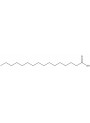
Palmitic Acid (98%, FEMA-2832)
Isohexadecane
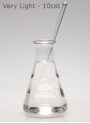
Dimethicone (Very Light/10, Low-Odor)
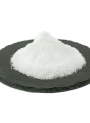
Butylated Hydroxytoluene (BHT)
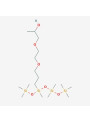
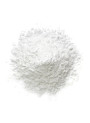
Titanium Dioxide Nanosil
Hyaluronic Acid Gel Base
Mica Powder (9 Micron, Silane Coated)
KSG-210 (Shin Etsu)
Cetyl Ethylhexanoate Gel (Thixotropic)
Titanium Dioxide FoundationPro™
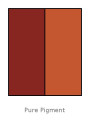
Iron Oxides Red (FoundationPro™)
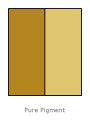
Iron Oxides Yellow (FoundationPro™)
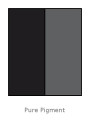
Iron Oxides Black (FoundationPro™)
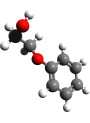
Phenoxyethanol P5

Methyl Trimethicone
PEG/PPG-20/15 Dimethicone