Foundation Formulation with SPF 50
Question
I am looking for a foundation cream formulation that also provides sun protection. I found a lightweight BB cream formula with SPF 15-25.
Do you have any recommendations for a foundation cream formula with SPF 50?
Answer
Foundation Formulation with SPF 50
Achieving a high Sun Protection Factor (SPF) like SPF 50 in a foundation formulation requires careful selection and combination of UV filters. While we cannot provide exact formulas with specific percentages, we can guide you on the types of ingredients typically used to reach this level of protection.
To formulate a foundation with SPF 50, you will generally need to incorporate effective UV filters at appropriate concentrations. These can include both chemical and physical sunscreens.
Some ingredients and bases available that are relevant for achieving high SPF include:
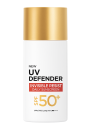
- High SPF Sunscreen Bases: Products like Pure Physical Sunscreen (SPF50+, PA3+, Water-in-Oil) or Light Invisible Sunscreen (SPF50+, PA++++) can serve as excellent starting points for a high-SPF formulation, to which pigments and other foundation components can be added.
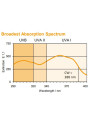
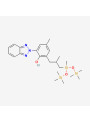
- Broad-Spectrum UV Filters: Ingredients such as SPF Protect Ultra™ III (UVA+UVB), Bisoctrizole (MBBT, e.q. Tinosorb M), and Drometrizole Trisiloxane (e.q. Mexoryl XL) are known for providing broad-spectrum protection against both UVA and UVB rays and are effective in achieving high SPF values.
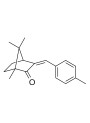
- Other UV Filters and Boosters: Other filters like Homosalate (UVB filter) and Enzacamene (4-methylbenzylidene camphor, 4-MBC) (UVB filter), as well as physical filters like Titanium Dioxide Transparent (15nm, Water-Dispersion), can be used in combination. Ingredients like UV35 (Polyurethane-35) can help boost SPF and water resistance, while emollients like LipidSoft™ SPF can aid in dissolving chemical filters and improving texture.
It is important to note that adding pigments and other components required for a foundation's coverage and texture can affect the final SPF value. Therefore, achieving a certified SPF 50 requires laboratory testing of the final formulation to ensure it meets the required protection level.
Formulating a stable and effective high-SPF foundation involves balancing the UV filters with pigments, emollients, thickeners, and other cosmetic ingredients. We recommend consulting detailed technical data sheets for each ingredient and conducting stability and efficacy testing during the development process.
Related Products Mentioned
Homosalate

LipidSoft™ SPF

SPF Protect Ultra™ III (UVA+UVB)