Foundation Ingredients and Clogged Pores
Question
Could you please review the ingredient list of this foundation and advise if any ingredients might stimulate clogged pores?
Ingredient List:
- Water (Aqua)
- Propylene Glycol
- Isononyl Isononanoate
- ETHYLHEXYL METHOXYCINNAMATE
- Glyceryl stearate
- Talc
- Silica
- stearic acid
- Caprylic/capric triglyceride
- ethylhexyl palmitate
- Kaolin
- Magnesium Aluminum Silicate
- Polysorbate 20
- Butylene Glycol
- Phenoxyethanol
- Aluminum Starch Octenylsuccinate
- Polymethyl methacrylate
- Aminomethyl Propanediol
- Methylparaben
- aloe barbadensis leaf juice
- Disodium EDTA
- Panthenol
- Tocopheryl Acetate
- Ethylparaben
- Propylparaben
- Enantia Chlorantha Bark Extract
- retinyl palmitate
- Butylparaben
- Ascorbyl Palmitate
- Camellia Sinensis Leaf Extract
- Oleanolic Acid
- May Contain (+/-): Ci 77891 (Titanium Dioxide), CI 77491, CI 77492, CI 77499 (Iron Oxides)
Answer
Based on the ingredient list provided for the foundation, here is an analysis regarding potential for clogged pores (สิวอุดตัน):
Some ingredients in cosmetic formulations, particularly certain emollients and fatty compounds, can potentially contribute to clogged pores, depending on the concentration used and an individual's skin type and sensitivity.
Looking at the ingredients you listed:
- Ethylhexyl Palmitate: This emollient is noted in product descriptions as potentially causing clogged pores if used in high quantities or on skin prone to acne.
- Isononyl Isononanoate: This is another emollient. While similar ingredients are often considered non-greasy, emollients in this class can sometimes contribute to clogging for susceptible individuals.
- Glyceryl Stearate and Stearic Acid: These are fatty acids and emulsifiers used for texture and stability. Fatty components can sometimes be a concern, but their impact depends heavily on the overall formulation.
- Caprylic/Capric Triglyceride: This emollient is generally considered non-comedogenic.
- Talc, Silica, Kaolin, Magnesium Aluminum Silicate, Titanium Dioxide, Iron Oxides: These are primarily mineral powders and pigments used for texture, oil absorption, and color. They are generally not considered comedogenic.
- Other ingredients like glycols (Propylene Glycol, Butylene Glycol), preservatives (Phenoxyethanol, Parabens), vitamins (Tocopheryl Acetate, Retinyl Palmitate, Ascorbyl Palmitate), and plant extracts (Aloe Barbadensis Leaf Juice, Camellia Sinensis Leaf Extract, Enantia Chlorantha Bark Extract) are less likely to be primary causes of clogged pores, although individual sensitivities can vary.
Important Considerations:
- The position of an ingredient in the list indicates its relative concentration (higher on the list means higher concentration). Ingredients appearing earlier in the list might have a greater impact.
- The overall formulation matters. How ingredients are combined can affect whether a product is comedogenic.
- Individual skin reactions are highly variable. What causes clogged pores for one person may not for another.
Based on the ingredient list and available information, Ethylhexyl Palmitate and potentially Isononyl Isononanoate, as emollients, are the ingredients most often discussed in the context of comedogenicity, especially for acne-prone skin.
Related Products Mentioned
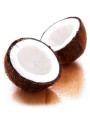
Fractionated Coconut Oil
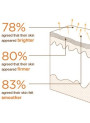
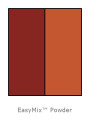
Red Iron Oxides EasyMix™
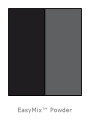
Black Iron Oxides EasyMix™
Talc Powder (5 Micron, Methicone Coated)
MatteSilica 5™ (5 Micron)
LipidSoft™ Palm (Ethylhexyl palmitate)
Isononyl Isononanoate Gel (Thixotropic)
Ethylhexyl Palmitate Gel
Kaolin (400nm High Whiteness)
Kaolin (China Clay, 300nm)