Fragrance Formulation: Natural Scents, Composition, and Mixing with Oil & Alcohol
Question
Hello, I would like to inquire about fragrance products. 1. Regarding the standard and consistency of Natural Scents (Essential Oil/Absolute): If the formula is the same but the extract comes from different production lots, will the scent change? Can the original ratio be used, or does it need adjustment? 2. Are fragrance components the various elements of the main scent? Are they synthetic equivalents or isolated extracts? 3. Are finished fragrances (Brand Name, Fashion, A-Z, Fruit, Floral, Sweet/Food, Herb, Women's, Men's, Other) entirely synthetic? 4. Can a fragrance formula mix Essential Oil 25%, Veg. Oil 10%, and Ethyl Alcohol 99.9% in the remaining part together? What can help combine them?
Answer
Understanding Fragrances and Formulations
Here are the answers to your questions about fragrances:
1. Standard and Consistency of Natural Scents (Essential Oil/Absolute)
Natural essential oils and absolutes are derived directly from plants. Their scent profile can vary between different production batches due to natural variations in the plant material, growing conditions (soil, climate, harvest time), and extraction processes.
- Variation: Yes, even with the same plant species, extracts from different lots can have subtle or sometimes noticeable differences in scent.
- Formulation: Because of this natural variation, in professional perfumery, adjustments are often needed when using a new batch of a natural ingredient to maintain the desired final fragrance profile. Simply using the same ratio might result in a slightly different scent in the finished product.
2. Components of Fragrance
Fragrance components are the individual aromatic chemicals or natural extracts that are blended together to create a specific scent.
- These components can be synthetic aroma chemicals, which are created in a laboratory to mimic natural scents or create novel ones.
- They can also be natural isolates, which are specific aromatic compounds isolated from natural sources (e.g., menthol from peppermint oil).
- Finished fragrance oils are typically complex blends of many different components, often combining both synthetic and natural materials to achieve the desired scent, performance, and cost.
3. Finished Fragrances
Finished fragrance oils, such as those categorized by type (Floral, Fruit, Brand Name equivalents, etc.), are generally blends of various aromatic materials.
- They are usually not entirely synthetic, nor are they typically pure natural extracts.
- Most finished fragrance oils are composed primarily of synthetic aroma chemicals, often combined with some natural essential oils or absolutes to add complexity, depth, or specific natural nuances. The exact composition varies greatly depending on the desired scent and price point.
4. Mixing Fragrance, Alcohol, and Oil
You asked about mixing Essential Oil (25%), Vegetable Oil (10%), and Ethyl Alcohol 99.9% (65%) and what can help combine them.
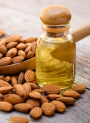
- The Challenge: Mixing a significant amount of vegetable oil (like Sweet Almond Oil, Jojoba Oil, or Fractionated Coconut Oil) into high-proof Ethyl Alcohol to create a clear, stable solution is difficult. While essential oils are generally soluble in alcohol, fixed vegetable oils are less so, especially at higher concentrations. The 10% vegetable oil in your proposed formula will likely cause the mixture to be cloudy or separate over time.
- Solubilizers: Solubilizers are ingredients used to help disperse oils (like fragrances) evenly in a water or alcohol base. Products like Flora Solve™ Clear are designed for this purpose, particularly for incorporating fragrances into water-based formulas without alcohol. While some solubilizers can help with oil-in-alcohol systems, achieving a perfectly clear and stable solution with 10% vegetable oil and 25% essential oil in 65% alcohol is challenging even with a solubilizer.
- Alternative Approaches:
- If you want a clear alcohol-based perfume spray, it's best to omit the vegetable oil or use it at a very low percentage (e.g., less than 1%) if absolutely necessary for skin feel, and use a suitable solubilizer if the fragrance blend itself isn't fully soluble in the alcohol concentration. The total fragrance concentration for alcohol perfumes is typically lower than 35%.
- If you want a perfume oil, you would mix the essential oil and fragrance oil directly with the vegetable oil base, omitting the alcohol entirely.
In summary, while you can attempt to mix the components, the proposed ratio with 10% vegetable oil in 99.9% alcohol is unlikely to result in a clear, stable solution. You would likely need to adjust the formula significantly or use a different type of product base depending on your desired outcome (clear spray vs. oil).
Related Products Mentioned
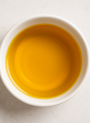
Jojoba Oil (Golden - Deodorized)
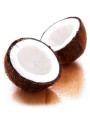
Fractionated Coconut Oil
Strawberry (Fragrance Oil)
Floral Background

Poeme (Benchmark - Lancome)
Sweet Basil Oil
Angelica Root Oil
Elemi Oil