Functions of Common Cosmetic Ingredients
Asked by: slimandspa
On: May 02, 2019
Product Type:
Cosmetics
Answered
Question
Could you please explain the functions of the following cosmetic ingredients?
- Acetyl Hexapeptide-9
- Aqua
- Ceteth-20
- Cetearyl Alcohol
- Ci 75130
- Ci 75300
- Colloidal Gold
- Diazolidinyl Urea
- Disodium EDTA
- Fragrance
- Glycerin
- Glyceryl Stearate
- Glycyrrhiza Glabra Root Extract
- Lauric Acid
- Methylparaben
- Mica
- Myristic Acid
Answer
Common Cosmetic Ingredients and Their Functions
Here is a breakdown of the common functions of the ingredients listed:
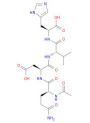
- Acetyl Hexapeptide-9: Peptides like Acetyl Hexapeptide-8 and Acetyl Tetrapeptide-9 are often used in cosmetics for their potential anti-aging and wrinkle-reducing properties.
- Aqua: Water is the primary solvent and base for many cosmetic formulations.
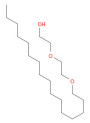
- Ceteth-20: This is an emulsifier, helping to blend oil and water components in a formulation.
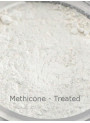
- Cetearyl Alcohol: A fatty alcohol used as a thickener, emulsifier stabilizer, and emollient, providing a smooth feel to creams and lotions.
- Ci 75130, Ci 75300: These are Color Index numbers, indicating the presence of colorants used to give the product a specific color.
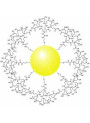
- Colloidal Gold: Used as a nanocarrier to help deliver other active ingredients into the skin more effectively. It also has some antibacterial properties.
- Diazolidinyl Urea: A common cosmetic preservative used to prevent microbial growth.
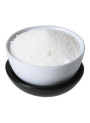
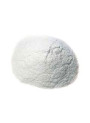
- Disodium EDTA: A chelating agent that binds to metal ions, improving the stability and shelf life of the product.
- Fragrance: Added to give the product a pleasant scent.
- Glycerin: A humectant that attracts and retains moisture in the skin, acting as a moisturizer and solvent.
- Glyceryl Stearate: An emulsifier and thickener that helps create and stabilize the texture of creams and lotions.
- Glycyrrhiza Glabra Root Extract: Also known as Licorice Extract, it is known for its anti-inflammatory, anti-irritant, and potential skin brightening properties.
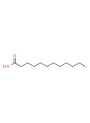
- Lauric Acid: A fatty acid with antimicrobial properties, also used as an emollient, cleansing agent, and foaming agent in various cosmetic products.
- Methylparaben: A type of paraben commonly used as a preservative to prevent the growth of bacteria and mold.
- Mica: A mineral powder used in makeup and other cosmetics to provide texture, coverage, and a shimmering or pearlescent effect.
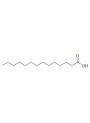
- Myristic Acid: A fatty acid used as an emulsifier, opacifier, and surfactant in cosmetic formulations.
This list provides a general overview of the roles these ingredients play in cosmetic products.
Related Products Mentioned
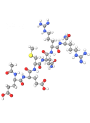
Acetyl Hexapeptide-8 (eq Argireline)
Cosmetics
Glycerin (USP/Food Grade)
Cosmetics
Urea (High Purity, Cosmetics, Powder)
Cosmetics
Disodium EDTA
Cosmetics
Cetearyl Alcohol (50/50, e.q. Lanette O)
Cosmetics
Lauric Acid (99%)
Cosmetics
Myristic Acid (FEMA-2764)
Cosmetics
Cetearyl Alcohol (30/70, eq. Lanette D)
Cosmetics
Mica Powder (9 Micron, Silane Coated)
Cosmetics
Ceteth-20
Cosmetics
Pep®-Mican (Acetyl Tetrapeptide-9)
Cosmetics
Sodium Paraben (Sodium Ethyl Paraben)
Cosmetics
AromaLock™ (Fragrance Encapsulation Service)
Fragrance/Flavor