Gel Cleanser Formulation for Acne/Clogged Pores and Glycolic Acid Calculation
Question
I am planning to make a gel facial cleanser with the following formula:
- Lauryl Glucoside 5%
- Propylene Glycol 20%
- Glycerin (Vegetable) 20%
- Phenoxyethanol 1%
- Xanthan Gum 0.5%
- Glycolic Acid 5%
- Aloe Vera Extract 1%
- Water q.s.
I have persistent clogged pores and an oily T-zone. The staff suggested that using BHA like Encapsulated Salicylic Acid might be more suitable for clogged pores in a wash-off product than Glycolic Acid (AHA).
I am also confused about how to use Glycolic Acid (AHA) 70% (the one sold by myskinrecipes). How do I dilute it to get a 5% concentration? If I want to make a 100g formula, how many grams of this 70% Glycolic Acid should I use? I'm a bit confused by the calculation information on the website and don't want to make a mistake.
Answer
Addressing Your Acne Concerns and Formulation Questions
Thank you for reaching out and sharing your detailed skin concerns and formulation ideas. It's completely understandable to feel frustrated with persistent acne. Let's break down your questions and provide some guidance.
Your Proposed Gel Cleanser Formula
Your formula includes several good ingredients like Lauryl Glucoside for gentle cleansing, moisturizing agents (Propylene Glycol, Glycerin, Aloe Vera Extract), a preservative (Phenoxyethanol), and a gelling agent (Xanthan Gum). These form a solid base for a cleanser.
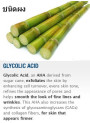
However, as the staff mentioned, incorporating Glycolic Acid (an AHA) into a wash-off cleanser might not yield the best results for treating clogged pores directly. AHAs primarily work by exfoliating the surface layers of the skin. While this can help with overall skin texture and brightness, the contact time in a cleanser is very short, limiting its effectiveness for deeper concerns like clogged pores.
Salicylic Acid (BHA) for Clogged Pores
For tackling clogged pores, blackheads, and whiteheads, Salicylic Acid (a BHA) is generally more effective. BHAs are oil-soluble, allowing them to penetrate into the pores and help loosen and dissolve the sebum and debris that cause blockages. This aligns with the staff's recommendation.
We have various types of Salicylic Acid available, including:
- Salicylic Acid (BHA) (standard powder type): This needs to be dissolved in a suitable solvent like Propylene Glycol before adding to a water-based formula.
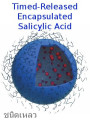
- Encapsulated Salicylic Acid (Liquid, Timed-Release, Wash-Off): This type is specifically designed for wash-off products like cleansers. It's encapsulated to provide a gentler, timed release of Salicylic Acid, making it suitable for sensitive skin even in a cleanser format. It is water-soluble and easier to incorporate.
For a cleanser aimed at clogged pores, using a BHA like Encapsulated Salicylic Acid (Liquid, Timed-Release, Wash-Off) at an appropriate concentration (e.g., 1-2% active Salicylic Acid, which corresponds to 3.3-6.6% of the Encapsulated Salicylic Acid 30% liquid) would likely be more beneficial than Glycolic Acid.
Calculating Glycolic Acid 70% for a 5% Formula (100g)
You asked how to calculate the amount of Glycolic Acid (AHA) 70% liquid needed to achieve a 5% concentration in a 100g formula. Here's the breakdown:
- Determine the target amount of active Glycolic Acid: You want 5% active Glycolic Acid in a 100g formula. This means you need 5 grams of active Glycolic Acid (5% of 100g = 5g).
- Calculate the amount of 70% solution needed: Your source is a 70% Glycolic Acid solution. This means 70% of the solution's weight is active Glycolic Acid.
To get 5 grams of active Glycolic Acid from a 70% solution, you use the formula:
(Amount of Active Needed / Concentration of Source) * 100
(5 grams / 70) * 100 ≈ 7.14 grams
So, to get 5% active Glycolic Acid in a 100g formula using a 70% Glycolic Acid liquid, you would need approximately 7.14 grams of the Glycolic Acid 70% liquid.
Remember that the pH of the final formula is crucial for AHA effectiveness and safety. For consumer products, the FDA generally requires the pH to be 3.5 or higher when using AHA concentrations up to 10%. The description for Glycopure™ (Glycolic Acid (AHA) 100% Powder) also highlights the importance of pH for effectiveness.
Alternative Approach for Your Skin Concerns
Given your persistent clogged pores and oily T-zone, a more effective approach might be to use a gentle cleanser (like your current Physiogel) followed by a leave-on treatment product containing BHA. A serum or toner with 1-2% Salicylic Acid applied to the affected areas could help significantly with clogged pores.
If you still wish to incorporate AHA for overall exfoliation and texture improvement, consider using a separate leave-on product with a lower concentration (e.g., 5-8%) a few times a week, applied after your BHA product or on alternate nights, depending on your skin's tolerance.
Also, ensure your moisturizer is non-comedogenic and provides adequate hydration, as dehydrated skin can sometimes overcompensate by producing more oil.
Consider adding ingredients like Niacinamide (Vitamin B3) to your routine, which can help regulate oil production, reduce inflammation, and improve skin barrier function.