Gel Cream Formulation for Hydration and Balancing: Texture and Mixing Questions
Question
I have combination skin and do not have acne issues. I would like to create a cream that balances the skin and makes it look plump and hydrated.
Ingredients for plumping:
WaterLock 1%
Hydro Algae 2%
Natural Moisturizing Amino acid 5%
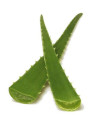
Aloe Vera Extract 3%
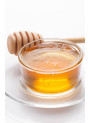
Honey Extract 1%
Panthenol 2%
Ingredients for skin balancing:
Vitamin B6 2%
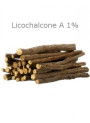
Licorice Extract (Licochalcone A 1%) 1%
Other ingredients:
Glycerin 5%
DMI 3%
Mild Preserved Eco 1%
AnyGel 1%
Distilled Water 73%
Will this formula be too sticky? I want a gel texture that is not like a serum. Is using AnyGel at 1% suitable for this? My proposed mixing method is to put all ingredients except AnyGel into the water, stir until combined, and then add AnyGel and stir until a gel forms. Is this method correct?
Answer
Gel Cream Formulation for Combination Skin
You're looking to create a gel-based cream for combination skin that balances oiliness and provides hydration. The ingredients you've selected are well-suited for these goals.
Here's an analysis of your questions regarding texture and mixing method:
Texture (Stickiness and Gel Consistency)
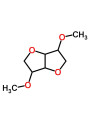
- Stickiness: Your formula includes several effective humectants (ingredients that attract and hold water) such as Glycerin, Natural Moisturizing Amino Acids, Aloe Vera Extract, Honey Extract, and Panthenol. These are excellent for hydrating and plumping the skin. While humectants can sometimes contribute to a slightly tacky feel, especially at higher combined percentages, the overall feel will depend on the final formulation and how quickly it absorbs. WaterLock (Polyquaternium-51) is designed to provide a smooth, non-sticky feel and help prevent water loss. Dimethyl Isosorbide (DMI) is a solvent and penetration enhancer and doesn't typically add stickiness. AnyGel is described as providing a non-greasy texture. The combination might result in some initial tackiness, but it may not be excessively sticky.
- AnyGel at 1%: AnyGel (Dehydroxanthan Gum) is a suitable gelling agent for creating water-based gels. The recommended usage rate is 1-2.5%. Using it at 1% is at the lower end of this range. This concentration will form a gel, but it will likely be a lighter, more fluid gel, potentially closer to a thick serum consistency rather than a thicker cream-gel. If you prefer a texture that is definitely not like a serum and is more substantial, you might consider increasing the AnyGel concentration to 1.5% or 2%. Be aware that electrolytes present in ingredients like Vitamin B6 and Aloe Vera Extract can sometimes reduce the viscosity provided by AnyGel, which might make 1% feel thinner than expected.
Mixing Method
Your proposed mixing method is a good starting point, but a few adjustments are recommended to optimize the process and ensure product stability:
- Vitamin B6 is sensitive to heat (above 40°C) and light and is most stable at a lower pH (2-6). It's best added in a later step, after any heating and cooling, and protected from light.
- HydroAlgae also recommends avoiding heat above 40°C.
- Mild Preserved Eco should be added as the final ingredient after the gel has formed. It also requires thorough blending to dissolve clearly in water.
- AnyGel needs to be properly dispersed and hydrated in the water phase to form a smooth gel. Adding it last to a solution containing many other ingredients (including electrolytes that can interfere with gelling) might make it harder to achieve a uniform gel without clumps.
Here is a suggested mixing method:
- In your main container, combine the Distilled Water and Glycerin.
- Slowly add AnyGel to the water/glycerin mixture while stirring or blending continuously. Blend until the AnyGel is fully hydrated and a smooth gel has formed. This may take a few minutes.
- In a separate small container, dissolve the Vitamin B6 in a very small amount of distilled water.
- Add WaterLock, HydroAlgae, Natural Moisturizing Amino Acids, Aloe Vera Extract, Honey Extract, DMI, and Panthenol to the main gel mixture. Mix gently but thoroughly until all are dispersed. Avoid excessive heat during this step.
- Add the dissolved Vitamin B6 solution to the main mixture and mix well.
- Finally, add Mild Preserved Eco to the mixture and mix until fully incorporated. Ensure it is well-dispersed.
- Check the pH of your final product. It should ideally be in a range that supports the stability of your ingredients, likely between 4.0 and 6.5.
Following this method will help ensure a stable and effective gel cream with the desired properties for combination skin.
Related Products Mentioned
Glycerin (USP/Food Grade)
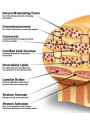
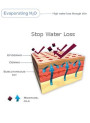
WaterLock™ (Polyquaternium-51)
Vitamin B6 (Pyridoxine Hydrochloride)
Mild Preserved Eco™ (Preservative-Free)
AnyGel™ (Dehydroxanthan Gum)
Dimethyl Isosorbide (DMI)

HydroAlgae™