Gel Forming Agents for Acidic Serum with 10% Azelaic Acid
Question
I am planning to make a gel serum with the following ingredients:
- Water
- Vit B3 4%
- NAG 4%
- Lactic acid (for pH adjustment)
- Azelaic acid 10%
Could you recommend suitable gel-forming agents for this formula, considering the low pH from Lactic Acid and Azelaic Acid, as well as the high concentration of Azelaic Acid?
Answer
Gel Forming Agents for Your Formula
For your planned formula containing Water, Vit B3 4%, NAG 4%, Lactic Acid (for pH adjustment), and Azelaic Acid 10%, selecting the right gel-forming agent is crucial. This formula presents several challenges, particularly the relatively low pH from Lactic Acid and Azelaic Acid, as well as the high concentration of Azelaic Acid, which is difficult to dissolve or disperse.
General "pro polymers" (like standard carbomers) may not be suitable for this formula, as they often lose their thickening ability in acidic conditions and might not be compatible with other ingredients in the formula.
Therefore, for your formula, you should consider gel-forming agents that are more tolerant of low pH and can potentially help suspend or disperse the Azelaic Acid.
Gel-forming agents that might be suitable for your formula include:
- Sepinov EMT10 (or Hydroxyethyl Acrylate/Sodium Acryloyldimethyl Taurate Copolymer): This is an easy-to-use cold process gel-forming agent known for its excellent tolerance to a wide pH range (3-12), making it suitable for your acidic formula. It can also help in dispersing water-insoluble ingredients.
- Aristoflex AVC (or Ammonium Acryloyldimethyltaurate/VP Copolymer): This is a gel-forming agent that provides a clear gel texture and has better tolerance to electrolytes and pH compared to standard carbomers. It is easy to use and soluble in water.
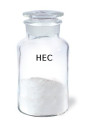
- Hydroxyethyl Cellulose (HEC): This is a non-ionic gel-forming agent, making it tolerant to electrolytes. It can be used in formulas as acidic as pH 3. However, some grades of HEC may require heating to dissolve and form a gel, which needs to be considered based on other ingredients in your formula.
- Xanthan Gum: This is a natural gum that is relatively tolerant to pH and can be used to create gels in various conditions. However, it might result in a slightly sticky or stringy texture depending on the grade and concentration used.
Formulating 10% Azelaic Acid into a clear and stable gel is challenging. You might need to consider using solubilizers or dispersing agents in addition to the main gel-forming agent to ensure the Azelaic Acid is well-dispersed within the gel matrix.