Gel Formula Review: Stability, Storage, and Ingredient Performance for Post-Treatment Care
Question
I would like to know if this formula is suitable. I want it to be a clear, colorless, odorless gel with a light, easy-to-spread texture. It should be usable as a sleeping mask or a wash-off mask. I specifically want to use it after laser or chemical peeling treatments. After just the first use (emphasizing immediate results, which is why I chose Mineral Ready and Yeast Resurface, but I'm not sure if I understand correctly), I want the skin to feel firm, look glass-like and radiant, with reduced pore size, and also help soothe and reduce irritation from post-treatment (which is why I chose beta glucan). The formula is as follows:
Water 66.4%
Glycerin Gel 10%
beta glucan 10%
1,3-Propanediol (Natural) 5%
Yeast Resurface 3%
Mineral Ready™ (Mn+Zn+Cu) 2%
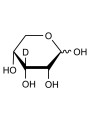
NAT RIBOSE 1.5%
Mild Preserved Eco 1%
Carbomer 940 1%
My questions are:
1) Will 10% beta glucan precipitate? I'm worried about it settling as powder in the gel. If I remove beta glucan, are there any good alternatives that can help reduce redness or skin inflammation without making the gel too heavy or causing precipitation?
2) What are the shelf life and storage conditions? Will it oxidize or lose quality easily? Should a cream containing Mineral Ready be stored in the refrigerator if it's mixed into the formula?
4) What is the maximum percentage of Yeast Resurface for a mild and gentle peeling effect?
5) Mineral Ready is used to add oxygen to the skin. Besides this ingredient, are there any other ingredients that can replace it and provide similarly good skin oxygenation?
Answer
Formula Review and Answers
Your formula includes several excellent ingredients for post-treatment care, focusing on soothing, skin renewal, and energizing the skin. The combination of Beta Glucan, Yeast Resurface, Mineral Ready, NAT-RIBOSE, and moisturizing/gelling agents like Glycerin Gel, Propanediol, and Carbomer 940 aligns well with your goals.
Let's address your questions:
1) Beta Glucan Precipitation and Alternatives
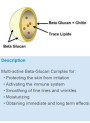
Regarding 10% Beta Glucan (Saccharomyces cerevisiae extract), the product description indicates that its particles are heavy and may precipitate in gel or creamy formulations if the concentration is insufficient or the formula viscosity isn't adequate to keep it dispersed. It does not dissolve in water until clear but can be dispersed in slightly viscous formulas. At 10%, precipitation is a possibility, and you might need to ensure your gel structure is robust enough and potentially include instructions to shake well before use if minor settling occurs.
If you wish to avoid this potential issue or prefer an alternative for reducing redness and inflammation without the risk of precipitation or heavy texture, consider these water-soluble options:
- Allantoin: Known for its soothing, anti-irritant, and skin-healing properties. It helps reduce irritation and supports tissue regeneration. It is typically used at 0.1-2.0%, with 0.5% being a common effective rate due to its solubility limit in water at room temperature. It's a powder that needs to be dissolved in the water phase.
- Pep-Calm™ (Palmitoyl Tripeptide-8): This peptide is specifically designed to reduce skin redness and irritation, which contributes to skin aging. It is effective at a usage rate of 1.0-2.5% and is a water-soluble liquid, making it easy to incorporate without affecting texture or causing precipitation.
Both Allantoin and Pep-Calm™ can provide excellent soothing benefits and are good alternatives or complements to Beta Glucan for addressing post-treatment irritation.
2) Shelf Life and Storage
The shelf life and storage conditions depend on the specific ingredients in your formula. Based on the descriptions of the ingredients you are using:
- Mild Preserved Eco™ provides preservation for at least 2 years when stored at room temperature, away from sunlight and heat.
- NAT-RIBOSE™, Propanediol, Glycerin Gel, and Carbomer 940 also have long shelf lives (2-3+ years) at room temperature under proper storage (closed container, away from sunlight/heat/moisture).
- However, Mineral Ready™ (Mn+Zn+Cu) and Yeast Resurface have specific cold storage requirements (refrigerator at 4-8°C and 6-8°C respectively) to maintain their quality for at least 2 years. Beta Glucan also recommends refrigeration (15-25°C).
To ensure the maximum shelf life and stability of the sensitive active ingredients like Mineral Ready™ and Yeast Resurface, it is highly recommended to store the finished product in the refrigerator (4-8°C). This will help prevent degradation and potential oxidation, especially for the mineral complex in Mineral Ready™. While Mild Preserved Eco™ provides microbial protection, refrigeration adds an extra layer of stability for the active components.
4) Yeast Resurface Maximum Concentration for Mild Peeling
Yeast Resurface is an oligopeptide from yeast extract designed for gentle skin cell turnover without the harsh side effects of traditional exfoliants. The recommended usage rate is 3%, which has shown effectiveness in promoting exfoliation, softening skin, reducing dark spots/redness, increasing elasticity, and reducing wrinkles in studies. The maximum recommended usage rate is 4.0%.
For mild and gentle peeling, using 3% Yeast Resurface is sufficient and recommended based on the product information and experimental results. Increasing to 4% might offer slightly enhanced benefits over a longer period, but 3% is already effective for the desired gentle exfoliation and skin renewal effects.
5) Alternatives to Mineral Ready for Skin Oxygenation
Mineral Ready™ (Magnesium Aspartate, Zinc Gluconate, Copper Gluconate) works by supporting the skin's oxygenation process and increasing cellular respiration and ATP synthesis, providing energy for cell renewal.
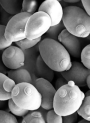
Another ingredient that works on similar principles of supporting cellular energy and renewal, found in the search results, is Dermal Respiratory Factor (Saccharomyces Lysate Extract). This ingredient is derived from yeast and is described as stimulating cell renewal and being used in anti-aging products. While its mechanism isn't described identically to Mineral Ready's explicit focus on "oxygenation," stimulating cellular respiration and ATP production (as Mineral Ready does) is fundamentally about providing energy to cells, which involves oxygen utilization. Dermal Respiratory Factor is typically used at a lower concentration (0.1-2.8%, with 1.0% recommended) and is a liquid.
While Mineral Ready™ is a specific complex of minerals directly linked to oxygen absorption and cellular energy, Dermal Respiratory Factor offers an alternative approach through yeast lysate extract to support cellular vitality and renewal, which can contribute to a similar revitalizing effect on the skin.
Overall, your formula is a promising base. Pay attention to the potential for Beta Glucan precipitation at 10% and consider the suggested alternatives if needed. Storing the final product in the refrigerator is advisable to maintain the efficacy of sensitive ingredients like Mineral Ready™ and Yeast Resurface.
Related Products Mentioned

Allantoin
Carbomer 940 (EasyDisperse™, France)
NAT-RIBOSE™
Mild Preserved Eco™ (Preservative-Free)

Yeast Resurface
Dermal Respiratory Factor
Mineral Ready™ (Mn+Zn+Cu)
Glycerin Gel (Glyceryl Polyacrylate)