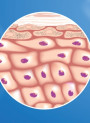
Gel Formulation for Acne, Oily Skin, Redness, and Scars
Question
Hello, I want to make a gel for facial skin that is very acne-prone and oily, and also has many acne scars and redness from inflammatory acne. I would like a gel to help make the skin smoother, reduce redness, and reduce oiliness. Is the following formula suitable?
Ingredients:
- Safe-B3 (5%)
- GlucoBright (4%)
- Yeast Resurface (3%)
- Rhamnose (3%)
- Vitamin B6 (1%)
- Licorice Extract 1% (1%)
- Natural Bisabolol (1%)
- CopperPeptide (GHK-Cu) (2%)
- Phytosphingosine (1%)
- DMI (3%)
- AnyGel (1%)
- water (37%)
- Mild Preserved Eco (1%)
Preparation Method:
- Mix water-soluble ingredients one by one until fully dissolved.
- Add AnyGel and stir until it forms a gel.
- Mix Bisabolol with Phytosphingosine until combined before adding to the prepared gel.
- Add preservative.
Is this preparation method correct, and are there any precautions I should be aware of during mixing? Thank you.
Answer
Hello!
Thank you for your question and the gel formula you provided. This formula includes several interesting ingredients with properties that address oily, acne-prone skin, acne scars, and redness.
Suitability of Ingredients:
The ingredients you have chosen have good properties for addressing the issues you mentioned, such as:
- Safe-B3 (Niacinamide): Helps control oil, reduce acne inflammation, reduce redness, and strengthen the skin barrier.
- GlucoBright (N-Acetyl Glucosamine): Works well with Niacinamide to reduce post-acne hyperpigmentation and redness, and helps with hydration.
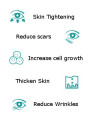
- Yeast Resurface (Yeast Extract), Rhamnose, CopperPeptide (GHK-Cu): Have skin regenerating properties, stimulate collagen production, and may help with acne scars and improving skin texture.
- Vitamin B6: Helps control oiliness.
- Licorice Extract, Natural Bisabolol: Have anti-inflammatory properties and help reduce redness.
- Phytosphingosine: Helps reduce inflammation and inhibits P.acnes bacteria, one of the causes of acne.
Overall, these ingredients can work synergistically to address oily and acne-prone skin issues, including scars and redness.
Preparation Method:
- Step 1 (Mixing water-soluble ingredients): This step is correct.
- Step 2 (Adding AnyGel): This step is correct for gelling with AnyGel.
- Step 3 (Mixing Bisabolol with Phytosphingosine before adding): This step might be problematic. Natural Bisabolol is oil-soluble, while Phytosphingosine depends on its form (powder or dissolved in a solvent). Mixing an oil-soluble ingredient directly with a powder or a dispersion/solution before adding to a water-based gel might make it difficult to achieve a homogeneous mixture and even distribution. It is recommended to dissolve or disperse Phytosphingosine in water or a suitable solvent (like DMI, which is in your formula) and dissolve Natural Bisabolol in a suitable solvent (like DMI) before incorporating them into the gel base. DMI can help improve the incorporation of both ingredients into the gel.
- Step 4 (Adding preservative): This step is correct.
Additional Precautions:
- Ingredient Percentages: The percentages you provided (including 37% water) do not add up to 100%. Please double-check the percentages of all ingredients to ensure the formula is complete and adds up to 100%.
- pH Adjustment: This is very important for this formula. Several ingredients, such as Niacinamide, Copper Peptide, and Phytosphingosine, have optimal pH ranges for efficacy and stability. Controlling the pH to be around 5-6 will help ensure these ingredients work effectively and minimize skin irritation. You should measure and adjust the pH of the final gel.
- Potential for Irritation: This formula contains multiple active ingredients at relatively high concentrations. The combination might cause irritation for some individuals, especially those with active acne or sensitive skin. It is recommended to patch test the product on a small area of skin (e.g., forearm or jawline) before applying it to the entire face. If irritation occurs, consider reducing the concentration of some ingredients.
- Ingredient Form and Solubility: Ensure each ingredient is in the appropriate form and is properly dissolved or dispersed in the correct phase before mixing (e.g., water-soluble ingredients in water, oil-soluble ingredients in oil or a suitable solvent).
- Stability and Storage: Store the product in a well-sealed container away from light and heat to maintain the quality of the ingredients.
In summary, this formula has a good concept for addressing your skin concerns. However, you need to clarify the complete percentages, refine the mixing steps for difficult-to-incorporate ingredients, and pay attention to measuring and adjusting the pH.
If you have the complete percentage information or further questions, feel free to ask! I am happy to provide more guidance.
Related Products Mentioned
Safe-B3™ (Vitamin B3, Niacinamide)
Natural Bisabolol (Brazil Chamomile)
GlucoBright™ (Acetyl Glucosamine)
Vitamin B6 (Pyridoxine Hydrochloride)
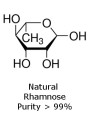
Rhamnose (rhamnose sugar)
Mild Preserved Eco™ (Preservative-Free)

Yeast Resurface
AnyGel™ (Dehydroxanthan Gum)