Gel Formulation for Dark Spots and Scars from Mosquito Bites
Question
I would like to create a skin gel formulation aimed at removing dark spots and scars from mosquito bites as quickly and effectively as possible. I've calculated the amounts based on a total product weight/volume of 1000ml (though I'm unsure if the final volume will be exactly 1000ml when mixed). Below is the proposed formula:
- Distilled Water: 547.5 ml (54.75%)
- Tranexamic Acid (Trans-White™): 30 ml (3%)
- N-Acetyl-D Glucosamine (GlucoBright™): 40 ml (4%)
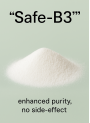
- Niacinamide (Safe-B3™): 40 ml (4%)
- Willow Bark Extract: 50 ml (5%)
- Aloe Vera Extract 10:1 FullAssay™: 70 ml (7%)
- Activated Resorcinol™ S: 50 ml (5%)
- Pro Polymer™ Silk: 50 ml (5%)
- Yeast Radiance™: 30 ml (3%)
- NaturePreserve™ Ultra (delta-Gluconolactone): 12.5 ml (1.25%)
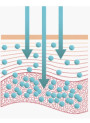
- Reservoir-Tech: 50 ml (5%) - Note: I believe this acts somewhat like a penetration enhancer, helping to retain dissolved substances under the skin, which is why I chose it as it's in the 'penetration enhancer' category.
- 4MSK (Potassium Methoxysalicylate): 30 ml (3%)
The total percentage is 100%. I plan to target a pH of 6. Is this pH suitable? Do I need to add any anti-irritant ingredients?
Is this formula too strong, or is this concentration necessary for the desired rapid results? Is this formula easy to mix at home, or would it require a lab? If a lab is needed, could you recommend one?
I have attached a photo showing the skin issue I want to treat on someone close to me. I hope to create both a shower cream and this skin gel to effectively treat it. The cost of ingredients is high, but laser treatments are not an option. I hope this formula can help achieve results within 2-3 months.
Answer
Formulation Evaluation
Your formula includes several excellent active ingredients for targeting dark spots and scars:
- Tranexamic Acid (Trans-White™): Known for reducing melanin production and is effective for blemishes caused by sun exposure. Your proposed 3% is the maximum allowed in cosmetics.
- N-Acetyl Glucosamine (GlucoBright™) and Niacinamide (Safe-B3™): These two ingredients work synergistically to reduce dark spots and improve skin tone, while also strengthening the skin barrier and providing moisture. Your percentages (4% GlucoBright™, 4% Safe-B3™) are within recommended ranges and should work well together.
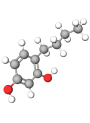
- Activated Resorcinol™: A very powerful skin brightening agent that inhibits pigment production.
- Willow Bark Extract: Provides natural exfoliation (due to its Salicylic Acid content) and can help with cell turnover, which is beneficial for reducing the appearance of scars and dark spots. It also has soothing properties. Your 5% usage is within the effective range for exfoliation.
- Aloe Vera Extract: A great addition for its soothing, moisturizing, and anti-irritant properties, which can help calm the skin and support healing, beneficial for scar reduction. Your 7% is within the recommended range.
- Yeast Radiance™: Aims to improve overall skin radiance and brightness. Your 3% is the recommended usage rate.
- Reservoir-Tech: This ingredient is designed to help active ingredients penetrate the skin more effectively and be released gradually, potentially enhancing efficacy and reducing irritation. Your 5% is at the higher end of the recommended range.
- Pro Polymer™ Silk: This is your gel-forming agent, which will provide the desired texture. Your 5% is within the typical usage range.
- NaturePreserve™ Ultra: Acts as a preservative to keep your product safe. Your 1.25% is the recommended usage rate.
Concerns and Recommendations
While the combination of actives is powerful, there are a few critical points to consider:
Activated Resorcinol™ Concentration: Your proposed 5% Activated Resorcinol™ is significantly higher than the recommended maximum usage rate of 1% for leave-on cosmetic products. Using it at 5% is highly likely to cause significant skin irritation, redness, burning, and sensitivity. This concentration is generally not advised for cosmetic use and could be harmful.
- Recommendation: It is strongly recommended to reduce the concentration of Activated Resorcinol™ to 1% or less (e.g., 0.5-1.0%) for safety and to minimize irritation risk. Even at lower concentrations, it is still a very effective ingredient.
Potential for Irritation: Even with a reduced level of Activated Resorcinol™, the combination of multiple potent actives (Tranexamic Acid, N-Acetyl Glucosamine, Niacinamide, Willow Bark Extract, Activated Resorcinol™) carries a risk of irritation, especially for sensitive skin.
- Recommendation: Consider adding dedicated anti-irritant ingredients. Natural Bisabolol is a good option that is compatible with Activated Resorcinol™. Other soothing ingredients could also be beneficial.
pH Level: Your target pH of 6 is generally acceptable for most ingredients. However, Activated Resorcinol™ has an optimum pH range of 4.5-5.5, and NaturePreserve™ Ultra works best in the range of 3-6. A pH of 6 is at the edge for the preservative's optimal function and slightly higher than ideal for Activated Resorcinol™ stability.
- Recommendation: Aiming for a pH between 5.0 and 5.5 might be more optimal for the stability and efficacy of Activated Resorcinol™ and the preservative. You will need to measure the pH of your final formulation and adjust it using a suitable acid (like Lactic Acid or Citric Acid solution) or base (like Sodium Hydroxide solution) if necessary.
- Recommendation: Activated Resorcinol™ description mentions adding Disodium EDTA (0.2%) to prevent discoloration. This is a good practice for formula stability.
Measurement by Volume: Measuring solid ingredients (like powders) by volume (ml) instead of weight (grams) is inaccurate because the density of powders varies. Cosmetic formulations are typically done by weight to ensure precise concentrations and consistent results.
- Recommendation: Measure all ingredients by weight (grams) for accuracy. You will need to convert your desired percentages to grams based on the total batch size (1000g, assuming the density is close to water).
Formulation Complexity: While making cosmetics at home is possible, this formula contains multiple active ingredients with specific solubility and compatibility requirements (e.g., Activated Resorcinol™ is oil-soluble and needs to be incorporated correctly; Pro Polymer™ Silk requires blending). Ensuring proper mixing, stability, and preservation can be challenging without laboratory equipment and expertise.
- Recommendation: If you are new to cosmetic formulation, start with simpler recipes. For complex formulas like this, especially with high concentrations of actives, achieving a stable and effective product requires careful technique and testing.
Conclusion
Your proposed formula includes a powerful blend of ingredients that can be very effective for reducing dark spots and improving skin texture. However, the high concentration of Activated Resorcinol™ (5%) poses a significant irritation risk and exceeds recommended cosmetic usage levels.
By adjusting the Activated Resorcinol™ concentration to a safe level (1% or less), adding anti-irritants, ensuring accurate measurement by weight, and controlling the pH, you can create a more stable and safer, yet still highly effective, gel for your needs. Achieving results in 2-3 months is possible for some dark spots, but severe or old scars may take longer or require professional treatments.
Making this formula requires careful attention to detail, especially regarding ingredient compatibility, mixing procedures, and pH adjustment. While possible at home with the right tools and knowledge, it is more complex than basic formulations.
Related Products Mentioned
Safe-B3™ (Vitamin B3, Niacinamide)
Natural Bisabolol (Brazil Chamomile)
GlucoBright™ (Acetyl Glucosamine)

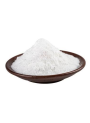
Tranexamic Acid (Trans-White™)

Yeast Radiance™