Gel Formulation for Exfoliation and Melasma: Pro polymer, LHA Dissolution, and Ingredient Compatibility
Question
I am developing a gel formula for mild melasma, photodamaged skin, and collagen stimulation, which involves exfoliation. I have some questions regarding the formulation process and ingredient compatibility:
- How much
Pro polymershould I use? I need a medium gel texture to preventLHAfrom precipitating. - The instructions for
SKIN-DEFENSE®dissolution say to mix it withLHAin oil, using short heat if needed, then mix withGAand water, heat until dissolved, cool, and adjust pH to 3.5. My formula doesn't have oil besidesSKIN-DEFENSE®. Will 2.5%SKIN-DEFENSE®be enough to dissolve 1%LHApowder, even with heat? Will excessive heat degradeSKIN-DEFENSE®? - Is using
Phytosterol + SqualanefromSKIN-DEFENSE®suitable for a low pH formula like this (pH 3.5)? - Should I add an anti-histamine agent, or is the current approach sufficient?
- Does this formula require oil as a solvent for
SKIN-DEFENSE®? If I don't usePro polymer, what is the maximum percentage of oil I can incorporate while maintaining a stable water-oil mixture? CanSKIN-DEFENSE®be used as the sole oil phase?
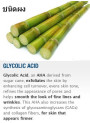
My formula involves Glycolic acid and LHA, and I understand these can reduce gel viscosity. I need guidance on the correct mixing procedure and ingredient percentages.
Answer
Formula Improvement for Exfoliation, Melasma, and Photodamaged Skin
Regarding the formula you proposed and the advice from the expert (C7), here is a summary and additional recommendations:
Formula Suitability: This formula is considered suitable for mild melasma, photodamaged skin, and stimulating collagen synthesis. However, the most important thing is strict sun protection. As the skin will be thinner after exfoliation and very sensitive to sunlight, failing to protect from the sun could worsen the skin condition.
Pro polymer Percentage: C7 recommends using Pro polymer in the range of approximately 1.5-2% to achieve a medium gel consistency and help prevent LHA sedimentation. Pro polymer has good particle suspending properties.
Dissolution and Mixing Method: The recommended mixing method to ensure ingredients are well combined and maintain efficacy is as follows:
- Start by creating the water gel base by mixing Pro polymer with water. Stir until a gel texture is formed.
- Add Glycolic Acid to the water gel and stir until fully dissolved. If the gel thins out, you can add more Pro polymer to adjust the consistency.
- Prepare the oil phase separately: Dissolve LHA in SKIN-DEFENSE®. You may need to heat to around 70-80 degrees Celsius to aid dissolution (according to LHA information).
- Allow the oil phase containing dissolved LHA to cool slightly (ideally below 60 degrees Celsius to prevent Glycolic Acid degradation).
- Gradually add the prepared oil phase into the water gel containing Glycolic Acid while stirring or blending until a uniform mixture is obtained.
- Adjust the final pH of the formula to around 3.5.
C7 noted that 2.5% SKIN-DEFENSE® might not be sufficient to fully dissolve 1% LHA powder, even with heat, and excessive heat could degrade SKIN-DEFENSE®. If LHA does not dissolve completely, you might need to consider adjusting the amount of SKIN-DEFENSE® or using another method to help disperse the LHA.
SKIN-DEFENSE® with Low pH: The use of Phytosterol and Squalane from SKIN-DEFENSE® is suitable for a formula with a low pH of 3.5. There is no issue as most natural oil components are stable in acidic conditions at this pH level.
Adding an Anti-Histamine Agent: The expert (C7) asked for clarification on which specific ingredient you are referring to. If you have the name of the ingredient you wish to use, its suitability can be considered. However, generally, incorporating soothing ingredients like Vitamin B3, mentioned below, might be sufficient.
SKIN-DEFENSE® and Water-Oil Emulsification:
- SKIN-DEFENSE® is an oil blend that is already liquid; it does not require another solvent to dissolve it.
- If you do not use Pro polymer or other gel makers/emulsifiers, the formula will separate into water and oil phases. SKIN-DEFENSE® cannot act as a water-oil emulsifier. You need an agent to help combine the phases (Emulsifier), such as Pro polymer or a Light Cream Maker as recommended by C7.
- The maximum percentage of oil that can be emulsified with water without using Pro polymer (but using another emulsifier) will depend on the type and efficiency of the specific emulsifier you choose.
Additional Recommendation:
The expert (C7) recommends adding Vitamin B3 (Niacinamide) to the formula. It is a good and inexpensive ingredient that helps repair damaged skin cells, strengthen the skin barrier, reduce inflammation, and effectively reduce redness/hyperpigmentation. Vitamin B3 can be used at a rate of 1-10% and is mixed in the water phase.
Related Products Mentioned
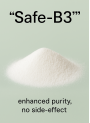
Safe-B3™ (Vitamin B3, Niacinamide)
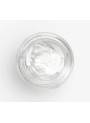
Pro Polymer™ (Gel Maker)