Gel Formulation for Intimate Areas: Solubility and Clarity Issues
Question
I have the following gel formulation and would like to know if it can be used for intimate areas:
- Hydroxyethyl Cellulose (HEC) 0.7%
- Propylene Glycol (for gel slip) 2%
- Allantoin (for soothing/anti-irritation) 0.4%
- Disodium EDTA (chelating agent) 0.2%
- Panthenol (Vitamin B5) ExtraLite™ 1%
- Ganoderma lucidum extract 3%
- Ginseng Extract 3%
- Vitamin C 1%
- Triethanolamine (adjust pH to 4, but not exceeding) <2.5%
- Vitamin E (Tocopheryl Acetate) 0.1%
- Glycerin 99.5% 3%
- Phenoxyethanol SA 1%
- Fragrance
- Color
- Di-Water up to 100%
I have Vitamin E (Tocopheryl Acetate) and don't know how to dissolve it. I want a clear, non-cloudy gel.
Answer
Gel Formulation for Intimate Areas
Regarding your gel formulation for intimate areas, the ingredients included are generally used in cosmetic products. Ingredients like Allantoin and Panthenol are known for their soothing and moisturizing properties, which can be beneficial for sensitive skin.
However, for products intended for intimate areas, it is highly recommended to avoid ingredients that can cause irritation. Fragrance and colorants are common culprits for sensitivity in these areas. To minimize the risk of irritation, it would be best to omit the fragrance and color from this formula.
The inclusion of Ganoderma lucidum extract and Ginseng Extract can offer beneficial properties, but ensure the extracts used are suitable for cosmetic applications and properly incorporated into a water-based gel.
It is also crucial to ensure the final pH of the product is appropriate for the intimate area, which is typically slightly acidic (around pH 3.5-4.5). The pH should be checked and adjusted after all ingredients are added, especially considering the presence of Vitamin C and Triethanolamine.
Dissolving Vitamin E for a Clear Gel
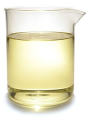
You mentioned having Vitamin E (Tocopheryl Acetate) and wanting a clear gel. The standard Vitamin E (Tocopheryl Acetate) is oil-soluble. Adding an oil-soluble ingredient directly to a water-based gel will make it cloudy or opaque and may not dissolve properly.
To achieve a clear gel with Vitamin E, you should use a water-soluble version of Vitamin E, such as Vitamin E (Tocopheryl Acetate) Water-Soluble. This type is designed to dissolve directly in water-based formulations, allowing you to maintain the clarity of your gel.
Related Products Mentioned
Vitamin E (Tocopheryl Acetate)

Allantoin
Vitamin C (L-ascorbic acid) (Ultra-Fine)
Propylene Glycol (USP)
Triethanolamine 99%
Glycerin (USP/Food Grade)
Disodium EDTA
Panthenol (Vitamin B5) ExtraLite™

Phenoxyethanol SA (eq. Optiphen Plus)