Gel Formulation for Oily Skin: Review and Mixing Steps
Question
I have designed a gel formulation with the following ingredients:
- Water: 75%
- Propolymer: 2%
- Nature Preserve: 1%
- Green tea Extract: 3%
- Vit B3: 4%
- N-Acetyl-D Glucosamine: 3%
- Orange Peel Extract: 3%
- Vit B5: 3%
- DMAE: 3%
- L-Tyrosine: 2%
- Zinc Pca: 1%
- I would like to ask if there are any parts of this formula that should be adjusted.
- Since I have oily skin, is a gel form suitable with these ingredients?
- If all ingredients are water-soluble, can I mix them all together at once?
- If possible, please provide the mixing steps. I'm very excited to make this for the first time and worried about making mistakes.
Answer
Formulation Review and Mixing Guide for Your Gel Formula
It's great that you're trying to create your own skincare formula! This formula includes many beneficial ingredients for oily skin. Let's go through your questions and the proposed formula.
1. Should the formula be adjusted?
Your formula includes a good selection of ingredients targeting oily skin, brightening, and skin health. Here are some points to consider regarding the percentages based on typical usage recommendations and product information:
- Pro Polymer (2%): This is within the recommended range (0.5-5%) for a gel maker like Pro Polymer. However, with Zinc PCA (an electrolyte) in the formula, you might need this amount to achieve a good gel texture. Be aware that using 2% might result in a thicker, potentially slightly sticky gel compared to a lower percentage like 0.8% recommended for general use.
- Nature Preserve (1%): This is at the higher end of the recommended range (0.5-1.0%) for NaturePreserve LB2, providing good broad-spectrum preservation.
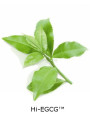
- Green Tea Extract (3%): This is within the recommended range (1-5%) for Green Tea Extract (Hi-EGCG). It's a good antioxidant and can help with oiliness.
- Vit B3 (4%): This is within the effective range (1-10%) for Vitamin B3 (Niacinamide, Safe-B3). It pairs well with N-Acetyl-D Glucosamine for brightening and improving skin barrier.
- N-Acetyl-D Glucosamine (3%): This is within the recommended range (1-8%) for Acetyl Glucosamine (GlucoBright) and works synergistically with Vitamin B3.
- Orange Peel Extract (3%): This is within the recommended range (1-5%) for Orange Peel Extract. It can stimulate blood flow and has anti-glycation effects. At 3%, you might experience a slight warming sensation, which is normal for this ingredient.
- Vit B5 (3%): This is at the higher end of the recommended range (1-10%, with 1-3% recommended for skin) for Vitamin B5 (D-Panthenol). Using 3% might make the final product feel a bit sticky. You could consider reducing this to 1-2% if stickiness is a concern.
- DMAE (3%): This is within the recommended range (1-10%, with 3% recommended) for DMAE. However, DMAE can cause irritation, especially on sensitive skin or at higher concentrations. For a first-time formulation, you might consider starting at a lower percentage like 1-2% to assess your skin's tolerance.
- L-Tyrosine (2%): While L-Tyrosine is an amino acid, specific cosmetic usage data and recommended percentages are not readily available for this ingredient in the product information. It's generally water-soluble, but its stability and efficacy at 2% in this type of formula are uncertain. For a first formulation, you might consider omitting this ingredient to simplify the process and focus on the well-documented actives.
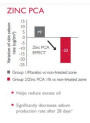
- Zinc Pca (1%): This is at the higher end of the recommended range (0.2-1.0%, with 1.0% for oily skin) for Zinc PCA. It's excellent for controlling oiliness and helping with acne.
Potential Adjustments:
To potentially improve texture (reduce stickiness) and minimize irritation risk, you could consider slightly reducing the percentages of Vit B5 and DMAE. Omitting L-Tyrosine for a first attempt is also a reasonable approach if you don't have specific usage guidelines for it.
2. Is a gel form suitable for oily skin with these ingredients?
Yes, a gel form is very suitable for oily skin. Gel formulas are typically lightweight and non-greasy, which is ideal for skin types that produce excess oil. The majority of your chosen ingredients are water-soluble and integrate well into a gel base.
3. Can all water-soluble ingredients be mixed together at once?
No, you cannot mix all water-soluble ingredients together at once. While many ingredients dissolve in water, some have specific requirements regarding mixing order, temperature, and pH for optimal stability and effectiveness. For example:
- Pro Polymer needs to be properly hydrated to form a gel, and electrolytes like Zinc PCA should be added after the gel structure is established.
- Green Tea Extract, Orange Peel Extract, and DMAE are sensitive to heat and should be added in the final step after the mixture has cooled.
A specific mixing procedure is necessary to ensure the ingredients are incorporated correctly and the formula is stable.
4. Mixing Steps
Here is a suggested mixing procedure for your gel formula:
- Prepare the Water Phase: In a clean container, combine the Water, Nature Preserve, Vitamin B3 (Safe-B3), N-Acetyl-D Glucosamine (GlucoBright), and Vitamin B5 (D-Panthenol Care). If you decide to include L-Tyrosine, add it here as well. Stir gently until all powders are fully dissolved.
- Hydrate Pro Polymer: Slowly sprinkle the Pro Polymer onto the surface of the water phase while stirring gently. Avoid vigorous mixing initially. Allow the Pro Polymer to hydrate and swell for some time (e.g., 15-30 minutes or longer, stirring occasionally) until a smooth, lump-free gel is formed. For best results, some gel makers benefit from being left overnight to fully hydrate.
- Add Zinc PCA: Once the gel has formed and is smooth, add the Zinc PCA. Mix gently until it is completely dissolved and incorporated into the gel. Note that adding Zinc PCA (an electrolyte) might decrease the viscosity of the gel slightly; the 2% Pro Polymer should help counteract this.
- Cool Down: If any heating was used (though not strictly necessary for these ingredients except potentially to aid dissolution, which should be avoided for heat-sensitive items), allow the mixture to cool down to below 40°C.
- Add Heat-Sensitive Actives: Add the Green Tea Extract (Hi-EGCG), Orange Peel Extract, and DMAE (SkinTight MD). Mix gently until evenly distributed throughout the gel.
- Check and Adjust pH: Check the pH of the final gel. The ideal pH range for this formula, considering the stability of the ingredients, is likely between 4.0 and 6.5. If needed, adjust the pH using a dilute acid (like Citric Acid solution) or a dilute base (like Sodium Hydroxide solution), adding drop by drop and mixing well before re-checking.
- Final Mix: Give the gel a final gentle mix to ensure everything is homogeneous.
- Packaging: Transfer the finished gel into a clean container. Using an opaque container is recommended to protect the Green Tea Extract from light.
Remember to use clean equipment and follow good manufacturing practices, especially since this is your first time making cosmetics. Good luck with your formulation!
Related Products Mentioned
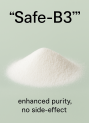
Safe-B3™ (Vitamin B3, Niacinamide)
GlucoBright™ (Acetyl Glucosamine)
Pro Polymer™ (Gel Maker)
Zinc PCA
Hi-EGCG™ (Green Tea Extract)