Gel Formulation Issues: Yellow Color and White Particles
Asked by: tonlektonlek
On: March 25, 2017
Product Type:
Cosmetics
Answered
Question
I have tested a gel formulation with [Aloe Vera Extract] and other ingredients. The resulting gel is yellow and contains small white particles (like they didn't dissolve completely). I have the following questions:
- Which ingredient causes the yellow color?
- What causes the small white particles?
- Is the combination of ingredients I used suitable? Should I add or remove any ingredients?
Here are the active ingredients used:
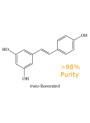
- [Resveratrol] 5%
- [GlucoBright] 4%
- [Bisabolol] 1%
- [Zinc PCA] 1%
- [Safe-B3] 5%
- [Pep-Coll] 3%
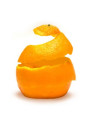
- [Orange Peel Extract] 3%
- [Hydrogenated Lecithin] 2%
Answer
Regarding your gel formulation which turned yellow and has small white particles, here's an analysis:
Formulation Analysis
- Yellow Color: The yellow color in your gel is most likely due to the Orange Peel Extract you used at 3%. This ingredient is naturally a light yellow powder and can impart color to the final product.
- Small White Particles: The white particles are likely undissolved ingredients. Based on your list and typical properties:
- Hydrogenated Lecithin is a powder that disperses in oil, not water-soluble. Using it at 2% in a water-based gel without proper emulsification or encapsulation techniques is the most probable cause of undissolved white particles.
- Resveratrol (powder form) is not water-soluble and requires specific solvents like Ethanol or Ethoxydiglycol for proper dissolution. If not fully dissolved using a suitable solvent before adding to the gel base, it would remain as white particles.
- Other water-soluble powders like GlucoBright, Zinc PCA, and Safe-B3 could also contribute if they were not fully dissolved during the mixing process. Ensure these are completely dissolved in the water phase. Note that Zinc PCA's solubility is best at pH 4-6, so checking and adjusting the final pH is important.
- Ingredient Suitability: The combination of active ingredients you chose (including Aloe Vera Extract, Resveratrol, GlucoBright, Bisabolol, Zinc PCA, Safe-B3, Pep-Coll, and Orange Peel Extract) targets a wide range of skin benefits, such as anti-aging, brightening, anti-inflammatory, and oil control. The selection of actives is good in terms of targeting multiple concerns.
Recommendations for Improvement
To achieve a clear, stable gel without particles:
- Address White Particles:
- Re-evaluate the use of Hydrogenated Lecithin in this water-based gel. It is typically used in oil-based systems or for encapsulation. If its function is critical, consider if your gel system can properly emulsify or disperse it, or explore alternative ingredients.
- Ensure Resveratrol is fully dissolved in a suitable solvent (like Ethoxydiglycol) before incorporating it into the water phase.
- Make sure all water-soluble powders (GlucoBright, Zinc PCA, Safe-B3) are completely dissolved in the water phase. Gentle warming can help, but avoid prolonged high heat. Check the final pH to optimize Zinc PCA solubility (ideally pH 4-6).
- Address Yellow Color: If a colorless gel is desired, the yellow is likely from the Orange Peel Extract. You might need to use a decolorized version or a different ingredient.
- Mixing Process: Ensure thorough mixing at each step to facilitate dissolution and dispersion of ingredients.
By adjusting the formulation method, particularly regarding the solubility of Resveratrol and the use of Hydrogenated Lecithin, you should be able to achieve a clearer, more uniform gel.
Related Products Mentioned
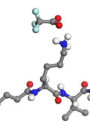
Pep®-Coll (Palmitoyl tripeptide-5)
Cosmetics
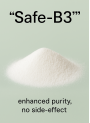
Safe-B3™ (Vitamin B3, Niacinamide)
Cosmetics
Natural Bisabolol (Brazil Chamomile)
Cosmetics
GlucoBright™ (Acetyl Glucosamine)
Cosmetics
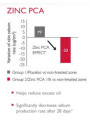
Zinc PCA
Cosmetics
Trans-Resveratrol (Powder, 98%)
Cosmetics