Gel Formulation Questions: Mixing, Stability, and Stickiness
Question
I have a gel formulation with the following ingredients:
Past A
DI Water 62.8%
Disodium EDTA 0.2%
Safe-B3 5%
GlucoBright 4%
Wrinkle-Lax 0.5%
Panthenol (Pro Vitamin B5 )2%
Rose (Rosa Damascena) Extract 5%
Quick-Coll 2%
ActiveProtec OX 1%
Pep-Coll 3%
Pro Polymer 1.5%
Past B
Activated Resorcinol 1%
MSH White 1%
Ultra Solve HPS 5%
Past C
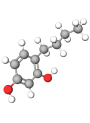
DMAE 5%
Mild Preserved Eco 1%
(I want a clear, easy-to-spread gel texture, avoiding oil-based ingredients as I have oily skin).
My questions are:
- Can this formula be mixed manually?
- Will the formula be stable?
- Will the resulting formula be sticky?
- Do you have any recommendations for adjusting the formula (increasing or decreasing ingredients)?
Answer
Formula Analysis and Recommendations
This formula is designed as a water-based gel, which aligns with your goal of avoiding oils for oily skin. It contains several active ingredients targeting various concerns like wrinkles, skin brightening, and hydration, along with a gel-forming agent, chelating agent, solubilizer, antioxidant, and preservative.
Here are the answers to your specific questions:
1. Can the formula be mixed manually?
Manual mixing is possible but not ideal for this formula. The main challenge will be properly dissolving the Pro Polymer to create a smooth, lump-free gel and effectively solubilizing the oil-soluble ingredients (Activated Resorcinol, MSH White) using Ultra Solve HPS.
- Pro Polymer: This gel maker requires thorough dispersion and hydration to form a consistent gel. Manual stirring will take a significant amount of time and effort compared to using a mechanical mixer. The product description suggests letting it hydrate for a day after initial dispersion if not using high shear.
- Activated Resorcinol and MSH White: These are powders that need to be dissolved in
Ultra Solve HPS, potentially with gentle heating (around 80°C according to theMSH Whitedescription) before being added to the water phase. Achieving complete dissolution and a stable mixture manually might be difficult.
For best results in terms of texture and stability, using a low-speed mechanical mixer (like a hand blender or overhead stirrer) is highly recommended, especially for the gel-forming and solubilizing steps.
2. Will the formula be stable?
The stability of this formula depends heavily on the mixing process and proper formulation techniques.
- Ingredient Compatibility: Most ingredients are water-soluble and generally compatible. However,
Pro Polymer's gel-forming ability can be affected by electrolytes. This formula contains several potential electrolytes (Disodium EDTA,ActiveProtec OX, components inQuick-Coll). WhilePro Polymerhas good electrolyte resistance, the cumulative effect at these concentrations needs to be tested. - Solubilization: Ensuring
Activated ResorcinolandMSH Whiteare fully dissolved and stably incorporated byUltra Solve HPSis crucial. Incomplete solubilization can lead to precipitation or separation over time. - Light Sensitivity:
Activated Resorcinolis light-sensitive and can cause the formula to discolor.ActiveProtec OXis included to help prevent this, but storing the finished product in an opaque container is strongly recommended for long-term color stability. - Preservation:
Mild Preserved Ecoprovides microbial preservation, which is essential for product safety and shelf life.
Overall, while the ingredients are generally stable, the final formula's stability (viscosity, appearance, efficacy) needs to be confirmed through proper stability testing (e.g., observing changes over time at different temperatures).
3. Will the resulting formula be sticky?
Yes, the resulting formula is likely to have some degree of stickiness, especially for oily skin.
- Pro Polymer: At 1.5%,
Pro Polymercan contribute to a slightly sticky or "coating" feel, particularly in the first few seconds after application, as mentioned in its description. - Panthenol: While 2%
Panthenolis within the typical usage range, higher concentrations (above 5%) are noted as potentially causing stickiness. 2% might add slightly to the overall feel. - DMAE: At 5%,
DMAEis at the upper limit of its recommended usage rate before it can become "very icky" (sticky), according to its description. This is the ingredient most likely to contribute significantly to the sticky texture you want to avoid, especially on oily skin.
The combination of Pro Polymer and 5% DMAE makes a sticky feel quite probable.
4. Recommendations for adjusting the formula?
Based on your goal of a clear, easy-to-spread, non-sticky gel for oily skin, here are some recommendations:
- Reduce DMAE Concentration: The 5% concentration of
DMAEis the most likely culprit for stickiness. Consider reducingDMAEto 3% (the recommended usage rate) or even lower (e.g., 1-2%) to significantly reduce tackiness. You can still achieve skin-tightening benefits at lower concentrations, although results might be less pronounced or take longer to appear. - Optimize Pro Polymer Concentration: While 1.5% might be necessary to handle the electrolytes and achieve the desired gel thickness, if reducing
DMAEhelps with overall texture, you might be able to slightly reducePro Polymer(e.g., to 1.0-1.2%) if the gel consistency is too firm or sticky. However, ensure the lower concentration still provides adequate viscosity and stability. - Ensure Proper Mixing: Use a mechanical mixer (hand blender or overhead stirrer) to ensure
Pro Polymeris fully hydrated and the oil-soluble ingredients (Activated Resorcinol,MSH White) are completely dissolved inUltra Solve HPSbefore combining phases. Follow the mixing instructions forPro Polymer(sprinkle slowly into stirring water, avoid high shear) and for dissolvingActivated Resorcinol/MSH WhiteinUltra Solve HPS(potentially with gentle heat). - Check and Adjust pH: After mixing all ingredients, check the pH of the final formula. Many of your active ingredients (Safe-B3, GlucoBright, Activated Resorcinol, Rose Extract) and the preservative (
Mild Preserved Eco) function optimally or are more stable within a specific pH range (generally slightly acidic to neutral, around pH 4.5-7.0).Activated Resorcinolspecifically prefers pH 4.5-5.5. Adjust the pH if necessary to optimize efficacy and stability. - Consider Rose Extract: The description for
Rose (Rosa Damascena) Extractindicates it's primarily for fragrance/marketing and lacks proven skin efficacy. If you are focused purely on performance, you could potentially omit this ingredient. If you like the natural scent, you can keep it, but understand its role is likely not active on the skin.
By reducing the DMAE concentration and ensuring proper mixing techniques, you can likely achieve a less sticky gel texture more suitable for oily skin, while still benefiting from the other active ingredients.
Related Products Mentioned
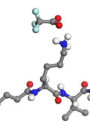
Pep®-Coll (Palmitoyl tripeptide-5)
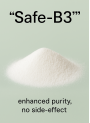
Safe-B3™ (Vitamin B3, Niacinamide)
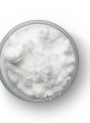
GlucoBright™ (Acetyl Glucosamine)
Disodium EDTA
Pro Polymer™ (Gel Maker)
DMAE (SkinTight MD™) Liquid
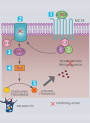
MSH White™ (Undecylenoyl phenylalanine)
Mild Preserved Eco™ (Preservative-Free)
Wrinkle-Lax™ คลายริ้วรอย
Quick-Coll®

Ultra Solve™