Gel Formulation Separation, Preservatives, and Gel Maker Comparison
Question
My gel formulation, which contains natural extracts (Aloe Vera, Tomato, Sea Kelp, Grape Seed) and uses Phenoxyethanol as a preservative, separated/became liquid after about a month. What caused this issue? I would also like to know the differences in texture and properties between the following gel makers:
TaraGelPro PolymerAnyGelPullulanSatin Cream Maker
Can I use Glycerin Gel as a replacement for Pro Polymer in my formula?
Answer
Gel Formulation Issues and Gel Maker Comparison
It appears the separation issue you experienced with your gel formulation after about a month is likely due to microbial contamination, as suggested by the staff. The preservative you used, Phenoxyethanol, is effective against bacteria but less so against fungi. Formulas containing a high percentage of natural extracts, like yours with Aloe Vera, Tomato, Sea Kelp, and Grape Seed extracts, are more prone to microbial growth.
To prevent this issue in the future, it is recommended to use a broad-spectrum preservative that is effective against both bacteria and fungi. Phenoxyethanol SA is a good option for this purpose.
Gel Maker Texture Differences
Here's a comparison of the texture characteristics of the gel makers you mentioned:
- TaraGel (Caesalpinia Spinosa Gum): You noted this creates a thick gel. Information suggests it provides a good gel texture, though it might result in a cloudy appearance.
- Pro Polymer (Acrylates/C10-30 Alkyl Acrylate Crosspolymer): This gel maker can create a creamy, pudding-like texture at higher concentrations. It initially feels sticky but dries to a thin coating on the skin. It offers good resistance to electrolytes.
- AnyGel (Dehydroxanthan Gum): Known for creating a non-greasy gel texture that absorbs quickly and feels dry on the skin. It also has good resistance to acids, alkalis, and electrolytes.
- Pullulan: This ingredient is primarily used for its film-forming properties, creating a thin film on the skin for a temporary tightening effect. While it contributes to viscosity, it's not typically used as the sole primary gelling agent for a thick gel base in the same way as Carbomers or Gums.
- Satin Cream Maker (Sodium Acrylates Copolymer): This functions as both an emulsifier and thickener, creating a soft, smooth, pearl-white cream texture. It's suitable for formulas with an oil phase (up to 25%) and is electrolyte resistant. While it can thicken water phases, its primary strength lies in creating cream textures.
Using Glycerin Gel as a Replacement
Yes, you can use Glycerin Gel (Glyceryl Polyacrylate) in your formula. Glycerin Gel is a moisturizing gel base that mixes easily with water. If you replace Pro Polymer with Glycerin Gel, the resulting texture will likely be softer and more focused on providing moisturization due to the high Glycerin content. The viscosity might be different depending on the usage rate compared to Pro Polymer. The staff also noted a preference for the texture of TaraGel over Glycerin Gel, although they liked the clear appearance of Glycerin Gel more than the potentially cloudy appearance of TaraGel.
Consider the desired final texture and feel when choosing between these gel makers. For a non-greasy, quick-absorbing gel, AnyGel might be suitable. If you prefer a texture with a slight coating feel, Pro Polymer could work. For a moisturizing base, Glycerin Gel is an option, but the texture will differ from Pro Polymer.
Related Products Mentioned
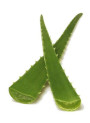

Sea Kelp Extract
Glycerin (USP/Food Grade)
Phenoxyethanol (Extra Pure)
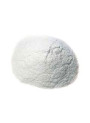
Disodium EDTA
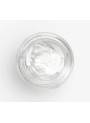
Pro Polymer™ (Gel Maker)

Satin Cream Maker™
Pullulan (High Viscosity)

Phenoxyethanol SA (eq. Optiphen Plus)

Tomato Extract (Lycopene)
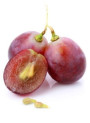
Grape Seed Extract (Proanthocyanidins)
Rose Water (Rosa Damascena)
AnyGel™ (Dehydroxanthan Gum)
Poly-Protect (Hydrolyzed Sclerotium Gum)
Glycerin Gel (Glyceryl Polyacrylate)