Gel Formulation with LHA, Zinc PCA, B3, B6: Texture, Color, and Preservation
Question
I am developing a clear gel formulation for oily skin with the following ingredients:
- LHA (Capryloyl Salicylic Acid) 10%
- Cyclomethicone 5%
- Allantoin 0.5%
- Pro Polymer 2%
- Vitamin B6 (Pyridoxine Hydrochloride) 2%
- Zinc PCA 1%
- Vitamin B3 (Niacinamide) 4%
I have the following questions regarding this formulation:
- Is this ingredient list suitable for a clear gel for oily skin? Are there any additional recommendations for improving the formula, especially concerning texture (it felt heavy in a previous attempt)?
- Will the gel change color, specifically turn yellow, because LHA is yellow?
- Is it necessary to add a preservative to this formula? If not, what would be the expected shelf life without one?
Answer
Gel Formulation Advice
Here is an evaluation of your proposed gel formula and answers to your questions:
1. Is this ingredient list suitable? Any additional recommendations?
The ingredients you've chosen are beneficial for addressing oiliness and skin concerns. However, there are a few points to consider:
- LHA (Capryloyl Salicylic Acid) 10%: The recommended usage rate for LHA is typically lower, usually not exceeding 2% due to potential skin irritation. Using 10% is very high and likely the reason your previous formula felt heavy and potentially caused oiliness in the morning, as suggested in the forum reply. It's strongly recommended to reduce the LHA concentration to 0.5-2% for better skin tolerance and comfort.
- Cyclomethicone 5%: Cyclomethicone is a silicone that is soluble in oil/silicone, not water. Since you are making a clear gel which is a water-based system thickened with Pro Polymer, Cyclomethicone will not dissolve in the gel base. It will likely separate or make the gel cloudy, and it won't integrate properly. To improve the texture and reduce tackiness in a water-based gel, consider using water-soluble slip agents or powder emollients compatible with water gels, such as those suggested in the forum reply (e.g., Matte Silica or Silisilk, if compatible with a water gel system, or other water-dispersible texture enhancers).
- Allantoin 0.5%: Allantoin has limited solubility in water at room temperature (around 0.5%). If your water phase is less than 100% (which it is, with other ingredients included), 0.5% of the total formula might exceed its solubility limit in the water portion at room temperature, as noted in the forum reply. To ensure it fully dissolves, heat the water phase to 75°C and add Allantoin, stirring until clear, before adding heat-sensitive ingredients.
- Pro Polymer 2%: Pro Polymer is a suitable gel maker for water-based formulas. However, ingredients like Zinc PCA and Vitamin B6 are electrolytes, which can reduce the viscosity of gels made with Pro Polymer. Using 2% might be necessary to achieve the desired gel thickness with these electrolytes present. Follow the mixing instructions for Pro Polymer, potentially adding electrolytes after the gel has formed and being prepared to adjust the Pro Polymer concentration if needed.
- Vitamin B6 (Pyridoxine Hydrochloride) 2%: Vitamin B6 is beneficial for oil control but has a low pH (2-3) and is sensitive to heat and light. It is stable in a pH range of 2-6. Ensure you add it to the water phase without heat and adjust the final formula pH to a range compatible with all ingredients (ideally pH 4-6 for optimal stability and solubility of most ingredients in your list).
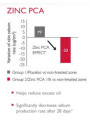
- Zinc PCA 1% and Vitamin B3 (Niacinamide) 4%: These concentrations are within the recommended ranges and are good additions for their benefits in controlling oiliness, reducing inflammation, and improving skin barrier function.
Recommendation: Adjust the formula by significantly reducing LHA, replacing Cyclomethicone with a water-compatible texture enhancer, ensuring Allantoin is dissolved properly, and being mindful of the pH and electrolyte effects on the gel viscosity.
2. Will the gel color change because LHA is yellow?
Yes, Capryloyl Salicylic Acid (LHA) powder is described as White to Light Yellow. Using it at 10% would likely impart a noticeable light yellow color to your gel. Even at a reduced concentration, a slight yellow tint is possible depending on the purity and source of the LHA.
3. Is a preservative needed? How long will it last without one?
Yes, a preservative is definitely needed for this formula. Since the gel is primarily water-based and contains multiple ingredients, it is highly susceptible to microbial contamination (bacteria, mold, yeast). While some ingredients like BHA have some antimicrobial properties, LHA's properties in this regard are not clearly established, and even BHA formulas often require additional preservation, as mentioned in the forum reply. Without a proper preservative system, your gel could become contaminated and unsafe to use very quickly, potentially within days or a week, especially if exposed to air or fingers.
Adding a suitable broad-spectrum preservative system at the recommended usage rate and within the compatible pH range of your formula is crucial for safety and extending the shelf life. With proper preservation and storage, a cosmetic product can typically last 1-2 years.
To summarize, while the concept of a lighter gel is good, the proposed formula needs adjustments, particularly regarding LHA concentration and the inclusion of Cyclomethicone. Proper preservation is essential for safety and longevity.
Related Products Mentioned
Safe-B3™ (Vitamin B3, Niacinamide)
Allantoin
Pro Polymer™ (Gel Maker)
Zinc PCA