Gel Makers for Clear Sunscreen Gel Formulation
Question
I am trying to make a clear gel sunscreen using the following formula:
- Water = remaining part
- Bisdisulizole Disodium = 5%
- Ensulizole = 8%
- Triethanolamine = 20%
- Citric Acid = 5%
- Preservative = 1%
After mixing all ingredients, I tried using the following gelling agents but could not form a gel:
- AnyGel (Dehydroxanthan Gum) 2%
- Pro Polymer (Acrylates/C10-30 Alkyl Acrylate Crosspolymer) 2%
- Satin Cream Maker (Sodium Acrylates Copolymer) 2%
Could you please recommend a suitable gelling agent to create a clear gel texture for this sunscreen formula?
Answer
Gel Makers for Clear Sunscreen Gel
Thank you for your question regarding your clear gel sunscreen formulation. It appears you are encountering difficulties in achieving a gel texture with the ingredients you are using.
Your formula contains a high concentration of active ingredients, including water-soluble sunscreens Bisdisulizole Disodium and Ensulizole, along with significant amounts of Triethanolamine and Citric Acid. This combination results in a high electrolyte load in the formula. Many common gel makers are sensitive to electrolytes, which can interfere with their ability to thicken and form a stable gel.
The high percentages of Triethanolamine (20%) and Citric Acid (5%) are also unusual for a cosmetic formulation and contribute significantly to the electrolyte concentration and can lead to pH challenges. Triethanolamine is typically used in much lower concentrations (up to 2.5% for the 99% purity grade) primarily for pH adjustment.
You have tried AnyGel (Dehydroxanthan Gum), Pro Polymer (Acrylates/C10-30 Alkyl Acrylate Crosspolymer), and Satin Cream Maker (Sodium Acrylates Copolymer) at 2% without success. While AnyGel and Pro Polymer are known for their electrolyte resistance, the concentration of electrolytes in your specific formula might be too high for this usage rate.
To successfully create a clear gel with your formula, you will need a gel maker that is highly tolerant to electrolytes and works effectively within the pH range of your final mixture. Based on the properties of various gel makers, we recommend considering the following options, which are known for their electrolyte tolerance:
- Sepimax Zen (Polyacrylate Crosspolymer-6): This is a highly salt and pH tolerant thickener that can create a clear gel texture in the water phase. You may need to use it at the higher end of its recommended usage rate (0.5-2%) or slightly above, depending on the final electrolyte concentration and pH of your formula.
- Carbomer Ultrez 30 (Carbomer): This type of carbomer is designed to be electrolyte tolerant and works over a wide pH range (4-12). Similar to Sepimax Zen, you might need to use a higher concentration than the typical 0.1-2% to achieve the desired gel viscosity in your formula.
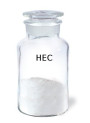
- Hydroxyethyl Cellulose (HEC): This is a non-ionic gel-forming agent, which means it is not affected by electrolytes. It is suitable for formulations containing electrolytes and works in a pH range of 3-9. You could try using it within its recommended usage rate of 0.5-3%.
When incorporating these gel makers, ensure they are properly dispersed and hydrated according to their specific instructions. Given the complexity of your formula and the high electrolyte content, achieving a stable, clear gel may require some experimentation with the concentration of the chosen gel maker.
We also recommend carefully reviewing the percentages of Triethanolamine and Citric Acid in your formula, as these levels are unusually high and could be contributing to the gelling difficulties and potentially affecting the stability and skin compatibility of the final product.
Related Products Mentioned
Triethanolamine 99%
Pro Polymer™ (Gel Maker)

Satin Cream Maker™
AnyGel™ (Dehydroxanthan Gum)
Citric Acid (Anhydrous, Natural)