Gel Mask Formulation Issue: Foaming and Texture Problem with Lactic Acid 10%
Question
Hello, I am making a skin gel mask with Lactic Acid 10% and encountered issues. Could you please review and advise?
My formulation is as follows:
- Lactic Acid: 10%
- Triethanolamine (for pH adjustment): 2% (adjusted pH to 3.5, not lower)
- Vitamin B5: 5%
- Glycerin: 5%
- Propylene Glycol: 3%
- Phenoxyethanol (Preservative): 1%
- Hydroxyethyl Cellulose (Gelling Agent): 1.5% (ran out, needed another)
- Pro Polymer (Acrylate Crosspolymer) (Gelling Agent): 1.5%
- Water: 71%
My process was:
- Boiled water and added Hydroxyethyl Cellulose, mixing with an egg beater. This caused foaming.
- Let it cool.
- Added Pro Polymer powder and mixed with an egg beater.
- Combined everything.
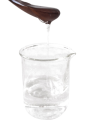
The resulting texture is problematic as shown in the attached image (foamy/not smooth). Please help me understand what went wrong.
Answer
Lactic Acid 10% Gel Mask Formulation Issues and Recommended Steps
Hello! I understand you are making a skin gel mask with 10% Lactic Acid and encountered issues with the texture. I will review your ingredients and process to help identify the problem.
Based on the ingredients and steps you described, the issues with your gel texture (likely not smooth, possibly lumpy or foamy) may stem from the method of preparing the gelling agents and mixing certain ingredients.
Potential Issues:
- Hydroxyethyl Cellulose (HEC) Preparation: HEC should be dispersed in water at room temperature to lukewarm (around 60-70°C according to product information). Using boiling water can cause the HEC to clump and not hydrate properly.
- Using an Egg Beater: Using a high-speed mixer like an egg beater, especially during the gelling agent preparation steps, incorporates a large amount of air into the gel. These air bubbles can remain trapped, making the gel appear cloudy or non-uniform.
- Mixing Pro Polymer: Pro Polymer (Acrylates/C10-30 Alkyl Acrylate Crosspolymer) is a gelling agent that typically requires neutralization with a base (like Triethanolamine) to fully develop its gel structure. Adding Pro Polymer powder and mixing vigorously without proper neutralization can result in incomplete thickening, and high-speed mixing also causes foaming.
- Order of Addition: Adding acidic ingredients (Lactic Acid) before the gelling agents, particularly Pro Polymer, have fully hydrated and thickened can interfere with the gelling process of Pro Polymer.
To achieve a smoother gel texture with fewer air bubbles, consider adjusting the order and method of mixing as follows:
Recommended Steps (Revised from your process):
- Prepare Gel Base Part 1 (HEC):
- Use a portion of the water (about 30-40% of the total water). Warm it to approximately 60-70°C.
- Slowly sprinkle the Hydroxyethyl Cellulose powder onto the surface of the warm water while stirring or mixing at low to medium speed (avoid vigorous beating). Continue stirring until the HEC is fully dispersed and starts to form a clear gel. Let it cool down.
- Prepare Gel Base Part 2 (Pro Polymer):
- Use the remaining water. Disperse the Pro Polymer powder in the water. Stir or mix at low speed to ensure the powder is fully dispersed (the mixture will not be very thick at this stage).
- Combine Gel Bases and Initial pH Adjustment (for Pro Polymer):
- Slowly pour the cooled HEC gel base into the Pro Polymer dispersion. Stir to combine.
- Gradually add Triethanolamine drop by drop to the combined gelling agent mixture. Stir well after each addition until the gel starts to thicken and become clearer (Triethanolamine helps neutralize and thicken Pro Polymer).
- Add Other Ingredients:
- When you have a well-formed gel base, slowly add Glycerin, Propylene Glycol, and Vitamin B5. Stir until fully incorporated.
- Gradually add the Lactic Acid. Stir until homogeneous.
- Final pH Adjustment:
- Measure the pH of the gel. Slowly add very small amounts of Triethanolamine, stirring well after each addition and re-measuring the pH, until you reach your target pH of 3.5.
- Add Preservative:
- Add Phenoxyethanol and stir until fully mixed.
- Rest the Gel:
- When all ingredients are mixed, it is advisable to let the gel sit undisturbed for a while to allow any trapped air bubbles to dissipate. The gel should become clearer and smoother.
Additional Considerations:
- Vitamin B5 at 5% concentration can contribute to a slightly sticky feel in the final gel.
- Using Lactic Acid 10% at pH 3.5 is a relatively high concentration and low pH for a leave-on product like a mask. It is highly recommended to perform a patch test on a small area of skin before applying it to the entire face, and to avoid strong sun exposure after use.
Adjusting your gelling agent preparation method and following a proper mixing order should help you achieve a smoother and more stable gel texture.
Related Products Mentioned
Propylene Glycol (USP)
Triethanolamine 99%
Glycerin (USP/Food Grade)
Phenoxyethanol (Extra Pure)
Pro Polymer™ (Gel Maker)
Hydroxyethyl Cellulose (HEC) (4500mPa.s)
Lactic Acid (AHA) 90%