Gel Massage Oil Formulation: Ingredient Suitability and Stability
Question
I want to make a massage oil in gel form that can also nourish the skin. I would like to ask if the raw materials I have prepared are suitable for this purpose. If any should be changed or added, please advise.
The raw materials prepared are:
Part 1 - Natural oils (approximately 80-85% of the formula)
Part 2 - Active Ingredients: White Cumin, Vitamin C, E
Part 3 - Solvent: Distilled Water (approximately 10% of the formula)
Part 4 - Moisturizer: Glycerin (small amount)
Part 5 - Oil Gellant: Sugar Gel
Part 6 - Fragrance and Flora Fix (fragrance fixative)
Part 7 - Preservative: Mild Preserved Eco
Based on the information I saw, can Sugar Gel create a clear gel texture and help emulsify water into the formula? Or should I use any other emulsifier? Is it necessary to include Protec OX or EDTA in the formula?
Answer
Gel Massage Oil Formulation Feedback
Based on your proposed raw materials for a gel massage oil with nourishing properties, here is an evaluation and recommendations:
Formula Structure and Gel Texture
Your plan involves a high oil phase (80-85%) and a water phase (10%). Using Sugar Gel (Sucrose Stearate/Sucrose Palmitate) as the gelling agent for the oil phase is suitable for creating a gelled oil texture. Sugar Gel can also function as a water-in-oil (W/O) emulsifier, allowing you to incorporate a small amount of water into the oil.
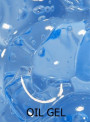
However, it is important to note that Sugar Gel will not create a clear gel when a water phase is present. The resulting product will likely be a translucent or opaque gelled emulsion (W/O type). If a clear gel is essential, you would need to formulate it as an anhydrous (water-free) oil gel.
The mixing method for Sugar Gel typically involves heating both the oil phase and a mixture of Sugar Gel, Glycerin, and water to around 70-80°C and slowly combining them with continuous stirring.
Active Ingredients and Stability
- White Cumin (Tetrahydrodiferuloylmethane) and Vitamin E (dl-alpha tocopherol) are suitable oil-soluble or oil-dispersible actives that provide antioxidant and skin nourishing benefits within the oil phase.
- Vitamin C (L-Ascorbic Acid) is a potent active but is highly unstable in the presence of water, especially at typical cosmetic pH levels. Including 10% distilled water and L-Ascorbic Acid in this formula structure will significantly limit its shelf life and efficacy due to oxidation, which can also cause discoloration.
- Recommendation: If Vitamin C is a key active, consider using a more stable, oil-soluble derivative like Ascorbyl Tetraisopalmitate, or formulate the product as an anhydrous serum or balm to maintain L-Ascorbic Acid stability. If you keep L-Ascorbic Acid and the water phase, be aware of the stability limitations and recommend storing the product properly (e.g., in a cool, dark place).
Other Components
- Natural Oils: These form the bulk of your product and provide the massage medium and skin benefits.
- Distilled Water: Necessary for dissolving water-soluble ingredients like Glycerin and L-Ascorbic Acid, but as mentioned, it impacts the clarity and Vitamin C stability.
- Glycerin: A good humectant that adds moisturizing properties and helps dissolve Sugar Gel and water-soluble actives.
- Fragrance and Flora Fix: These can be added to provide scent and improve fragrance longevity. Ensure the fragrance is compatible with the oil base.
- Mild Preserved Eco: This preservative blend is suitable for protecting your formula from microbial growth, especially given the presence of a water phase. It can be incorporated into the formula as per the supplier's instructions.
Necessity of Protec OX and EDTA
Yes, both Protec OX and EDTA are highly recommended additions to your formula for enhanced stability:
- Protec OX (Pentaerythrityl tetra-di-t-butyl hydroxyhydrocinnamate) is a powerful oil-soluble antioxidant. It is crucial for protecting the natural oils in your formula from oxidation (rancidity) and also helps protect oil-soluble actives like Vitamin E and White Cumin.
- EDTA (Disodium EDTA) is a water-soluble chelating agent. It works by binding to metal ions that might be present in the water or other raw materials. These metal ions can catalyze oxidation reactions, which are particularly detrimental to the stability of Vitamin C and can lead to discoloration. Since you have a water phase and are using Vitamin C, adding EDTA is very important for maintaining stability.
Conclusion
Your proposed raw materials can create a gelled massage oil with nourishing properties. Sugar Gel is suitable for gelling the oil phase and incorporating a small water phase, resulting in a translucent/opaque gelled emulsion. The main challenge is the stability of L-Ascorbic Acid in the water-containing formula. Adding both Protec OX and EDTA is strongly recommended to protect the oils, actives, and improve overall product stability. Consider using a stable Vitamin C derivative or an anhydrous formula if clarity and maximum Vitamin C efficacy are primary goals.
Related Products Mentioned
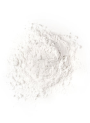
Vitamin C (L-ascorbic acid) (Ultra-Fine)
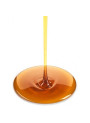
Vitamin E (dl-alpha tocopherol)
Glycerin (USP/Food Grade)
Disodium EDTA