Gel Sunscreen Formulation for Oily, Acne-Prone Skin
Question
I am trying to create a gel sunscreen for oily, acne-prone skin. My current formula resulted in a creamy texture. I have several questions about refining the formulation:
- How can I adjust the formula to achieve a more gel-like texture?
- Can I add Essential Oil for fragrance? Is it suitable for acne-prone skin? What is the correct step to add it?
- If I omit
Matte Silica, will the gel be clear, or willSPF Protect Ultrastill cause cloudiness?
Answer
Gel Sunscreen Formulation Advice
You're looking to create a gel-based sunscreen for oily, acne-prone skin and want to refine your current formula which resulted in a creamy texture. Let's address your questions based on the ingredients you used and the properties of gel formulations.
Your current formula includes oil-soluble sunscreen (SPF Protect Ultra) and powder (Matte Silica), which are the primary reasons your texture is creamy rather than a clear gel. True gels are typically water-based systems where all components are dissolved or finely dispersed in water.
1) How to make the texture more gel-like?
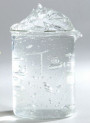
To achieve a true gel texture, you need to use water-soluble ingredients. The SPF Protect Ultra you used is oil-soluble, which creates an emulsion (cream) when combined with water and a gelling agent like Pro Polymer. To make a gel sunscreen, you should replace the oil-soluble sunscreen with a water-soluble sunscreen agent. Ensulizole is a good example of a water-soluble UVB sunscreen that can be used in clear gel formulations, as suggested in the previous reply.
Your current gelling agent, Pro Polymer, is suitable for creating gel textures in water-based formulas. However, its ability to create a clear gel will be affected by non-water-soluble ingredients.
2) Can Essential Oils be added? Are they suitable for acne-prone skin? When to add?
Essential oils are generally oil-soluble and can be problematic for acne-prone skin as they may clog pores or cause irritation, especially if used at high concentrations or if the skin is sensitive. If you wish to add fragrance, consider using water-soluble fragrance oils specifically designed for cosmetic use and suitable for sensitive skin.
If you still choose to use essential oils, they would typically need to be solubilized in the water phase using a suitable solubilizer before being added to the gel, or incorporated into a small oil phase if your formula contained one (which a true gel does not). Adding them directly to a water gel at the end will likely cause them to separate and potentially destabilize the gel.
For acne-prone skin, it's often best to avoid added fragrances, including essential oils, to minimize potential irritation.
3) Will the gel be clear if Matte Silica is omitted? Or will SPF Protect Ultra still make it cloudy?
Omitting Matte Silica will help improve clarity, as silica powders can make gels cloudy. However, the main factor preventing a clear gel in your original formula is the presence of SPF Protect Ultra. Since SPF Protect Ultra is oil-soluble, it forms dispersed droplets in the water phase, making the product opaque or creamy, not clear. To get a clear gel, you must use a water-soluble sunscreen like Ensulizole and ensure all other ingredients are also water-soluble or properly solubilized without affecting clarity.
Vitara Aloe Vera Plus Panthenol Gel Formulation
You observed that the Vitara gel uses Carbomer with Aloe Vera despite Carbomer typically being sensitive to electrolytes, and Aloe Vera being a natural electrolyte. This is possible because there are different types of Carbomers. Some Carbomer grades, such as Carbomer Ultrez 30 or Carbomer 1342, are specifically designed to have good electrolyte tolerance. The manufacturer likely used one of these electrolyte-tolerant Carbomers or a combination of thickeners to achieve the desired stable gel texture with Aloe Vera extract. The cooling sensation is likely due to the high water content and potentially other ingredients in their specific formula.
Summary and Recommendations
To achieve a gel-based sunscreen for oily, acne-prone skin with a clear texture similar to a water gel, consider the following modifications:
- Replace the sunscreen: Substitute the oil-soluble
SPF Protect Ultrawith a water-soluble sunscreen likeEnsulizole. - Omit or replace Matte Silica: Remove
Matte Silicaif clarity is desired, or use a different ingredient for oil absorption that is compatible with clear gels. - Refine gelling agent: Continue using
Pro Polymeror explore electrolyte-tolerant Carbomers likeCarbomer Ultrez 30orCarbomer 1342if your formula includes other electrolytes besides Aloe Vera. - Fragrance: Avoid essential oils for acne-prone skin. If fragrance is desired, use a water-soluble cosmetic fragrance suitable for sensitive skin and incorporate it correctly.
By focusing on water-soluble ingredients, particularly the sunscreen, you can create a true gel texture. Remember to adjust the gelling agent concentration to achieve your desired viscosity.
Related Products Mentioned
Pro Polymer™ (Gel Maker)
MatteSilica 5™ (5 Micron)
Carbomer 940 (EasyDisperse™, France)