Gentle Cleansing Agents and Usage Percentage for Sensitive Skin Facial Wash
Question
I would like to ask the following questions:
- For sensitive skin facial cleansing products, what is the maximum recommended usage percentage for Sodium Cocoyl Isethionate?
- Are Disodium Cocoyl Glutamate and Sodium Cocoyl Glutamate the same? And for sensitive skin facial cleansing products, what is their maximum recommended usage percentage?
- If using multiple
สารชะล้าง(cleansing agents) together in a sensitive skin facial cleansing product, what is the maximum recommended total percentage?
Answer
Gentle Cleansing Agents for Sensitive Skin
Here are the answers to your questions regarding gentle cleansing agents for sensitive skin facial cleansers:
1. Sodium Cocoyl Isethionate Usage for Sensitive Skin
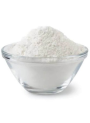
Sodium Cocoyl Isethionate, such as BabyFoam™, is a gentle anionic surfactant suitable for sensitive skin formulations. For facial cleansing products, especially for sensitive skin, a usage rate typically ranges from 5% to 20%. While the general usage range can go up to 60% for various cleansing products, keeping the concentration lower is recommended for maximum gentleness on sensitive facial skin.
2. Disodium Cocoyl Glutamate vs Sodium Cocoyl Glutamate and Usage
Disodium Cocoyl Glutamate and Sodium Cocoyl Glutamate are related but distinct amino acid-derived surfactants. Both are known for their mildness.
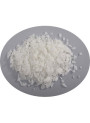
- Disodium Cocoyl Glutamate, like Gluta-Clean™, is a gentle, sulfate-free detergent that provides good foam. It is suitable for facial cleansing products. The recommended usage rate for Gluta-Clean™ is 5-40%, with 20-40% suggested when used as the primary surfactant. For sensitive skin, this surfactant is a good choice due to its mildness, but the final formula's pH should be adjusted to a slightly acidic range (pH 5-6) for optimal skin compatibility.
- Sodium Cocoyl Glutamate is another salt form and also a gentle surfactant. While not specifically detailed in the product descriptions found, it shares similar mild properties with Disodium Cocoyl Glutamate.
Both are considered gentle options for sensitive skin, and the specific choice might depend on formulation needs (e.g., solubility, desired foam characteristics).
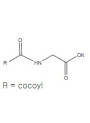
Other gentle amino acid-derived surfactants you might consider include Sodium Cocoyl Glycinate and Potassium Cocoyl Glycinate.
3. Total Surfactant Percentage in Sensitive Skin Facial Cleansers
When using multiple surfactants in a facial cleanser for sensitive skin, there isn't a single strict maximum percentage for the total blend. The appropriate total concentration depends on:
- The specific types of surfactants used (some are milder than others).
- The desired cleansing strength and foam level.
- The presence of other ingredients that can mitigate irritation (e.g., humectants, emollients).
However, for a gentle facial cleanser aimed at sensitive skin, the total active surfactant matter is typically kept lower compared to general body washes or shampoos. A common range for the total active surfactant concentration in gentle facial cleansers might be around 10% to 20%. It is crucial to test the final formulation for skin compatibility and adjust the total surfactant concentration and blend ratio to achieve the desired mildness and performance. Always start with lower concentrations and increase if needed, while monitoring for any signs of irritation.