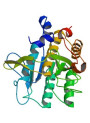
Gentle Enzymatic Face Exfoliation using Protease Enzyme
Question
Gentle Face Exfoliation Alternative
I am looking for a gentle method for facial exfoliation as I am concerned about the harshness of traditional scrubs. I am particularly worried about ingredients like:
- Baking soda (due to high pH)
- Lemon (due to photosensitivity)
- Physical exfoliants such as ground nuts, fruit pits, and rice bran, which I fear could cause micro-tears in the skin.
Could you suggest a gentle alternative, perhaps using an enzyme like Protease Enzyme (ID 1017)?
If so, please provide:
- A recommended formulation (including ingredient names/IDs and percentages).
- Detailed instructions on how to use it safely and effectively, including:
- Recommended concentration (mentioning starting low).
- Mixing method.
- Application method (with or without scrubbing).
- Application duration.
- Frequency of use.
- Any important precautions (e.g., avoiding other exfoliants, moisturizing).
Answer
Subject: Gentle Face Scrub Recommendation
Hello,
Thank you for reaching out and sharing your concerns about your current face scrub routine. You are right to be cautious about ingredients like baking soda due to its high pH and lemon due to its potential to cause photosensitivity. Physical exfoliants like ground nuts or fruit pits can also have sharp edges that may cause micro-tears in the skin, which are not visible but can still cause irritation over time.
Regarding your question about rice bran, it's possible that rice bran particles could also have sharp edges, similar to other natural grain or seed exfoliants, potentially causing similar micro-tears.
Based on the conversation with the staff, a gentler alternative to physical scrubs is enzymatic exfoliation. The staff recommended using Protease Enzyme (ID 1017) as a way to exfoliate the skin without physical scrubbing.
Here's a summary of the recommended approach:
- Method: Use Protease Enzyme (ID 1017) in a gel base.
- Base Options:
- A simple gel base made with Water (ID 838) and Pro Polymer (ID 234), as suggested by staff (e.g., Water 98.5%, Pro Polymer 0.5%).
- Pure Aloe Vera Gel (ID 80) can also be used as a base (e.g., Aloe Vera Gel 99%).
- Protease Enzyme Concentration: Add Protease Enzyme at a concentration of up to 1%. However, as advised by C7, it is highly recommended to start with a lower concentration (e.g., 0.2% as mentioned in the product description snippet in the original thread) to see how your skin reacts before increasing it. Using more than 1% can be harmful.
- Usage: Mix the Protease Enzyme into the base just before use, as the enzyme is only active for about 15 minutes once mixed with water. Apply the mixture to your face. You do not need to scrub; the enzyme works on its own. You can either rinse it off after a short period (e.g., 10-15 minutes) or leave it on for that duration, depending on your preference and skin sensitivity.
- Frequency: Do not use this daily. Use it sparingly, perhaps once every 3 days or less frequently, depending on your skin's needs and tolerance.
- Important Precautions:
- Do not exceed 1% Protease Enzyme. Start low.
- Avoid using other physical or chemical exfoliants (like AHAs, BHAs, or other scrubs) at the same time or immediately after using the enzyme treatment.
- Ensure thorough moisturizing after using the enzyme treatment, especially if using a higher concentration or more frequently.
This enzymatic method offers a way to achieve smoother skin by gently breaking down dead skin cells without the potential physical abrasion issues associated with traditional scrubs.
Relevant Product IDs mentioned in the conversation include: 610, 169, 721, 838, 234, 1017, 80.
We hope this information is helpful!
Best regards,
MySkinRecipes Team
Related Products Mentioned

Pure Aloe Vera Gel (ไม่ใช่เครื่องสำอาง)
Fractionated Coconut Oil
Pro Polymer™ (Gel Maker)
Sodium Bicarbonate

Purified Water, TDS Limit 1PPM)