Gentle Eye Makeup Remover Formulation to Prevent Stinging
Question
My current cleansing water formula causes eye stinging. The formula contains:
- Water
PEG-6Butylene GlycolPhenoxyethanol S/A
I am considering creating a separate eye makeup remover with the following formula:
- Water
PEG-6Butylene GlycolEye Preserved™
Will this proposed eye makeup remover formula work effectively and be gentle, or should I focus on modifying my existing cleansing water formula to reduce eye stinging?
Answer
Formulating a Gentle Eye Makeup Remover
It appears you're experiencing eye stinging with your current cleansing water formula, even after reducing the concentration. This is a common issue with certain surfactants used in cleansing products. You're asking if your proposed separate eye remover formula would work or if you should modify your existing cleansing water.
Based on the ingredients in your current formula (Water, PEG-6, Butylene Glycol, Phenoxyethanol S/A) and the proposed eye remover formula (Water, PEG-6, Butylene Glycol, Eye Preserved™), as well as the reply you received, the most likely culprits for eye stinging are the PEG-based surfactants like PEG-6 and PEG-7 (often referred to as Make-Up Wash and Coco Wash). Reducing their concentration might lessen the stinging, but it may not eliminate it entirely if your eyes are sensitive to these specific ingredients.
Your proposed separate eye remover formula still includes PEG-6, so it is likely to cause similar irritation. Additionally, Polyaminopropyl Biguanide (which appears to be the ingredient referred to as Eye Preserved™ based on the search results) is primarily a preservative, not a cleansing agent. While it is considered mild, it won't effectively remove makeup on its own. Butylene Glycol is a solvent and humectant, helping to dissolve ingredients and provide moisture, but it's also not a primary cleansing ingredient. Phenoxyethanol and Phenoxyethanol SA are preservatives suitable for eye products at low concentrations (typically no more than 0.5%).
To create a gentle and effective eye makeup remover, you should consider formulations that use surfactants known for their mildness around the eye area. Two common and effective approaches are:
Cleansing Oil: As suggested in the reply you received, an oil-based system can be very effective at dissolving makeup, including waterproof formulas, and can be formulated to be very gentle. Using a suitable emulsifier allows the oil to be rinsed away cleanly with water.
- Oilsify 15 is specifically designed for cleansing oils and is noted for not irritating the eyes, making it suitable for eye makeup remover formulas. A simple cleansing oil could consist of Oilsify 15 mixed with a gentle oil.
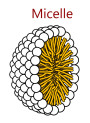
Gentle Micellar Water: If you prefer a water-based remover, choose very mild, non-ionic surfactants that are less likely to cause irritation.
- Polyglyceryl-6 Caprylate is an example of a non-ionic, PEG-free surfactant suitable for micellar cleansing water formulations with a very low irritation level, making it suitable for sensitive skin and the eye area.
In summary, modifying your current formula by simply reducing the concentration of irritating surfactants may not fully solve the stinging issue. Your proposed separate eye remover formula is also likely to cause irritation due to the inclusion of PEG-6 and lacks sufficient primary cleansing agents. For a gentle and effective eye makeup remover, consider formulating a cleansing oil using an eye-safe emulsifier like Oilsify 15 or a gentle micellar water using very mild surfactants such as Polyglyceryl-6 Caprylate.
Other ingredients you mentioned, like Butylene Glycol and preservatives such as Phenoxyethanol, Phenoxyethanol SA, or Polyaminopropyl Biguanide, can be included in eye remover formulas at appropriate concentrations for their intended functions (solvent/humectant and preservation, respectively) once the primary cleansing system is selected to be eye-friendly.
Related Products Mentioned
Phenoxyethanol (Extra Pure)
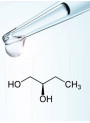
Butylene Glycol

Phenoxyethanol SA (eq. Optiphen Plus)
Polyglyceryl-6 Caprylate