Gentle Facial Cleanser Formulation (Addressing High pH)
Question
I am looking for a gentle facial cleanser formulation. I understand that traditional soap-based formulas can have a high pH and cause skin dryness and irritation. Could you provide an alternative formulation using milder surfactants that is suitable for sensitive skin and has a skin-friendly pH (around 5.5-6.5)?
Answer
Gentle Facial Cleanser Formulation (Alternative)
Based on the original formula you provided and the feedback from My Skin Recipes staff regarding the high pH of soap-based cleansers, directly replicating that formula is not ideal for skin health as it can cause dryness and irritation. The original formula relies on the reaction of fatty acids (Stearic Acid, Lauric Acid, Myristic Acid) with Potassium Hydroxide to create soap, which results in a high pH.
Instead, we can formulate a gentle facial cleanser using milder surfactants and beneficial ingredients available from My Skin Recipes, aiming for a skin-friendly pH (typically 5.5-6.5). This approach will cleanse effectively without stripping the skin's natural barrier.
Here is a proposed alternative formulation and mixing method:
Ingredients:
- Phase A (Water Phase):
- Water: 60-70%
- Glycerin: 5%
- Propylene Glycol: 3%
- Disodium EDTA: 0.1%
- Carbomer 980: 0.2-0.5% (adjust for desired thickness)
- Aloe Vera Extract: 1%
- Vitamin B3 (Niacinamide): 2%
- Hydrolyzed Pea Protein: 1%
- Coenzyme Q10 (Water-Soluble): 0.5%
- Phase B (Oil Phase):
- Glyceryl Stearate SE: 2%
- Glycol Distearate: 1% (for pearlizing effect)
- Caprylic/Capric Triglyceride: 2%
- LipidSoft™ B (Dibutyl adipate): 1%
- Vitamin E (Tocopheryl Acetate): 0.5%
- Phase C (Surfactant Phase):
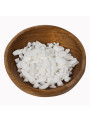
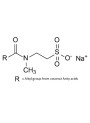
- Sodium Methyl Cocoyl Taurate (90%, Solid): 5%
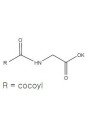
- Sodium Cocoyl Glycinate: 5%
- Phase D (Neutralization):
- Triethanolamine 99%: 0.1-0.3% (diluted 1:10 with water, add drop by drop to neutralize Carbomer and adjust pH)
- Phase E (Cool Down Phase):
- Mild Preserved™ COS: 1%
- Fragrance: 0.1-0.5% (Optional)
- Lactic Acid or Citric Acid solution (10-20%): As needed to adjust final pH to 5.5-6.5
Mixing Instructions:
- Prepare Phase A: In a heat-resistant beaker, add Water. Gradually sprinkle Carbomer 980 while stirring vigorously to ensure it disperses without clumping. Heat the water phase to 70-75°C. Add Glycerin, Propylene Glycol, and Disodium EDTA. Once fully dissolved, add Aloe Vera Extract, Vitamin B3, Hydrolyzed Pea Protein, and Water-Soluble Coenzyme Q10. Maintain temperature and stir.
- Prepare Phase B: In a separate beaker, combine Glyceryl Stearate SE, Glycol Distearate, Caprylic/Capric Triglyceride, LipidSoft™ B, and Vitamin E. Heat this oil phase to 70-75°C until all solids are melted and the phase is uniform.
- Combine Phases A and B: Slowly pour the oil phase (B) into the water phase (A) while stirring continuously with a homogenizer or high-shear mixer. Mix for 5-10 minutes at this temperature to create a stable emulsion.
- Neutralize Carbomer: Cool the emulsion to around 50-60°C while continuing to stir. Prepare a diluted solution of Triethanolamine (1 part TEA to 10 parts water). Slowly add the diluted Triethanolamine drop by drop to the emulsion while stirring. The mixture will start to thicken as the Carbomer is neutralized. Add just enough to achieve the desired gel consistency.
- Add Surfactants: Cool the mixture further to 40-45°C. Gently add the surfactants (Phase C - Sodium Methyl Cocoyl Taurate and Sodium Cocoyl Glycinate). Mix slowly and carefully to incorporate them without creating excessive foam.
- Cool Down and Add Final Ingredients: Continue cooling to room temperature (below 30°C). Add the preservative (Mild Preserved™ COS) and fragrance (if using). Mix until fully incorporated.
- Adjust pH: Measure the pH of the final product. If it is above 6.5, add a few drops of Lactic Acid or Citric Acid solution, mix, and re-measure until the pH is between 5.5 and 6.5. If the pH is too low, add a tiny amount of diluted Triethanolamine or Sodium Hydroxide solution.
- Packaging: Once the pH is adjusted and the mixture is uniform, package the facial cleanser into suitable containers.
This formulation provides a gentle cleansing experience with added skin-conditioning benefits, avoiding the high alkalinity issue of traditional soap-based formulas.
Updated Review: May 2026
This section was added after reviewing the original answer against current product availability and formulation knowledge at the stated point in time.
Update 2026-05-24
The original caution remains valid: facial cleansers based on fatty-acid soap made with potassium hydroxide generally have an alkaline pH and may cause dryness, tightness, or irritation with repeated facial use. For sensitive skin, a soap-free mild surfactant system is still preferred, with the finished product adjusted and confirmed around pH 5.5-6.5.
Suitable mild surfactant choices in this direction include Sodium Methyl Cocoyl Taurate and Sodium Cocoyl Glycinate. When calculating the formula, note that Sodium Cocoyl Glycinate is supplied as a 30% active aqueous product. If using carbomer with TEA, neutralize only enough to build viscosity, because excess TEA can push the pH above the desired range.
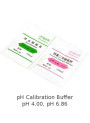
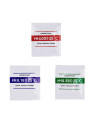
Please measure the fully mixed, cooled final product with a calibrated pH meter; do not rely only on theoretical pH. If using Mild Preserved™ COS, add it below 45°C and keep the final formula within pH 2-8. For commercial sale, the finished formula must pass preservative challenge testing and normal stability testing.
Do not treat an acid-adjusted soap formula as the same as a soap-free syndet cleanser; lowering soap pH can affect solubility, viscosity, foam, and stability. For a simpler soap-free option, Syndet Bar (Soap Free, pH 4.5-5.5) is also a relevant alternative.
References: Ananthapadmanabhan et al., Dermatologic Therapy, 2004; Lambers et al., International Journal of Cosmetic Science, 2006; Korting & Braun-Falco, Clinics in Dermatology, 1996.
Related Products Mentioned
Vitamin E (Tocopheryl Acetate)
Safe-B3™ (Vitamin B3, Niacinamide)
Propylene Glycol (USP)
Triethanolamine 99%
Glycerin (USP/Food Grade)
Disodium EDTA
Sodium Cocoyl Glycinate
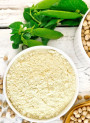
Hydrolyzed Pea Protein (High-Peptide)
Glyceryl Distearate
Carbomer 980 (Benzene-free, Toxic-free)
LipidSoft™ B (Dibutyl adipate)
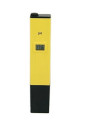
Digital pH meter (temporary use)
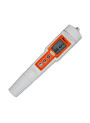
Digital pH meter (For Laboratory)