Gentle Shampoo Base for Medicated Pet Shampoo (Ketoconazole, Chlorhexidine)
Question
How to formulate a gentle shampoo base for a medicated pet shampoo containing Ketoconazole and Chlorhexidine? What surfactants, thickeners, and other ingredients are recommended, and what are the compatibility considerations for these active ingredients?
Answer
Gentle Shampoo Base for Medicated Pet Shampoo
To create a gentle shampoo base for a medicated dog/cat shampoo containing Ketoconazole and Chlorhexidine, using surfactants milder than SLES is a good approach. Based on your inquiry and the staff's recommendation, a blend of surfactants is ideal.
Recommended Surfactants
For a gentle yet effective base, consider using a combination of:
- Cocamidopropyl Betaine: This amphoteric surfactant is gentle and helps boost foam, which is beneficial as Glucoside-based surfactants tend to produce less foam. (Product ID: 160)
- Lauryl Glucoside and/or Decyl Glucoside: These are non-ionic surfactants derived from natural sources, known for their mildness and suitability for sensitive skin. (Product IDs: 177, 7602)
The staff recommends using all three together for the best result. If using all three is not feasible, a blend of Cocamidopropyl Betaine with either Lauryl Glucoside or Decyl Glucoside is suggested.
Note that Lauryl Glucoside and Decyl Glucoside have a high pH and may require adjustment with an acid like Citric Acid or Lactic Acid to a skin-friendly range (pH 5-6.5), especially for sensitive skin.
There is also a blend product called LA-Gel which contains Lauryl Glucoside, Oleth-10, and Glycerin (Product ID: 125176), designed for creating oil gel textures for wash-off products, which might be relevant depending on your specific formulation approach.
Moisturiser / Emollient
Adding a moisturiser or emollient can help differentiate between formulas with different active ingredient concentrations. Glycerin (Product ID: 143) is a good option as it acts as a humectant, helping to retain moisture, and also functions as an emollient and solvent. It can also help enhance foam in the formula.
Viscosity Agent (Thickener)
To achieve the desired thickness and prevent excessive pouring, you can use a thickener. The staff recommends two suitable options for shampoos:
- Xanthan Gum: This is a natural, anionic thickener that can create a clear gel texture. There are different types available, including those providing smooth texture (Product ID: 216) or normal texture (Product ID: 2055). It dissolves in water and can be pre-mixed with oil or glycerin for easier dispersion.
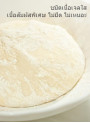
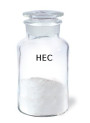
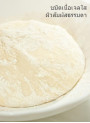
- Hydroxyethylcellulose (HEC): This is a non-ionic thickener suitable for formulas containing electrolytes. It requires heating to around 70°C to dissolve and form a gel. Different viscosity grades are available (e.g., Product ID: 7461 with 2800mPa.s, Product ID: 1340 with 4500mPa.s). HPMC is also mentioned as a good alternative for cleaning formulas as it helps increase foam.
Caution Regarding Chlorhexidine
The staff noted that Chlorhexidine (such as Chlorhexidine Gluconate 20% Solution, Product ID: 126201) may have issues with precipitation if the solvent is not suitable. It is also mentioned that Chlorhexidine can be inactivated by anionic surfactants or soaps, so pairing it with non-ionic or cationic ingredients is often done. Cocamidopropyl Betaine is amphoteric, and Glucosides are non-ionic, which are generally compatible.
Pricing Information
For retail quantities of these ingredients, you can find the prices listed on the website. For bulk quantities (liters or gallons), please contact customer service by sending an email to care@myskinrecipes.com and specifying the desired quantity.
Related Products Mentioned
Glycerin (USP/Food Grade)
Cocamidopropyl Betaine
Lauryl Glucoside
Hydroxyethyl Cellulose (HEC) (4500mPa.s)
Hydroxyethyl Cellulose (HEC) (2800mPa.s)
Decyl Glucoside