Gentle Surfactant Alternatives for Dish Soap
Question
What gentle surfactant alternatives can replace SLS/SLES in dishwashing liquid to effectively remove grease while preventing hand peeling and dryness?
Answer
Gentle Surfactant Alternatives for Dish Soap
If you experience hand peeling from using SLS or SLES N70 in dishwashing liquid, it indicates sensitivity to these strong anionic surfactants. You can replace them with gentler surfactants or a blend of surfactants that are less irritating to the skin while still providing good cleaning and grease removal.
Here are some gentle surfactant options that can be used as alternatives or co-surfactants in a dishwashing liquid formula:
- Amino Acid-Based Surfactants: These are known for their excellent mildness and good lather. Examples include:
- Sodium Lauroyl Glycinate
- Potassium Myristoyl Glutamate
- Sodium Lauroyl Methyl Taurate
- Potassium Cocoyl Glycinate
These can provide cleaning power while being significantly gentler than sulfates.
- Isethionate-Based Surfactants: Such as IseFoam™ (Sodium Lauroyl Methyl Isethionate), which is highly gentle and produces good foam.
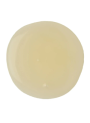
- Amphoacetate Surfactants: Like Mild-Wash L™ (Sodium Lauroamphoacetate) and Mild-Wash C™ (Sodium Cocoamphoacetate). These are extra gentle, biodegradable, and compatible with other surfactants. They can help boost the mildness and foam of the formulation.
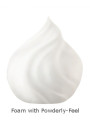
- Potassium Laureth Phosphate: Powderly Foam™ is a gentle, sulfate-free option that provides a soft feel, though it may need combining with other surfactants for optimal foam.
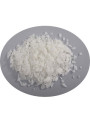
- Natural Surfactants: Sophorolipid is a natural, gentle option with cleaning efficiency and good bubbles, suitable for gentle formulations.
To create a dishwashing liquid that effectively removes grease but is gentle on hands, you can formulate using a combination of these gentle surfactants. For instance, blending an amino acid-based surfactant or Isethionate with an amphoacetate can provide a good balance of cleaning performance, foam, and mildness. While they might not have the exact same harsh degreasing power as SLS/SLES, a well-formulated blend can still clean effectively for typical dishwashing needs without causing skin irritation.
Updated Review: May 2026
This section was added after reviewing the original answer against current product availability and formulation knowledge at the stated point in time.
Update 2026-05-24: The original direction is still valid: if hands peel from SLS/SLES/N70, use a milder blend rather than relying on one single replacement. Good starting choices include AminoWash™ / Sodium Lauroyl Glutamate, Gluta-Clean™ / Disodium Cocoyl Glutamate, Sodium Lauroyl Glycinate, Potassium Myristoyl Glutamate, Sodium Lauroyl Methyl Taurate, IseFoam™ / Sodium Lauroyl Methyl Isethionate, BabyFoam™ / Sodium Cocoyl Isethionate, used together with amphoteric co-surfactants such as Mild-Wash L™ / Sodium Lauroamphoacetate or Mild-Wash C™ / Sodium Cocoamphoacetate. Powderly Foam™ / Potassium Laureth Phosphate can also support a sulfate-free, softer-feel system, but should be blended when more foam/cleaning is needed.
For dishwashing liquid, do not replace N70 1:1 by supplier weight. N70 is about 70% active SLES, while some milder liquid surfactants/co-surfactants are around 30% active, so the total active surfactant matter must be recalculated and tested. For sensitive hands, aim for a hand-friendlier finished pH, commonly around pH 5.5–7.0 if the surfactant system, preservative, and viscosity remain stable. Also test grease removal, foam, viscosity, repeated hand feel, and rinsability on dishes.
No surfactant can be guaranteed “non-allergenic” or guaranteed to stop peeling; symptoms may be irritant dryness, allergy, eczema, or another skin condition. Because dishwashing liquid is used on food-contact utensils, the finished product should rinse cleanly without odor, taste, slippery film, or residue, and should be checked against the applicable detergent/food-contact requirements in the market of sale.
References: SLS is widely used as an experimental irritant model in dermatology literature, e.g. Tupker RA et al., Contact Dermatitis, 1989, PMID 2752737; Lee CH and Maibach HI, Sodium Lauryl Sulfate: Water Soluble Irritant Dermatitis Model, 1999. Surfactant-mixture mildness concepts are discussed in Herrero E et al., Cosmetics, 2026. Food-contact suitability is application-specific; 21 CFR 178.1010 illustrates that allowable use depends on composition and conditions, not ingredient name alone.
Related Products Mentioned
Mild-Wash L™ (Sodium Lauroamphoacetate)
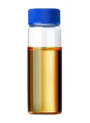
Sophorolipid (Natural Surfactant, 50%)
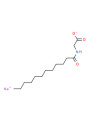
Sodium Lauroyl Glycinate
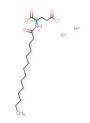
Potassium Myristoyl Glutamate
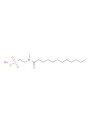
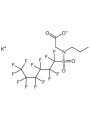
Potassium Cocoyl Glycinate (Pure Solid)
Mild-Wash C™ (Sodium Cocoamphoacetate)