Guide to DIY Skincare Formulation for Multiple Concerns
Question
I want to start formulating my own skincare products for personal use, such as cream, face wash, or serum. My skin concerns include wrinkles, dark spots, uneven texture, clogged pores, and dullness. How should I begin this process? What are the basic steps and suitable ingredients for these issues?
Answer
Guide to Starting Your Own Skincare Formulations
Hello! I understand that starting to formulate your own skincare products might seem complex at first, but it's actually not too difficult. It's a great idea that you're interested in making products specifically suited for your own skin.
Based on the issues you've mentioned – wrinkles, dark spots, uneven skin texture, clogged pores, and dullness – it seems you are looking for ingredients that can help with multiple concerns.
The advice from cosmeceutical7 is an excellent starting point:
- Read Beginner Information: If there's a "Beginner's Guide" section on the website, you should definitely start there. It will help you understand the basics.
Choose the Product Type You Want to Make: You mentioned cream, face wash, or serum. Try choosing one to start with.
- Face Wash: Focuses on gentle cleansing. You might add ingredients that help slightly with clogged pores.
- Serum: Usually has a light texture, absorbs easily, and is suitable for incorporating concentrated active ingredients to target specific problems.
- Cream: Contains both oil and water phases, provides good hydration, and is suitable for active ingredients and strengthening the skin barrier.
Choose Ingredients Suitable for Your Skin Concerns: This is a crucial step. You need to find ingredients that address the issues you have:
For Wrinkles / Uneven Texture (related to aging):
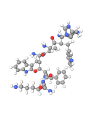
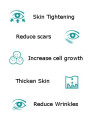
- Peptides are very popular. For example, Pep®-Synthe6 (Palmitoyl Tripeptide-38) helps reduce the appearance of wrinkles, and Copper Peptide (GHK-Cu) is beneficial for wrinkles and scars.
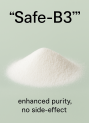
- Safe-B3™ (Niacinamide) also helps reduce wrinkles and strengthens the skin barrier.
For Dark Spots / Uneven Tone / Dullness:
- Vitamin C is a key ingredient. There are various forms like Ethyl Ascorbic Acid or Ascorbyl Glucoside which are highly stable and help brighten the skin and reduce dark spots effectively.
- Safe-B3™ (Niacinamide) helps reduce redness and dark marks from acne and evens out skin tone.
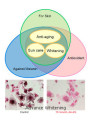
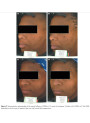
- Pep®-Bright (Hexapeptide-2) and Pep-Even™ (Tetrapeptide-30) are peptides specifically targeting skin brightening and reducing dark spots.
For Clogged Pores / Uneven Texture (due to clogging) / Acne:
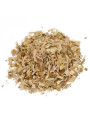
- Group Salicylic Acid (BHA) or derivatives like Capryloyl Salicylic Acid (LHA) help exfoliate cells that clog pores and reduce blockages. Willow Bark Extract is a natural source of Salicylic Acid that is gentler.
- Safe-B3™ (Niacinamide) helps reduce facial oiliness, which is a cause of acne.
- Pep®-Acne (Oligopeptide-10) is a peptide with properties that help inhibit the P.Acnes bacteria, a cause of acne.
For Dehydrated Skin (which can exacerbate other problems):
- Hyaluronic Acid in various molecular sizes (Small, Standard, Large) helps replenish and retain moisture in the skin layers, making the skin plumper and smoother.
Steps to Start Formulating Yourself:
- Study Ingredient Information: Once you know your skin concerns, try researching the ingredients that help address those issues. Look into how they work, their recommended usage rates, any limitations when mixing with other ingredients, and any precautions.
- Choose Simple Basic Formulas: To begin, try starting with a formula that isn't too complex. It could be a serum with 1-2 active ingredients, or you can use a ready-made base like Hyaluronic Acid Gel Base and gradually add the desired active ingredients. This is much easier and more convenient.
- Prepare Equipment: Accurate weighing and measuring are important. Maintaining cleanliness of your equipment and workspace is crucial to prevent contamination.
- Follow the Formula: Carefully mix the ingredients according to the steps you've researched.
- Test: Before applying to your face, you should test the product on a small area of skin (like your forearm) for about 2-3 days to see if there's any allergic reaction, irritation, or other side effects.
Making your own products requires time for learning and experimentation. I recommend starting with safe, well-researched basic ingredients first, and gradually increasing the complexity of your formulas as you gain more understanding.
Related Products Mentioned
Safe-B3™ (Vitamin B3, Niacinamide)
Salicylic Acid (BHA, Pharma Grade)


Hyaluronic Acid Gel Base
Pep-Even™ (Tetrapeptide-30)
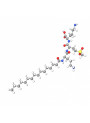
Pep®-Synthe6 (Palmitoyl Tripeptide-38)