Hair Conditioner Formulation: Addressing Separation, Texture, and Bubbles
Asked by: tapakonn
On: November 13, 2017
Product Type:
Cosmetics
Answered
Question
I am formulating a hair conditioner and encountering several issues. Could you please advise on the following points?
- My formula separates after about a week, and small bubbles appear before separation. How can I improve stability?
- I want a thick texture that is not sticky or too viscous for bottling. What ingredients or adjustments can help achieve this?
- How can I reduce the formation of small bubbles in the formula, especially if I don't have a vacuum mixer?
- Does the mixing speed or time affect the final viscosity of the conditioner?
- Can I add CTAC later in the process (around 40°C) instead of heating it initially? What is the best way to ensure it dissolves completely?
- Is Willow Bark Extract compatible with this type of formula, and how should it be incorporated?
Answer
Based on the feedback regarding your hair conditioner formulation issues:
- Separation: The separation after about a week, accompanied by bubble formation, suggests a potential issue with the stability or emulsification of the formula. The staff recommends adding Butter Cream Maker (2%) to improve stability. It should be heated to 70°C and mixed with the oil phase ingredients (CTAC, BTAC, Cetyl Alcohol).
- Desired Texture (Thick but not sticky/viscous): To achieve a texture that is thick but still easy to bottle, the staff advises replacing Cetyl Alcohol with Shea Butter. Shea Butter has a minimal effect on viscosity. Adding Glyceryl Steearate SE is not recommended as it will increase thickness.
- Reducing Bubbles: If you are not using a vacuum mixer, incorporating an oil (like Shea Butter) or a Silicone (such as Dimethicone Light, Low-Odor at 5%) can help reduce the formation of small bubbles.
- Mixing Speed: The staff clarified that mixing speed does not control the final viscosity; this is determined by the ingredients in your formula. Adjusting the formula composition is the correct way to achieve the desired thickness.
- Adding CTAC Later: You can add CTAC later in the process (around 40°C) instead of heating it initially. This can help achieve your preferred texture, but ensure thorough mixing to ensure it dissolves completely.
- Willow Bark Extract: Adding Willow Bark Extract is compatible with this type of formula. Add it to the water phase, avoiding high heat, ideally during the cooling phase (around 40°C) while mixing.
Related Products Mentioned

Allantoin
Cosmetics
Shea Butter (Refined , Deodorised)
Cosmetics
Propylene Glycol (USP)
Cosmetics
Cetrimonium Chloride (CTAC)
Cosmetics
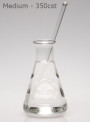
Dimethicone (Medium/350, Low-Odor)
Cosmetics
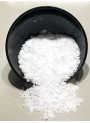
Cetyl Alcohol
Cosmetics
Melatonin Forte™
Cosmetics
Mild Preserved Eco™ (Preservative-Free)
Cosmetics
Butter Cream Maker™
Cosmetics
Poly-Conditioner Pro (400 mPa.s)
Cosmetics
Behentrimonium Chloride (BTAC)
Cosmetics