Hair Growth Ingredient Compatibility and Formulation
Question
Seeking advice on combining various hair growth ingredients (Melatonin, Caffeine, Minoxil/Minoxol variants, Ursolic Acid, Biotin), checking compatibility with additional ingredients like Disodium EDTA, Panthenol, Creatine, and Copper Peptide, and confirming the suitability of using a Light Cream Maker for a light cream texture.
Answer
Ingredient Analysis and Formulation Advice
Based on the ingredients you provided and their functions:
1. Redundant Ingredients and Combinations
Many of the ingredients in your first list have benefits related to hair growth and reducing hair loss, but they often work through different mechanisms.
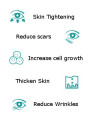
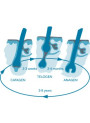
- Melatonin Forte and Encapsulated Caffeine both support hair growth and have antioxidant properties. They can potentially be used together to target hair health through different pathways.
- Minoxil Aqua and Minoxol Aqua appear to be very similar ingredients (Diaminopyrimidine Oxide derivatives) with similar functions in strengthening hair roots and reducing hair loss. You likely only need to choose one of these for your formula.
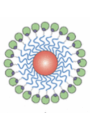
- Biotin is a key nutrient for hair health. You listed "Biotin" and "active release Biotin". ActiveRelease Biotin is an encapsulated form that offers better water solubility and absorption, especially at lower pH levels suitable for the scalp. It would be preferable to use ActiveRelease Biotin over standard Pure-Biotin powder if you are making a water-based formula.
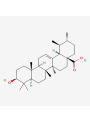
- Hi-Ursolic (containing Ursolic Acid) enhances hair growth by stimulating blood circulation in the scalp and also helps with dandruff. It has a different mechanism than the others and can complement them.
Conclusion for Question 1: You can likely use Melatonin Forte, Encapsulated Caffeine, Hi-Ursolic, and ActiveRelease Biotin together. For the Minoxil Aqua/Minoxol Aqua pair, choose one that best fits your formulation needs (e.g., solubility, specific INCI name). Using multiple ingredients with different mechanisms can be beneficial, but always consider overall formula compatibility and stability.
2. Compatibility of Additional Ingredients
Regarding the second list of ingredients:
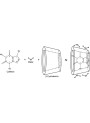
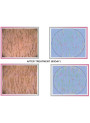
- Panthenol (found as PreB5) is a good moisturizer and generally compatible with cosmetic formulas.
- Creatine 100 helps promote collagen, elastin, and keratin production, moisturizes, and reduces irritation. It is also generally compatible.
- Disodium EDTA is a chelating agent used to improve formula stability by binding metal ions in water.
- Copper Peptide (GHK-Cu) is beneficial for skin regeneration and hair growth.
IMPORTANT Compatibility Note: The product description for Copper Peptide (GHK-Cu) explicitly states: "Do not contain Disodium EDTA in the formula because Disodium EDTA will bind the Copper charge and make the Copper Peptide less effective."
Conclusion for Question 2: Panthenol and Creatine 100 can be included in your formula. However, you should not use Disodium EDTA and Copper Peptide (GHK-Cu) together in the same formula, as Disodium EDTA will deactivate the Copper Peptide. You will need to choose between using Disodium EDTA for general formula stability (if not using Copper Peptide) or omitting Disodium EDTA if you wish to include Copper Peptide.
3. Using Light Cream Maker
Yes, you can use a Light Cream Maker (which is a type of emulsifier or emulsifier blend designed for lighter textures) to create a light cream consistency for your formula. Choose one that is compatible with your chosen ingredients and desired pH range.
Summary of Recommendations:
- Consider using ActiveRelease Biotin instead of standard Biotin powder.
- Choose either Minoxil Aqua or Minoxol Aqua, but likely not both.
- You can potentially combine Melatonin Forte, Encapsulated Caffeine, Hi-Ursolic, and your chosen Biotin and Minoxil/Minoxol product, keeping formulation compatibility in mind.
- You can include Panthenol and Creatine 100.
- DO NOT use Disodium EDTA and Copper Peptide (GHK-Cu) together in the same formula.
- A Light Cream Maker can be used to achieve a light texture.
Remember to always check the specific usage rates, solubility, pH requirements, and mixing instructions for each ingredient you use to ensure a stable and effective final product.
Related Products Mentioned
Disodium EDTA
Melatonin Forte™
Creatine 100
PreB5™ (Pantolactone, Pantoyl Lactone)