Hair Mask Formulation Guidance
Question
I have a hair mask with the following ingredients and would like to recreate a similar formulation. Could you please provide guidance on formulating a hair mask using these or similar ingredients, and suggest typical usage percentages?
- Aqua
- Stearyl Alcohol
- Behentrimonium Chloride
- Quaternium-87
- Amodimethicone
- Trideceth-5
- Trideceth-10
- Candeulla cera/wax
- Panthenol
- Tocopheryl Acetate
- 2.oleamido-1, 3-octadecanediol
- Phenoxyethanol
- Methylparaben
- Chlorhexidine Dihydrochloride
- Parfum
- Ethylhexyl Methoxycinnamate
- Magnesium Sulfate
Answer
Recreating Your Favorite Hair Mask
It's great that you found a hair mask you love and want to understand its composition to create your own! While the exact percentages used in commercial products are proprietary, we can look at the ingredients and suggest a guideline for formulating a similar hair mask using ingredients available on MySkinRecipes.
Here are the key ingredients from the list you provided and their potential roles in a hair mask, along with suggested usage ranges for a DIY formulation:
- Water (Aqua): The main base of the formulation, typically making up the largest percentage.
- Conditioning & Thickening Agents:
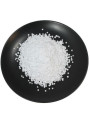
- Stearyl Alcohol: A fatty alcohol that acts as a thickener and conditioning agent, providing body and slip to the mask. Typical Usage: 5-10%
- Behentrimonium Chloride (BTAC): A primary conditioning agent that helps to detangle hair and reduce static. Typical Usage: 1-5%
- Poly-Conditioner Pro (Polyquaternium-10): A polymer that provides conditioning benefits, improves wet and dry combability, and can enhance the feel of the hair. This is a suggested alternative for Quaternium-87. Typical Usage: 0.2-0.5%
- CreamThick™ (Hydroxypropyl Starch Phosphate): A modified starch that functions as a thickener and stabilizer, contributing to the texture of the mask. Typical Usage: 1-5%
- Silicones:
- Silicone Hi-Cond (Aminopropyl Dimethicone): A conditioning silicone that provides excellent smoothing and shine benefits, particularly for damaged hair. Typical Usage: 1.5-3%
- Trideceth-5, Trideceth-10: These are often used as emulsifiers or dispersing agents for silicones like Amodimethicone. If using Silicone Hi-Cond, these might be included in the blend or used at very low levels (<1%) if needed for stability.
- Waxes:
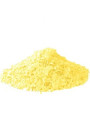
- Candelilla Wax: A plant-based wax that can help thicken the formula and provide some structure and shine. Typical Usage: 1-3%
- Actives & Beneficial Ingredients:
- Panthenol (Vitamin B5): Known for its moisturizing and strengthening properties for hair. Typical Usage: 1-3%
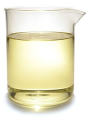
- Vitamin E (Tocopheryl Acetate): An antioxidant that can help protect the hair and scalp. Typical Usage: 0.5-2%
- 2.oleamido-1, 3-octadecanediol: This is a type of ceramide, a lipid that is a natural component of hair and can help repair damage. Finding a direct equivalent might be difficult; other hair-benefiting lipids or oils could be considered as alternatives.
- Preservatives: Essential for preventing microbial growth.
- Phenoxyethanol: A common broad-spectrum preservative. Typical Usage: 0.5-1%
- Methylparaben: Another preservative. (Note: This specific ingredient may not be available on MySkinRecipes, but other preservatives are.)
- Chlorhexidine Dihydrochloride: An antiseptic. Chlorhexidine Gluconate is available and can be used as a preservative or for scalp benefits at very low concentrations (e.g., 0.1-0.5% of a 20% solution).
- Other:
- Parfum/Fragrance: Added for scent. Typical Usage: 0.1-1%
- Ethylhexyl Methoxycinnamate: A UV filter, often used to protect hair color from fading. (Note: This specific ingredient may not be available on MySkinRecipes.)
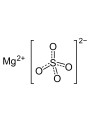
- Magnesium Sulfate: Can help adjust viscosity or provide mineral benefits. Typical Usage: <1%
Sample Formulation Guideline (Total 100%)
This is a starting point and will require testing and adjustment to achieve your desired texture and performance.
- Water: Up to 100%
- Stearyl Alcohol: 5-8%
- Behentrimonium Chloride (BTAC): 2-4%
- Poly-Conditioner Pro (Polyquaternium-10): 0.3-0.5%
- CreamThick™ (Hydroxypropyl Starch Phosphate): 2-4%
- Silicone Hi-Cond (Aminopropyl Dimethicone): 2-3%
- Candelilla Wax: 1-2%
- Panthenol (Vitamin B5): 1-2%
- Vitamin E (Tocopheryl Acetate): 0.5-1%
- Phenoxyethanol: 0.5-1%
- Magnesium Sulfate: 0.1-0.5%
- Fragrance: 0.1-0.5%
- Other lipids/oils (optional, as alternative for 2.oleamido-1, 3-octadecanediol): 0.5-2%
- Chlorhexidine Gluconate (optional, as alternative for Chlorhexidine Dihydrochloride): 0.1-0.5% of 20% solution
You can start with a cream base and add the conditioning agents, silicones, vitamins, and other actives, or build the formula from scratch using water, Stearyl Alcohol, and an emulsifier (like BTAC, which also conditions). Remember to heat the oil/wax phase and water phase separately and combine them properly to form an emulsion.
Always perform small test batches and adjust percentages based on the results until you achieve the desired consistency and performance for your hair.
Updated Review: May 2026
This section was added after reviewing the original answer against current product availability and formulation knowledge at the stated point in time.
Update — 2026-05-24
The original formulation direction is still usable as a starting point, but please note these current formulation/catalog points:
- Quaternium-87 replacement: Poly-Conditioner Pro (Polyquaternium-10) remains a reasonable substitute. If a clearer formula is required, Poly-Conditioner Pro Extra Clear can be considered. Other current cationic polymer options such as Poly-Conditioner 30, Poly-Conditioner 47, Poly-Conditioner 28, and Polyquaternium-67 may also be tested for detangling/conditioning, but they are not exact one-to-one replacements for Quaternium-87.
- Silicone conditioning: Silicone Hi-Cond remains suitable for strong conditioning in rinse-off conditioners/masks. If you are trying to match an amodimethicone-style commercial system or need better clarity, Silicone Micro-Cond or Bis-Aminopropyl Dimethicone (Light) can be evaluated, with proper emulsification/compatibility testing.
- CreamThick process note: Disperse CreamThick in cold or room-temperature water and avoid dispersing it above 50°C. If the formula also needs heat for BTAC, fatty alcohol, or wax, hydrate/disperse CreamThick separately first or add it at a suitable cooler stage.
- Panthenol and wax: Panthenol is available in powder and liquid forms; choose the form by process convenience and keep the use level appropriate for the product type. Candelilla Wax is available in different melting-point grades and should be dissolved in the oil phase; in a hair mask, keep wax low and test so it does not weigh hair down.
- Trideceth and preservation: Trideceth-5/Trideceth-10 are mainly silicone/emulsion process aids, not the main conditioning actives; verify the current product page/COA before using one for exact INCI matching. For any water-based hair mask, use a validated cosmetic preservative system and perform stability/microbial testing rather than relying on antiseptic-type ingredients alone.
Related Products Mentioned
Vitamin E (Tocopheryl Acetate)
Phenoxyethanol (Extra Pure)
Silicone Hi-Cond
Poly-Conditioner Pro (400 mPa.s)
Behentrimonium Chloride (BTAC)

Trideceth-12

Trideceth-5
Stearyl Alcohol
Candelilla Wax (Refined, Melting 72.5C)
Chlorhexidine Gluconate (20% Solution)
Candelilla Wax (Refined, Melting 70C)
Poly-Conditioner Pro (30000 mPa.s)

Poly-Conditioner 47 (Polyquaternium-47)
Poly-Conditioner 30 (Polyquaternium-30)
Bis-Aminopropyl Dimethicone (Light)
Poly-Conditioner 28 (Polyquaternium-28)