Hair Serum Formulation for Oily Scalp, Dandruff, and Damaged Hair
Question
I am developing a hair serum formulation for oily scalp, dandruff, and hair that is dry and brittle from chemical treatments. Here is the proposed formula:
- Condi-B5™ (Panthenyl Hydroxypropyl Steardimonium Chloride) 3.00%
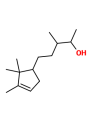
- Sandal Pentanol (Sandalore) 5.00%
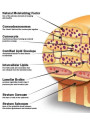
- Natural Moisturizing Amino Acids 5.00%
- Zinc PCA 1.00%
- Zinc Pyrithione (Dandruff, Sebderm) 0.50%
- Pure Keratin™ (Natural, Sheep Wool) 2.00%
- Creatine 100 1.00%
- Silicone Shine (Light & Silky) 10.00%
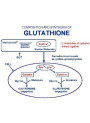
- N-Acetyl Cysteine (สังเคราะห์ Glutathione) 5.00%
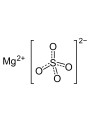
- Magnesium Sulfate (Anhydrous) 1.00%
- Cyclomethicone / Cyclopentasiloxane (Low-Odor) 10.00%
- SiliSolve™ (ประสานน้ำ-ซิลิโคน) 1.00%
- น้ำกลั่น ปราศจากเชื้อ 54.50%
- Mild Preserved Eco™ (Preservative-Free) 1.00%
Based on this formula, I have the following questions:
- Is it possible to mix this formula manually using hand stirring?
- What will the texture of the resulting product be like?
- Is this formula suitable for use on both the scalp and hair?
- How should this formula be adjusted or improved?
Answer
Hair Serum Formula Analysis
This formula is designed as a hair serum addressing oily scalp, dandruff, and damaged, dry hair. Let's break down the formula and its potential:
Can this formula be mixed manually?
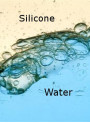
Mixing this formula manually might be challenging, particularly achieving a stable and homogeneous product. Ingredients like Zinc Pyrithione are powders that do not dissolve and require thorough dispersion to prevent settling. The formula also uses SiliSolve™, a water-to-silicone binder, suggesting an emulsion (likely water-in-silicone). Creating a stable emulsion with proper dispersion of powders typically requires mechanical mixing equipment rather than just hand stirring.
What will the texture be like?
Given the high percentage of silicones (Silicone Shine and Cyclomethicone/Cyclopentasiloxane) and the use of SiliSolve™ as a binder, the resulting texture is likely to be a lightweight, non-greasy serum or lotion. It should feel smooth and silky on the hair, characteristic of silicone-based products.
Is it suitable for scalp and hair?
Yes, the formula appears suitable for the described hair and scalp conditions:
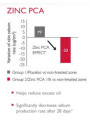
- Oily Scalp & Dandruff: Zinc Pyrithione and Zinc PCA are included, which are known to help reduce scalp oiliness and combat dandruff.
- Damaged & Dry Hair: Ingredients like Condi-B5™, Natural Moisturizing Amino Acids, Pure Keratin™, and Creatine 100 are beneficial for moisturizing, strengthening, and repairing hair that has been chemically treated and is dry or brittle.
How should the formula be adjusted?
Here are some considerations for adjusting the formula:
- Mixing Method: For best results, especially to ensure Zinc Pyrithione is well-dispersed and the emulsion is stable, using a homogenizer or high-shear mixer is highly recommended over manual mixing.
- Zinc Pyrithione Stability: Ensure the pH of the final formula is within the effective range for Zinc Pyrithione (typically pH 4-7). The description for Zinc Pyrithione also advises avoiding EDTA and strong oxidizers, which are not present in your list, which is good. Proper dispersion during mixing is crucial to prevent the powder from settling over time.
- Emulsion Stability: The inclusion of Magnesium Sulfate at 1% is appropriate for stabilizing water-in-oil or water-in-silicone emulsions, as suggested for use with SiliSolve™. This should help improve the overall stability of the serum.
- Sandal Pentanol: This ingredient is likely a fragrance or aroma component. Ensure its compatibility with the other ingredients and its stability in the final serum formulation.
Overall, the formula contains beneficial ingredients for your hair and scalp concerns. The main challenge for DIY mixing will be achieving a stable and homogeneous product, particularly with the powdered Zinc Pyrithione.
Related Products Mentioned
Zinc PCA

Purified Water, TDS Limit 1PPM)
Creatine 100
Mild Preserved Eco™ (Preservative-Free)