Hair Styling Wax Formulation (Gatsby Black Style)
Question
I have been tasked with developing a hair styling wax formula aiming for a semi-liquid cream texture with good hold, similar to Japanese waxes like Gatsby Black. I am considering a formula based on the following key ingredients:
- Cyclopentasiloxane (Cyclomethicone)
- Hydrogenated Polyisobutene (Squalene)
- Petrolatum (Vaseline)
- Microcrystalline Wax
- Candelilla Wax
- Carnauba Wax
- Beeswax
- Mineral Oil (LipidSoft)
My understanding is that adjusting the percentage of these waxes and oils is crucial for achieving the desired texture and hold, particularly using more Cyclomethicone and Squalene for a more liquid feel. Could you provide technical guidance on the function of each ingredient and how to best adjust their ratios to develop a formula that results in a stable semi-liquid cream texture with effective hold?
Answer
Hair Styling Wax Formulation Guide (Similar to Gatsby Black)
Based on the ingredients provided, which follow the approach of Japanese-style hair wax focusing on a semi-liquid cream texture with good hold, the main components can be divided into the following groups:
- Waxes Group: Candelilla Wax, Carnauba Wax, Microcrystalline Wax, Beeswax
- Oils/Emollients Group: Cyclopentasiloxane, Hydrogenated Polyisobutene (Squalene), Petrolatum (Vaseline), Mineral Oil (LipidSoft)
To achieve the desired semi-liquid cream texture and good hold, the key is to balance the proportions of the wax group and the oil/emollient group.
Role of Each Component
Waxes: Provide structure and firmness to the wax, helping the hair stay in place. Each wax has different properties (e.g., Carnauba Wax provides high hardness, Beeswax provides softness and plasticity). Using a blend of waxes helps achieve a balanced hold and texture. Generally, a higher amount of wax results in a harder product and stronger hold.
- Candelilla Wax: Helps add shine to the product. Melting point is approximately 70-72.5°C.
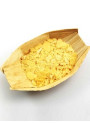
- Carnauba Wax: The hardest wax with the highest melting point (approximately 80-87°C). Helps increase the firmness and stability of the wax, especially at high temperatures.
- Microcrystalline Wax: Has good oil absorption properties, provides a smooth texture, and helps prevent oil separation (sweating). Often used in lip balms or lipsticks for a smooth texture and to prevent bleeding. Available in various melting points depending on the grade (approximately 70-90°C).
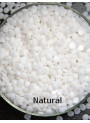
- Beeswax: Provides a soft and flexible texture. Has a relatively low melting point (approximately 60-63°C). Helps nourish hair and adds softness to the wax texture.
Oils/Emollients: Soften the wax, make it easier to spread, and contribute to the desired semi-liquid cream texture.
- Cyclopentasiloxane (Cyclomethicone): A lightweight, volatile silicone that provides slip and a non-greasy feel. Helps improve spreadability and reduce tackiness.
- Hydrogenated Polyisobutene (Squalene): An emollient that provides a smooth feel, helps dissolve or disperse other ingredients, and adds gloss.
- Petrolatum (Vaseline): A semi-solid emollient that provides barrier properties and helps with consistency.
- Mineral Oil (LipidSoft): A common oil used to soften the wax and improve spreadability. LipidSoft is a trade name for certain emollients, often esters, which can function similarly to mineral oil in this context by softening the wax phase.
Adjusting Proportions
To achieve a "slightly liquid cream" texture that is not too hard but still provides good hold, you will need a relatively high proportion of the oil/emollient group (especially Cyclopentasiloxane and Hydrogenated Polyisobutene/Squalene as suggested) compared to the total amount of waxes.
Finding the optimal proportions will require experimentation. Start with a basic ratio and make small batches, gradually adjusting the percentages of waxes and oils/emollients until you achieve the desired consistency when the product cools down.
- To make it softer/more liquid: Increase the percentage of Cyclopentasiloxane, Hydrogenated Polyisobutene (Squalene), Petrolatum, and/or Mineral Oil (LipidSoft).
- To make it harder/increase hold: Increase the total percentage of waxes, or specifically increase the proportion of harder waxes like Carnauba Wax.
Basic Manufacturing Steps
- Melt Waxes and Solid/Semi-Solid Emollients: Combine all waxes (Candelilla, Carnauba, Microcrystalline, Beeswax) and Petrolatum. Heat gently until all ingredients are fully melted and combined.
- Add Liquid Oils/Emollients: Once the waxes are melted, add Cyclopentasiloxane, Hydrogenated Polyisobutene (Squalene), and Mineral Oil (LipidSoft). Stir well to combine.
- Cool and Stir Continuously: Allow the mixture to cool down while stirring continuously. Stirring during the cooling phase is crucial for creating a smooth, creamy texture. If left to cool undisturbed, it will likely solidify into a hard block.
Adding Fragrance
If you wish to add fragrance, you can do so during step 3, while the product is cooling but before it fully solidifies. Add the desired amount of fragrance oil and stir quickly to incorporate it evenly before the wax sets.
Experimenting with the proportions of each ingredient will help you achieve the hair styling wax with the texture and hold you desire.
Related Products Mentioned
Carnauba Wax (Flake, Melting 80C)
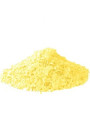
Candelilla Wax (Refined, Melting 70C)
Squalene (Synthetic, For Lip Gloss)

LipidSoft™ Palm (Ethylhexyl palmitate)
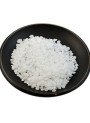

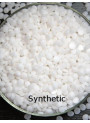
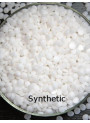
Synthetic White Beeswax (Melting 62C)
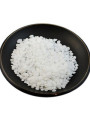
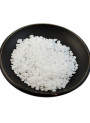
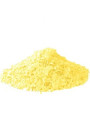
Candelilla Wax (Refined, Melting 72.5C)
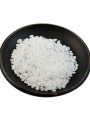
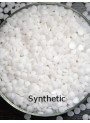
Synthetic White Beeswax (Melting 58C)