Hair Wax Formulation for Matte, Long-lasting Hold
Question
I would like to know the proportions for formulating hair wax based on the following ingredients, aiming for a matte finish and long-lasting hold:
Ingredients:
- Microcrystalline Wax
- Beeswax
- Carnauba Wax
- Polyethylene Wax
- Mineral oil
- Water
- Butylene Glycol
- Dimethicone
- Glyceryl stearate
- Polysorbate 60
- Phenoxy ethanol
- Potassium hydroxide
- Carbomer
- Fragrance
- Stearic acid
- Cetyl Ethylhexanoate
- Myristyl alcohol
- Methyl parabane
- Propyl Parabane
(Note: This ingredient list is based on Gatsby grey wax.)
Could you provide guidance on the proportions to achieve the desired matte, long-lasting hold?
Answer
Understanding Hair Wax Ingredients for a Matte, Long-Lasting Hold
Thank you for providing the list of ingredients from Gatsby grey wax as a reference for formulating your own hair wax with a matte finish and long-lasting hold. While I cannot provide the exact proportions used in a commercial product like Gatsby wax, I can explain the function of each ingredient type to help you develop your own formula.
To achieve a hair wax with a matte finish and strong hold, you will need to carefully balance the different types of ingredients.
Key Ingredient Categories and Their Roles:
Waxes: These are essential for providing structure, hold, and texture. Combining different waxes allows you to fine-tune the hardness and flexibility of the wax.
- Microcrystalline Wax: Contributes to smoothness, consistency, and binding within the formula (e.g., Microcrystalline Wax).
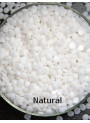
- Beeswax: Adds softness, flexibility, and a conditioning feel to the hair (e.g., Natural White Beeswax).
- Carnauba Wax: Known for its hardness and high melting point, it provides strong hold and stability (e.g., Carnauba Wax).
- Polyethylene Wax: Enhances hardness, stability, and can contribute to water resistance (e.g., Polyethylene Wax).
Oils and Emollients: These help make the wax spreadable, reduce drag, and can provide some conditioning.
- Mineral oil: A common emollient that provides slip and a non-greasy feel, helping to coat the hair (e.g., Mineral Oil Light).
- Cetyl Ethylhexanoate: A lightweight synthetic emollient that aids in spreadability and gives a smooth feel (e.g., LipidSoft CC).
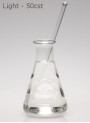
- Dimethicone: A silicone oil that offers slip, smoothness, and a non-greasy coating on the hair. Different viscosities are available (e.g., Dimethicone Light).
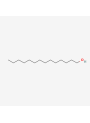
- Myristyl alcohol: A fatty alcohol used to thicken the formula and provide a soft texture (e.g., Myristyl Alcohol).
Emulsifiers: Necessary for creating a stable mixture of oil and water phases in the formula.
- Glyceryl stearate: Acts as both an emulsifier and a thickener, helping to stabilize and build the cream texture (e.g., Glyceryl Stearate SE).
- Polysorbate 60: An emulsifier that helps blend oil and water components (e.g., Polysorbate 80 is a related Polysorbate often used as an emulsifier).
Thickeners and Gelling Agents: Primarily used in the water phase to increase viscosity and contribute to hold.
- Carbomer: A common gelling agent for the water phase, creating a gel structure that aids in hold (e.g., Carbomer 940).
pH Adjuster:
- Potassium hydroxide: A strong base used to adjust the pH of the formula, often needed to neutralize Carbomer to form a gel (e.g., Sodium Hydroxide is another common pH adjuster).
Preservatives: Included to prevent microbial growth and extend the product's shelf life.
- Phenoxyethanol: A widely used and effective preservative (e.g., Phenoxyethanol Extra Pure).
- Methylparaben, Propyl Parabane: Preservatives from the Paraben family, effective against various microbes (e.g., Sodium Paraben is a related water-soluble paraben).
Fragrance: Added to give the product a pleasant scent (e.g., Floral Background is an example fragrance).
Tips for Developing Your Formula:
To achieve a matte finish and strong, long-lasting hold, consider the following:
- Wax Blend: Use a combination of waxes. Higher amounts of Carnauba Wax and Polyethylene Wax will increase hardness and hold. Microcrystalline Wax and Beeswax can modify the texture for better application and flexibility.
- Oil/Emollient Level: Control the amount of oils and emollients to minimize shine and greasiness while ensuring the wax is still easy to apply.
- Water Phase and Gelling: The water phase, thickened with Carbomer and neutralized with Potassium hydroxide, contributes to the product's texture and hold without being overly oily.
- Experimentation is Key: Finding the ideal balance requires testing. Start with small batches and adjust the proportions of each ingredient category until you achieve the desired matte finish and hold.
Developing a cosmetic formula is an iterative process that involves careful consideration of each ingredient's function and how they interact to achieve the final product characteristics. I hope this breakdown helps you in your formulation journey!
Related Products Mentioned
Phenoxyethanol (Extra Pure)
Polysorbate 80 (Tween 80)
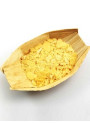
Carnauba Wax (Flake, Melting 80C)
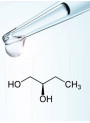
Butylene Glycol
LipidSoft™ CC (Cetyl Ethylhexanoate)
Dimethicone (Light/50, Low-Odor)
Sodium Hydroxide
Carbomer 940 (EasyDisperse™, France)

Floral Background
Myristyl Alcohol