Herbal Spray Formulation with Alcohol Base and Solubilizer
Question
I want to make a herbal spray using the following formula: Ethyl Alcohol (99.9% , 200 Proof, Perfumer Grade) / Alcohol denat and Freeze Me™ (Menthone Glycerin Acetal) / MENTHONE Glycerin ACETA combined with herbal extract from alcohol 96% totaling 95%, Cetiol OE 1%, Vitamin E 1%, preservative 1%, and fashion fragrance 2%. Is this formula possible? Please provide recommendations.
Answer
Herbal Spray Formulation Advice
Your proposed formula uses a high percentage of alcohol as the base, which is suitable for a spray format and for incorporating alcohol-soluble herbal extracts. You also want to include a cooling agent, emollient, Vitamin E, preservative, and fragrance.
Based on the available ingredients in our database:
- Alcohol: Using Ethyl Alcohol (96% or 99.9%) is appropriate for this type of spray.
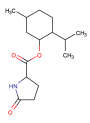
- Cooling Agent: We do not have a product specifically named "Freeze Me™" or "Menthone Glycerin Acetal". However, we have alternative cooling agents like CoCool™ (Menthol+Menthyl Lactate) or Menthyl PCA. CoCool™ is soluble in alcohol and oils, while Menthyl PCA is soluble in water, oils, and glycols (with heat). You can choose one based on your preference for cooling intensity and solubility.
- Emollient (Cetiol OE): We do not have "Cetiol OE". A suitable alternative emollient is LipidSoft™ Cyclo, which provides a smooth, non-greasy feel and can help counteract the drying effect of alcohol. It is oil-soluble.
- Vitamin E: Vitamin E (Tocopheryl Acetate) is available and commonly used. Note that this form is oil-soluble.
- Preservative: A preservative is recommended even with high alcohol content, especially if the herbal extract introduces water. Options include Mild Preserved™ COS (water-soluble, broad spectrum) or NaturePreserve™ Ultra (natural, water-soluble powder, pH sensitive).
- Fragrance: Various fragrances are available, such as Floral Background. Fragrances are generally soluble in alcohol.
Formulation Considerations:
The main challenge in your proposed formula is incorporating the oil-soluble ingredients (LipidSoft™ Cyclo and Vitamin E) into a base that is 95% alcohol and herbal extract. While high alcohol can help dissolve some oils, 1% of each might exceed the solubility limit, potentially leading to cloudiness or separation.
To ensure a clear and stable spray, you will likely need to use a solubilizer. A solubilizer helps to disperse oil-soluble ingredients evenly throughout the water/alcohol phase. The amount of solubilizer needed will depend on the specific oil-soluble ingredients and the total percentage of the oil phase (LipidSoft™ Cyclo + Vitamin E + fragrance oil, if used).
Suggested Approach:
- Combine Alcohol and Herbal Extract: Mix the Ethyl Alcohol (96%) with your herbal extract. Ensure the total of this phase is 95%.
- Prepare Oil Phase (Optional, if using oil-soluble ingredients): If using oil-soluble Vitamin E and LipidSoft™ Cyclo, mix them together.
- Incorporate Cooling Agent:
- If using CoCool™, it can likely be added directly to the alcohol phase.
- If using Menthyl PCA, it is water-soluble, so it might be better to dissolve it in a small amount of water or glycol first, or potentially dissolve it directly in the alcohol phase with gentle warming if compatible.
- Incorporate Oil Phase with Solubilizer: If you have an oil phase (from step 2 or fragrance oil), mix it with a suitable solubilizer at the recommended ratio (check the solubilizer's usage instructions). Then, slowly add this mixture to the alcohol/herbal extract phase while stirring constantly until clear.
- Add Preservative: Add the chosen preservative. Follow the supplier's instructions for mixing method and temperature.
- Add Fragrance: Add the fragrance to the mixture and stir until fully incorporated.
- Adjust and Finalize: Check the clarity and stability. If cloudy, you may need to increase the amount of solubilizer.
Important Notes:
- Always perform a small test batch first.
- Conduct stability testing (e.g., storing at different temperatures) to ensure the product remains clear and stable over time.
- The percentage of herbal extract within the 95% alcohol phase will affect the final alcohol concentration and the need for a preservative.
Related Products Mentioned
Vitamin E (Tocopheryl Acetate)

Floral Background
LipidSoft™ Cyclo (e.q. Cetiol Ultimate)