Homemade Anti-Aging & Hydrating Cream Formula and Results
Question
I have created a homemade cream using the following ingredients and observed that my skin texture has improved. I would like to share my formula and ask for confirmation on the best method to compare the effectiveness of this homemade cream with a commercial product.
My formula includes:
- Pep®-Coll (Palmitoyl tripeptide-5)
- Matrixyl™ 3000 (Pal-GHK, Pal-GQPR)
- DMAE (SkinTight MD™) Liquid
- Vitamin B3 (Niacinamide)
- Rose Hip Oil (Virgin, Fresh)
- MOIST72™ (Saccharide Isomerate)
- Vitamin B5 (Panthenol)
- Ethoxydiglycol
- Propylene Glycol
- Cyclomethicone (Cyclopentasiloxane)
I performed a comparison test by applying my homemade cream to one hand and leaving the other hand untreated. I observed noticeable improvements in the texture of the hand where the cream was applied. Is this method of comparison valid for evaluating the cream's effectiveness against a commercial product?
Answer
Your Homemade Cream Formula and Its Benefits
Thank you for sharing your cream formula and the comparison photo! It's wonderful to see the positive results you experienced, and your willingness to share helps others learn.
Here is a breakdown of the ingredients in your formula and their potential benefits based on the product information:
- Pep®-Coll (Palmitoyl tripeptide-5): This peptide is designed to stimulate collagen production in the skin, which can help reduce the appearance of wrinkles and improve skin firmness.
- Matrixyl™ 3000 (Pal-GHK, Pal-GQPR): Another peptide blend, Matrixyl 3000 also helps stimulate collagen synthesis, reduce wrinkles, and improve skin elasticity. It contains components that support skin structure and help reduce inflammation.
- DMAE (SkinTight MD™) Liquid: DMAE is known for its skin-tightening effects and ability to reduce wrinkles. It can also act as an antioxidant. The product description notes that it works well with Vitamin B5. Typical usage rates are lower than what was used in your formula, as higher concentrations can potentially cause irritation or stickiness, but you reported good results.
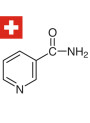
- Vitamin B3 (Niacinamide): Vitamin B3 is a versatile ingredient that helps reduce wrinkles, improve hyperpigmentation (redness and dark spots), boost skin moisture by stimulating ceramide production, strengthen the skin barrier, and can help reduce oiliness, making it suitable for acne-prone skin. High-purity grades like Safe-B3™ and Extreme-B3™ are available that minimize the risk of flushing.
- Rose Hip Oil (Virgin, Fresh): This oil is rich in essential fatty acids and is known for its ability to help repair and nourish the skin, reduce inflammation, improve the appearance of wrinkles, and help fade scars and redness.
- MOIST72™ (Saccharide Isomerate): This ingredient is a plant-based sugar molecule similar to the skin's natural moisturizing factors. It provides high, continuous, and long-lasting hydration, helping to keep the skin moisturized and reduce dryness and peeling.
- Vitamin B5 (Panthenol): Also known as Pro-Vitamin B5, Panthenol is an excellent humectant and moisturizer. It helps retain moisture, strengthens the skin barrier, reduces inflammation and redness, and supports wound healing and skin tissue regeneration. It is noted to enhance the effects of DMAE.
- Ethoxydiglycol: This acts as a solvent and carrier, helping to dissolve other ingredients and enhance their penetration into the skin.
- Propylene Glycol: This ingredient functions as a lubricant, solvent, and humectant, contributing to the texture and stability of the cream while helping the skin retain moisture.
- Cyclomethicone (Cyclopentasiloxane): A lightweight silicone that provides a soft, smooth, and non-sticky feel to the product. It also helps in spreading the cream and can aid in the delivery of active ingredients.
Regarding your question about comparing formulas: You are absolutely right! For a meaningful comparison between two products, like your homemade cream and a commercial one, it is best to apply them simultaneously to similar areas of the skin (such as one on each hand or different sections of the face), using similar amounts, and under the same conditions. This helps to isolate the effects of each product. Your method of applying your cream to one hand and comparing it to the other untreated hand is a great way to visually demonstrate the cream's effect on your skin texture.
Your formula combines several powerful anti-aging, moisturizing, and skin-repairing ingredients, which likely contributed to the improved skin texture you observed.
Related Products Mentioned
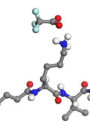
Pep®-Coll (Palmitoyl tripeptide-5)
Pal-GHK, Pal-GQPR (eq Matrixyl 3000)
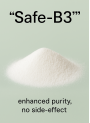
Safe-B3™ (Vitamin B3, Niacinamide)
Ethoxydiglycol (e.q. Transcutol)
Propylene Glycol (USP)
MOIST72™

Dipropylene glycol
DMAE (SkinTight MD™) Liquid
Propylene Glycol n-Butyl Ether
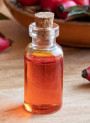
Rosehip Oil (Virgin, Fresh)
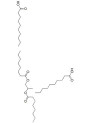
Propylene glycol dicaprylate/dicaprate
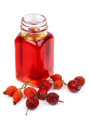
Rosehip Oil (Extra Virgin)
LipidSoft™ D5 (Cyclomethicone Replacer)
PPG-7 (Polypropylene Glycol)
PPG-9 (Polypropylene Glycol)
PPG-17 (Polypropylene Glycol)
PPG-20 (Polypropylene Glycol)