Homemade Cream Formulation: Preservatives, Ingredient Solubility, and Whitening Efficacy
Asked by: jan_nazyy
On: April 16, 2015
Product Type:
Cosmetics
Answered
Question
I am making a homemade cream using fresh ingredients like tamarind, milk, herbal powder, and water. I scoop it from the jar with my hands and do not refrigerate it. I have several questions:
- Can NaturePreserve™ be used with Vitamin C (L-Ascorbic Acid) or Glycolic Acid? I heard NaturePreserve™ Ultra should not be used with Vitamin C (L-Ascorbic Acid). Also, I heard Phenoxyethanol only protects against fungi; is this true?
- I want to use a preservative combination like
0.1% Phenoxyethanol + 0.9% Mild Preserved™ COSin my cream. Is this sufficient, especially since I use fresh ingredients, scoop with my hands, and don't refrigerate? - The Mild Preserved™ COS product page mentions dissolving it in solvents, but my cream doesn't contain them. How should I dissolve it? Can Glycerine be used as a solvent for Mild Preserved™ COS if I don't have other recommended solvents?
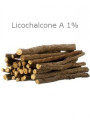
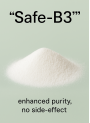
- Regarding whitening efficacy, which ingredient is effective among Licorice Extract (Licochalcone A 1%, Water-Soluble), Tomato Natural Water Soluble Color, and Safe-B3™ (Vitamin B3, Niacinamide)?
- If I have extracts dissolved in Ethyl Alcohol + Water or Propylene Glycol, can they be mixed into both the water and oil phases of a lotion?
Answer
Answers to Your Formulation Questions
Based on your questions and the previous discussion, here is the information regarding the ingredients and preservatives you asked about:
NaturePreserve™ and Vitamin C / Glycolic Acid
- NaturePreserve™ and Vitamin C (L-Ascorbic Acid): It is stated that NaturePreserve™ Ultra should not be used with Vitamin C (L-Ascorbic Acid). While fresh ingredients like tamarind and tomato contain Vitamin C, using them directly in a cream introduces a high microbial load and complexity. Standard cosmetic preservatives, including NaturePreserve™, are designed to prevent microbial growth in clean formulations, not to sterilize or preserve formulas made with fresh, non-sterilized ingredients. Therefore, using NaturePreserve™ in a cream with fresh tamarind and tomato is not recommended, both due to the potential interaction with Vitamin C and the significant challenge of effectively preserving such a formula.
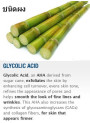
- NaturePreserve™ and Glycolic Acid: NaturePreserve™ Ultra works effectively in a pH range of 3-6, and NaturePreserve™ LB2 works in a pH range of 2.0-6.5. Glycolic Acid formulas are typically acidic, often with a pH below 4.0 for optimal efficacy. Since the effective pH ranges of NaturePreserve™ products overlap with the typical pH range of Glycolic Acid formulas, NaturePreserve™ can likely be used as a preservative in a cream containing Glycolic Acid, provided the final pH of the formula is within the preservative's working range.
Preserving Homemade Tamarind Cream
- Using Phenoxyethanol + Mild Preserved™ in Tamarind Cream: You asked about using a combination like 0.1% Phenoxyethanol + 0.9% Mild Preserved™ COS in your cream made from fresh tamarind, milk, herbal powder, and water, especially since you use your hands to scoop it and don't refrigerate it. As mentioned in the previous staff reply, using fresh, non-sterilized ingredients like these introduces a very high risk of microbial contamination. Standard cosmetic preservatives, even broad-spectrum combinations like Phenoxyethanol and Mild Preserved™ COS, are typically used at concentrations (usually up to 1%) intended to prevent microbial growth in clean formulations, not to kill a high load of microbes already present from fresh ingredients. Therefore, this preservative combination is unlikely to be sufficient to protect your homemade cream from spoilage, especially with hand contact and no refrigeration. It is strongly recommended to use properly processed and preserved ingredients or follow formulations specifically designed for fresh components, which may require much higher, potentially irritating, levels of preservatives or strict storage conditions.
- Dissolving Mild Preserved™ COS: You were unsure how to dissolve Mild Preserved™ COS in your tamarind cream since it doesn't contain the solvents mentioned on the product page. Mild Preserved™ COS is water-soluble. As clarified in the previous staff reply, you can simply add it directly into the water phase of your cream formula during the final step. It will dissolve in the water present in your formulation. The mention of solvents on the product page might be for specific types of formulations without a clear water phase or emulsifier system.
- Phenoxyethanol Spectrum: You heard that Phenoxyethanol only protects against fungi. This is not entirely accurate. Phenoxyethanol is effective against bacteria and also has some efficacy against fungi, although it might be weaker against certain fungal strains compared to bacteria. Combining Phenoxyethanol with a broad-spectrum preservative like Mild Preserved™ COS provides comprehensive protection against bacteria, fungi, and yeast, ensuring broad-spectrum preservation for your formula (in the context of standard cosmetic formulations).
Whitening Efficacy of Ingredients
- Regarding the whitening efficacy of Licorice Extract, Tomato Extract, and Safe-B3™ (Vitamin B3, Niacinamide): Based on the product information and previous staff replies, the Licorice Extract (Licochalcone A 1%, Water-Soluble) sold is indicated for reducing inflammation, irritation, redness, and oiliness, not for skin whitening. Tomato Natural Water Soluble Color is a colorant used to impart color to products, not an active ingredient for skin benefits like whitening. Safe-B3™ (Vitamin B3, Niacinamide) is indicated for reducing hyperpigmentation and improving skin tone, which contributes to a clearer and brighter complexion (whitening effect). Therefore, among these three ingredients, Safe-B3™ is the one that offers benefits related to reducing dark spots and improving skin tone.
Solubility of Extracts in Lotion
- You asked if extracts dissolved in Ethyl Alcohol + Water or Propylene Glycol can be mixed into both the water and oil phases of a lotion. Generally, ingredients extracted using water/alcohol or propylene glycol are designed to be soluble or dispersible in the water phase of a formulation. They are typically not soluble in the oil phase unless they have been specifically modified to be oil-soluble or are explicitly stated as such by the manufacturer. Always refer to the manufacturer's instructions for the specific extract you are using to determine its correct incorporation method and solubility.
Glycerine as Solvent for Mild Preserved™ COS
- You asked if glycerine can be used as a solvent for Mild Preserved™ COS if you don't have other recommended solvents but have glycerine. As mentioned earlier, Mild Preserved™ COS is water-soluble. It does not require a separate solvent like glycerine if your formula contains a water phase. You can simply add it directly to the water phase of your lotion, and it will dissolve. Glycerine is also water-soluble and is often part of the water phase in formulations.
Remember that preserving homemade formulations with fresh ingredients is challenging, and standard cosmetic preservative levels may not be sufficient. Always perform a challenge test to ensure the effectiveness of your preservative system for your specific formula.
Related Products Mentioned
Safe-B3™ (Vitamin B3, Niacinamide)
Cosmetics
Phenoxyethanol (Extra Pure)
Cosmetics

Glycopure™ (Glycolic Acid (AHA) Powder)
Cosmetics

Tomato Natural Water Soluble Color
Cosmetics
NaturePreserve™ LB2
Cosmetics